

Rope course injury support in Edmonton is designed for athletes who push their limits on high ropes, obstacle courses, ninja-style rigs, and team challenge elements and now need focused care to recover from pain and regain performance. At Performance Chiropractor + Physiotherapy, we assess how gripping, climbing, hanging, and landing loads have affected your joints, muscles, and connective tissues, then build a targeted rehab plan to restore strength, control, and confidence. If shoulder pain, elbow strain, or a hard fall is keeping you from training, our evidence-based approach can help you return safely and stronger—book an assessment to get started.
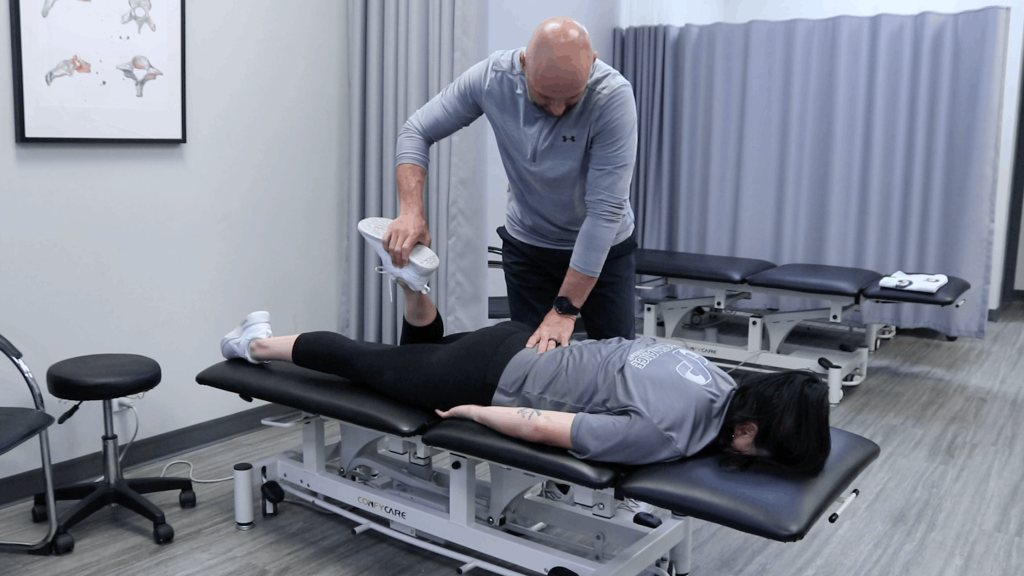
Your care begins with a detailed assessment of injury history, training volume, obstacle demands, and movement quality. We evaluate range of motion, strength, joint stability, grip endurance, and movement patterns such as hanging mechanics and landing control. Treatment may include manual therapy to address joint and soft tissue restrictions, progressive strengthening of the rotator cuff, scapular stabilizers, forearm musculature, and core, as well as proprioceptive and plyometric drills to retrain dynamic control. We apply evidence-informed rehab principles, gradually increasing load and complexity to match the demands of rope climbs, swings, and carries. Education on recovery, taping options, and training modifications is integrated so you understand how to protect healing tissues while maintaining conditioning.
Rope-based obstacles place high, often unpredictable forces on the upper body and core while demanding coordination under fatigue. Understanding the specific mechanisms behind these injuries helps prevent chronic pain and repeated setbacks.
Extended hanging, swinging, and gripping overload the forearm flexor tendons, finger pulleys, and elbow structures. When volume increases faster than tissue capacity, athletes commonly develop medial or lateral elbow pain similar to climber’s elbow. Micro-tearing and tendon irritation occur when recovery is insufficient, especially with thick ropes or dynamic transitions that increase tensile load.
Obstacles that involve swinging between elements or catching a rope at speed create traction forces through the shoulder joint. If the rotator cuff and scapular stabilizers are not controlling the humeral head effectively, this can lead to impingement symptoms, labral irritation, or recurrent feelings of instability. Fatigue further reduces neuromuscular control, increasing injury risk late in an event.
Even with safety systems, slips and missed grips can result in sudden drops or awkward landings. Ankles, knees, and wrists often absorb the force, leading to sprains, bone bruises, or joint capsule irritation. Improper landing mechanics or limited ankle mobility can shift load up the chain, contributing to knee or low back pain.
Maintaining body tension while traversing ropes demands sustained core activation. When trunk endurance is lacking, athletes may compensate by hinging excessively through the lumbar spine or overusing hip flexors. This can produce acute back strain or persistent stiffness that interferes with lifting, running, and daily training.
Working with a qualified chiropractor and physiotherapist means your rehab is guided by tissue healing timelines, load management principles, and objective strength markers. You can expect reduced pain, improved grip and shoulder capacity, better landing mechanics, and a structured progression back to full obstacles. Instead of simply resting and hoping symptoms resolve, you gain a clear plan that rebuilds resilience so you can train hard with lower risk of re-injury.
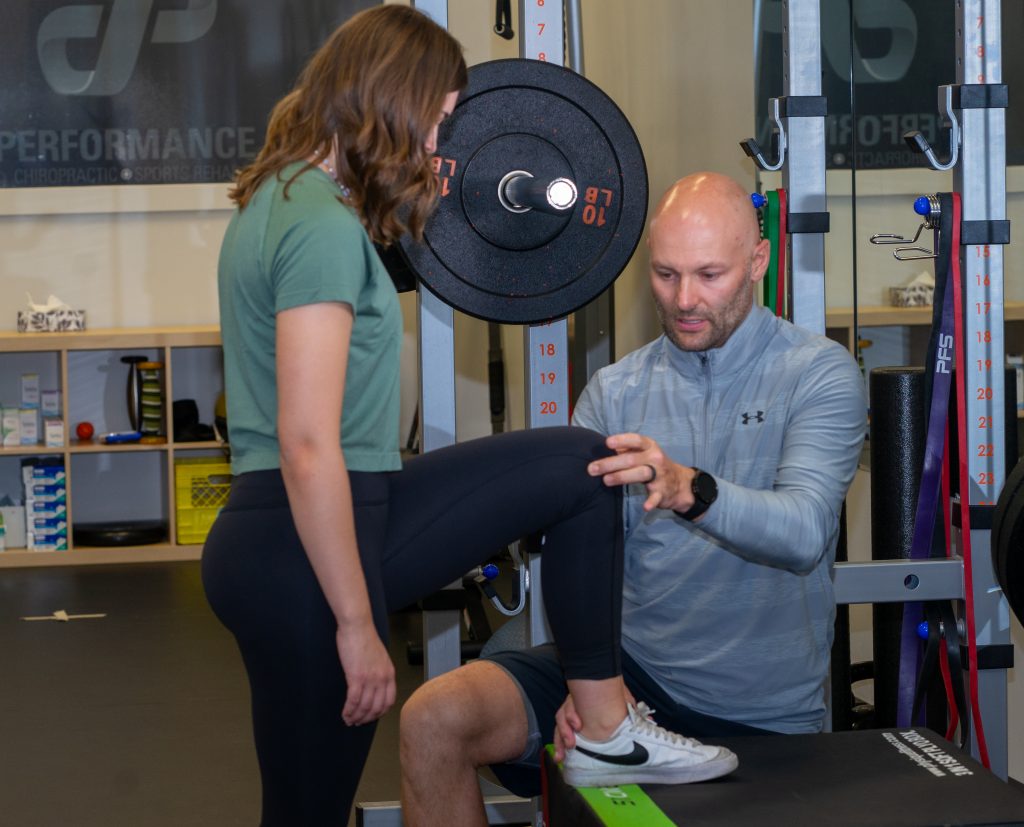
Timelines depend on the severity and tissue involved. Mild tendon irritation may improve within several weeks with proper load management, while ligament sprains or significant shoulder injuries can require a longer, phased rehab. Your provider will outline expected milestones so you know what progress should look like.
Not always. In many cases, we modify rather than eliminate activity. You may temporarily avoid high-load hanging or dynamic catches while maintaining lower-body conditioning or controlled strength work. Strategic modification prevents deconditioning while protecting injured tissues.
Imaging is not required for most soft tissue injuries unless there are red flags such as significant trauma, suspected fracture, or neurological symptoms. A thorough clinical assessment typically guides initial management, and we will refer for imaging if it is clinically indicated.
Athletes often ask about cost, frequency, and what to expect in the first visit. Initial sessions focus on assessment and early pain control, with follow-ups tailored to your sport schedule and goals. The number of visits depends on injury complexity and how consistently you follow the rehab plan. Our role is to provide clear guidance, measurable progress, and hands-on expertise so you can make informed decisions and return to rope course training in Edmonton with strength and confidence.