

Robot combat is explosive, unpredictable and brutally demanding on your body. At Performance Chiropractor + Physiotherapy, our Robot Combat Strain Rehab in Edmonton is designed for athletes who are dealing with pain, joint strain, muscle tears or overuse injuries from building, testing and competing with heavy, high-torque machines. We focus on diagnosing the true source of your pain, restoring strength and stability, and guiding you safely back to training and competition. If you are serious about performance and want a structured, sport-specific recovery plan, our team is ready to help.

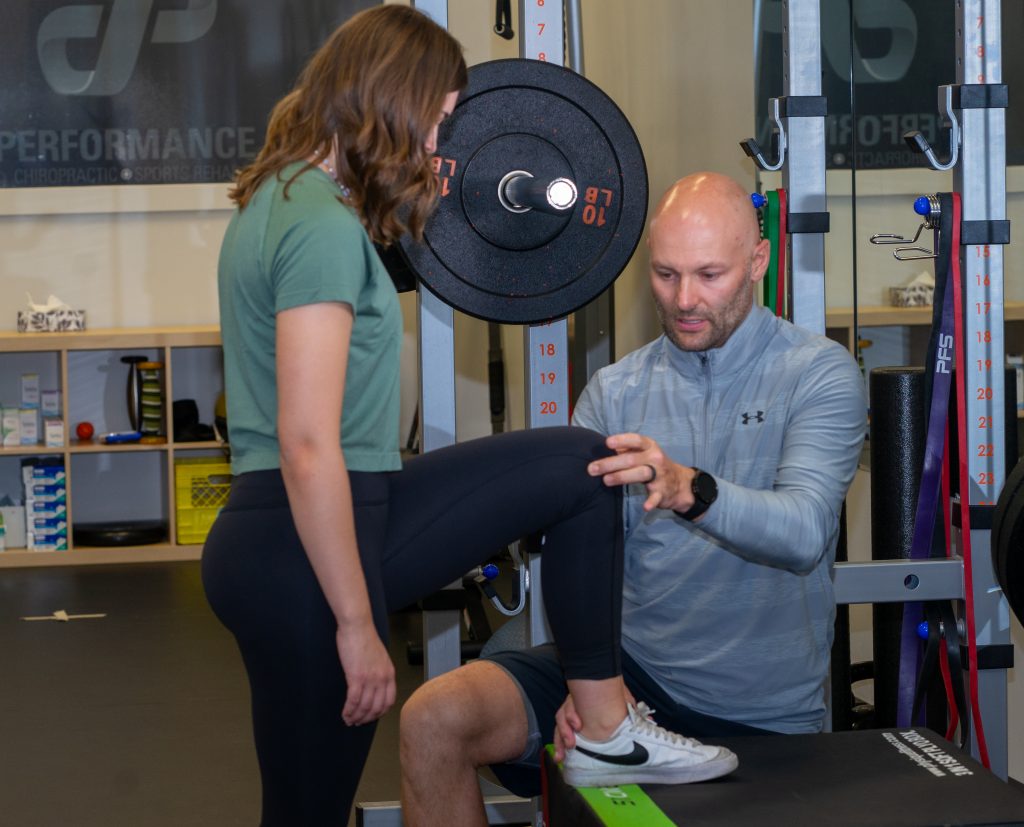
Your care begins with a detailed assessment of movement patterns, strength ratios, joint mobility and neural tension. We examine how you lift, brace and rotate, identifying faulty mechanics that contribute to overload. Treatment may include hands-on therapy to address joint restriction and soft tissue adhesions, evidence-informed modalities to calm acute irritation, and progressive strength training focused on core stability, scapular control and hip power. We use graded exposure principles and sport-specific drills to reintroduce torque, impact and lifting demands in a controlled way. Education is central: you will learn load management, warm-up strategies and recovery protocols aligned with current rehabilitation standards so improvements carry over to real competition settings.
Robot combat places unique mechanical stresses on the body, combining heavy lifting, awkward postures, vibration exposure and high-adrenaline movements. Understanding how these injuries develop is the first step to resolving them properly and preventing recurrence.
Handling 100+ pound robots, batteries and tools repeatedly loads the spine, shoulders and hips under rotational torque. When bracing mechanics are poor or fatigue sets in, the lumbar discs, sacroiliac joints and rotator cuff tendons absorb excessive shear forces. Over time this can lead to disc irritation, facet joint inflammation, tendinopathy or acute muscle strains that do not resolve without targeted rehab.
Testing and competing with high-impact machines exposes your arms and trunk to vibration and sudden recoil forces. These forces travel through the wrists, elbows and shoulders, often aggravating the common extensor and flexor tendons or causing joint irritation. Without proper tissue conditioning and recovery, microtrauma accumulates and turns into persistent pain that limits grip strength and control.
Long hours bent over a workbench or crouched in tight pit spaces create sustained spinal flexion and forward head posture. This contributes to neck pain, thoracic stiffness and nerve irritation into the arms. Static loading reduces blood flow to postural muscles, increasing fatigue and making acute strains more likely during sudden lifts or rapid movements.
Driven athletes often push back into testing before tissues have regained tensile strength and neuromuscular control. Collagen remodelling in tendons and ligaments takes weeks, and without progressive loading the risk of re-injury is high. Incomplete rehab commonly leads to recurring flare-ups that disrupt entire competition seasons.
Working with a qualified provider means your plan is built around the actual biomechanics of your sport. You can expect reduced pain through manual therapy and graded loading, improved joint mobility where restrictions limit movement, and increased strength in stabilizing muscle groups that protect the spine and shoulders under torque. Athletes typically notice better lifting mechanics, stronger bracing under load, improved grip endurance and greater confidence when handling their machines. The goal is not just symptom relief but measurable resilience so your body can tolerate the demands of building, testing and competing at a high level.
Timelines depend on tissue type and severity. Mild muscle strains may improve within a few weeks with consistent rehab, while tendon or disc-related issues can require several months of progressive loading. We provide realistic timelines based on your assessment and adjust as your body adapts.
In most cases, yes with modification. Rather than full rest, we adjust volume, intensity and movement patterns to protect healing tissues while maintaining conditioning. This approach supports circulation and strength without overloading vulnerable structures.
Imaging is not always necessary. Many musculoskeletal injuries can be diagnosed clinically through history and physical examination. If red flags or non-responsive symptoms appear, we coordinate appropriate referrals for imaging in Edmonton.
Most athletes attend one to two sessions per week initially, combined with a structured home program. Costs vary depending on session length and treatment complexity, and we outline this clearly before starting. Wear comfortable clothing, bring details about your training and competition schedule, and be prepared to take an active role in your recovery. With a focused plan and consistent effort, you can return to robot combat stronger, more stable and better prepared for the demands ahead.