

For competitive and recreational masters athletes in Edmonton, pain should not mean the end of training. This service is designed for athletes over 35 who want evidence-based care for persistent aches, acute injuries, and performance setbacks. We focus on understanding how age-related tissue changes, training load, and recovery capacity interact, then build a targeted plan that reduces pain, restores strength and mobility, and gets you back to confident competition. If you are serious about your sport and want a structured path back to peak form, our team is ready to help you move forward.
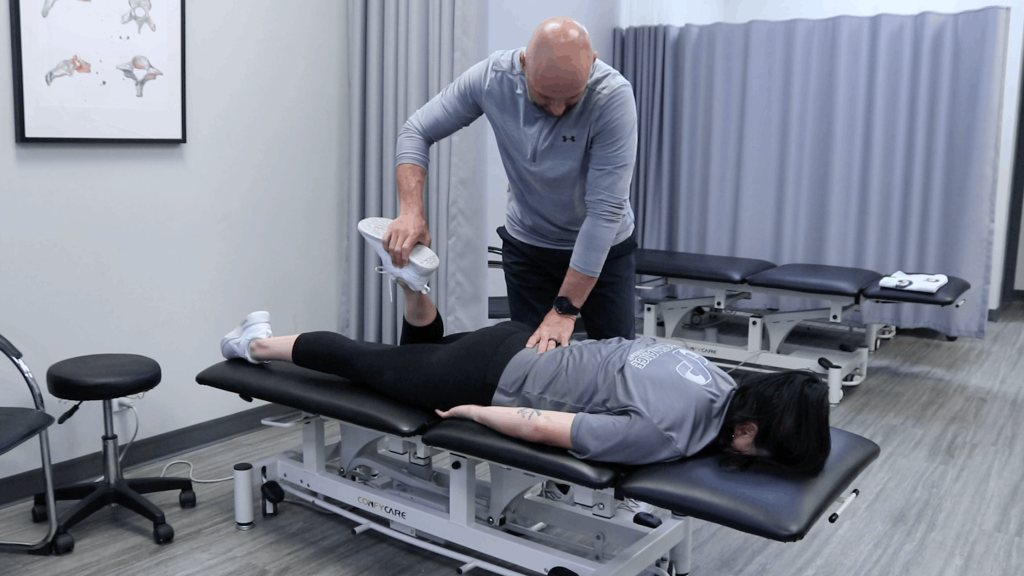
Your care begins with a detailed assessment of injury history, training load, biomechanics, and sport demands. We examine joint mobility, strength asymmetries, balance, and movement patterns using functional testing relevant to running, lifting, or court and field sports. Treatment may include manual therapy to address joint restrictions, soft tissue techniques to improve tissue tolerance, and evidence-informed modalities when appropriate. The core of recovery is an individualized exercise program emphasizing progressive resistance training, tendon loading protocols, neuromuscular control, and energy system conditioning. We collaborate with you to adjust training volume and intensity using load management principles so tissues adapt safely. Regular reassessment guides progression toward sport-specific drills and eventual full return to competition.
As athletes age, the biological and mechanical environment of their tissues changes. Collagen turnover slows, tendon stiffness can increase, and recovery from high-intensity sessions takes longer. At the same time, many masters athletes maintain ambitious training volumes while balancing work and family stress. In Edmonton’s climate, seasonal shifts to indoor training surfaces or icy outdoor conditions also alter load patterns. These combined factors create a higher risk of overuse injuries, flare-ups of old injuries, and slower healing if problems are not managed strategically.
Over decades of sport, joints and soft tissues accumulate microtrauma. While the body adapts, repeated high-load movements such as sprinting, jumping, or heavy lifting can exceed tissue capacity if progression is not carefully managed. In masters athletes, tendinopathies of the Achilles, patellar, or rotator cuff are common because tendons respond more slowly to sudden spikes in volume or intensity. Without structured load management and progressive strengthening, these conditions can become chronic and limit performance.
Age-related hormonal and metabolic changes influence how quickly muscle and connective tissue repair after hard sessions. Sleep disruption, occupational stress, and travel for competitions further compromise recovery. When rest intervals are insufficient, minor strains can evolve into significant muscle tears or persistent joint irritation. Understanding this mechanism is essential to building a recovery plan that balances stimulus and rest rather than simply pushing through pain.
Cartilage wear and early osteoarthritic changes are more common in masters competitors, especially in weight-bearing joints like hips and knees. Stiff thoracic spines or restricted ankle mobility can shift forces to vulnerable areas, increasing strain on the lower back or knees. Addressing joint mechanics through targeted mobility work, manual therapy, and strength training reduces abnormal loading patterns that drive pain and inflammation.
Many experienced athletes carry residual weakness or altered movement patterns from past injuries. An ankle sprain from years ago can reduce proprioception and stability, predisposing the knee or hip to overload. Without reassessing and correcting these deficits, new injuries often appear in related regions. A comprehensive approach identifies these weak links and integrates corrective exercises into sport-specific training.
Working with a qualified chiropractor and physiotherapy team provides more than symptom relief. You gain a structured plan that restores joint range of motion, rebuilds tendon and muscle capacity through progressive loading, and refines movement mechanics specific to your sport. Athletes often experience reduced flare-ups, improved power output, and greater confidence returning to competition because underlying capacity has been rebuilt, not just masked. Clear benchmarks and reassessments ensure that return-to-play decisions are based on objective function rather than guesswork.
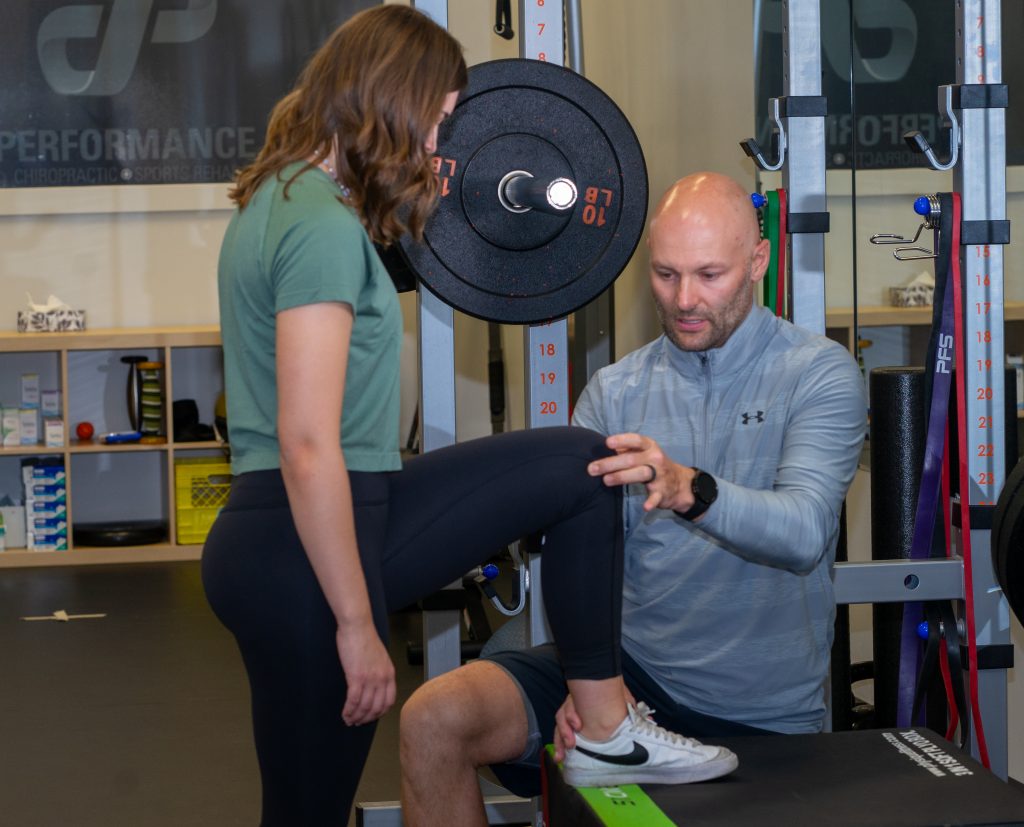
Timelines depend on the tissue involved, severity, and how long the issue has been present. Mild muscle strains may improve within a few weeks, while chronic tendinopathy or post-surgical rehabilitation can require several months of structured loading. Age alone does not determine recovery speed; consistent adherence to a progressive program and appropriate load management are more influential factors.
In most cases, yes, but training is modified rather than stopped completely. We identify aggravating movements and adjust intensity, frequency, or volume to maintain fitness without exceeding tissue capacity. This approach preserves conditioning and supports psychological well-being while protecting the injured area.
Costs are influenced by the complexity of the injury, the number of sessions required, and whether combined chiropractic and physiotherapy interventions are recommended. We outline a clear plan after assessment so you understand expected visit frequency and duration. Investing in comprehensive rehabilitation often reduces the risk of recurrent injuries and additional time away from sport.
If you are a dedicated athlete over 35 dealing with persistent pain, a recent injury, or repeated setbacks, this focused approach is designed for you. It is particularly valuable when self-directed rehab has stalled or when you want objective guidance for safe return to competition. Our team in Edmonton combines clinical expertise with an understanding of competitive sport so you can train and compete with confidence again.