

Professional chiropractic visits can help with pain relief, easier movement, posture support, and everyday body function. Performance Chiropractic provides focused assessment, hands-on care, and practical guidance for people who want to move with more confidence. Start with a visit when you are ready.
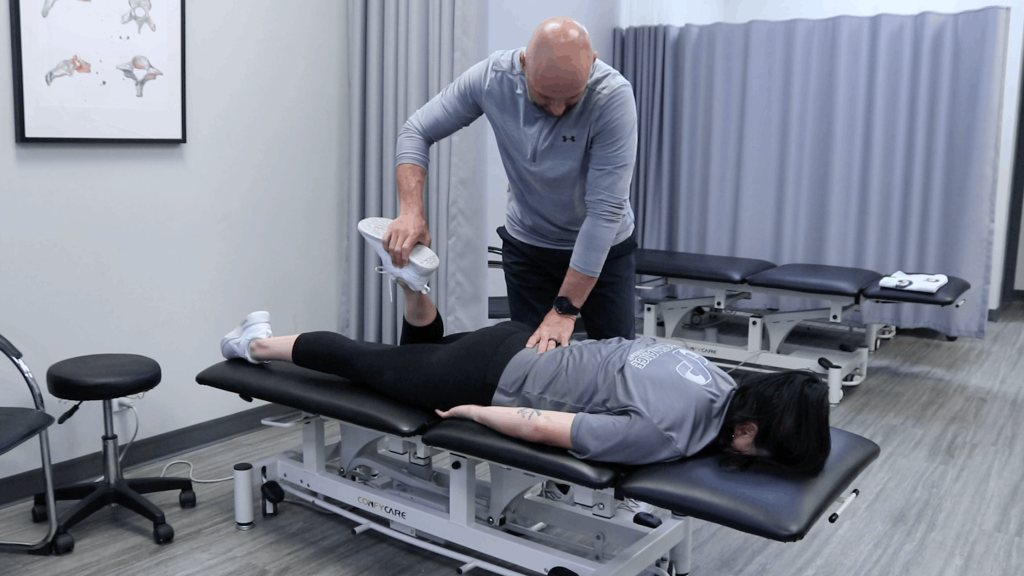
Your first visit typically includes a health history, movement assessment, posture review, and discussion of goals. Treatment may use manual adjustments, instrument-assisted techniques, soft-tissue therapy, assisted stretching, exercise bands, mobility tools, and supportive education.
Care is delivered with informed consent, appropriate pressure, accurate positioning, and clear feedback. Follow-up visits refine the plan based on response, comfort, and the activities that matter most to you.
This service combines joint assessment, spinal and extremity adjustments, soft-tissue work, movement advice, and wellness education. Care is tailored to daily routines, work demands, activity levels, and personal goals, with clear explanations at each stage.
Many people book chiropractic visits when they want help with back, neck, shoulder, hip, or general joint discomfort. Treatment is planned around how you sit, stand, lift, walk, drive, train, and recover.
Office work, laptop use, long commutes, and repetitive tasks can affect how the spine and shoulders move. Chiropractic care may include adjustments, mobility drills, workstation tips, and stretching routines that fit real schedules.
People who train, run, cycle, lift, or play recreational sports often want better mobility and smoother movement patterns. Care may focus on spinal motion, extremity joints, muscle tension, warm-up habits, and recovery planning.
Care plans are built around the person, not a fixed template. Your visit may include hands-on treatment, home exercises, posture coaching, and progress checks that support comfort, mobility, and daily performance.
Working with a qualified provider gives each visit structure and purpose. Assessment findings guide treatment choices, while clear goals help track changes in movement, comfort, posture, and function.
Quality execution matters because adjustment technique, patient positioning, communication, and follow-through all affect the experience. The finished result is care that feels organised, measured, and useful beyond the appointment.
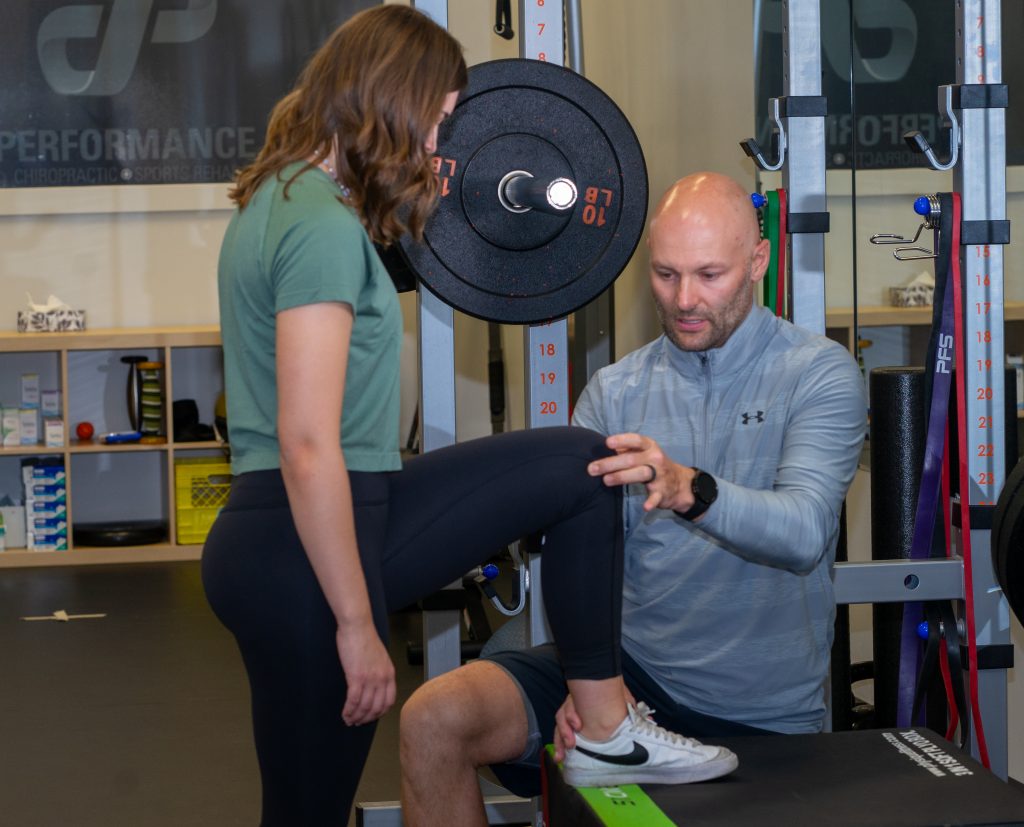
The first visit is usually focused on understanding your goals, movement habits, and areas of concern. Your provider explains findings, discusses suitable care options, and begins treatment when appropriate and agreed upon.
Timelines depend on your goals, activity level, current mobility, and how your body responds. Some people choose short-term relief-focused visits, while others prefer ongoing wellness support and movement maintenance.
Wear comfortable clothing that allows easy movement, such as athletic wear or relaxed everyday clothes. Your provider may ask you to move, bend, rotate, or perform simple mobility checks during assessment.
Before booking, consider your main goals, daily movement demands, and any activities you want to improve. Bring relevant health details, ask questions, and expect a practical care plan that explains treatment, home guidance, visit frequency, and expected next steps.