

Kinesio Taping
Performance Chiropractic + Physiotherapy provides kinesio taping near you in Edmonton, AB, to support muscles and joints without unnecessarily restricting movement. This flexible therapeutic tape can be used as part of rehabilitation, sports care, or injury management to help reduce discomfort and swelling while supporting more comfortable movement. Our expert team applies the tape based on your symptoms, activity level, and treatment goals.
- Home
- Our Services
- Kinesio Taping
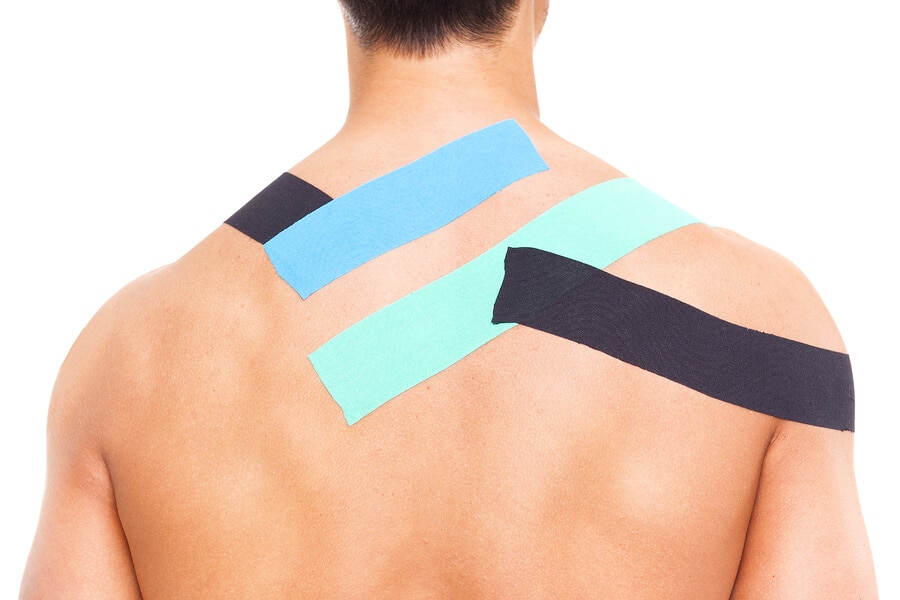
What Is Kinesio Taping?
Kinesio taping is a treatment technique that involves applying flexible therapeutic tape to specific areas of the body.
Unlike rigid athletic tape, kinesio tape is designed to provide support while still allowing the muscles and joints to move naturally.
The tape can be applied in different patterns depending on the affected area and the purpose of treatment.
It’s often used to support rehabilitation, physical activity, and recovery from overuse injuries.
What Does Kinesio Taping Treat?
Kinesio taping can support areas affected by pain, swelling, muscle weakness, overuse, or movement-related strain, including:
- Plantar fasciitis and heel pain
- Shoulder and knee discomfort
- Muscle strains and overuse injuries
- Joint swelling
- Postural concerns
- Sports-related injuries
- Headaches related to muscle tension
- Weak or fatigued muscles
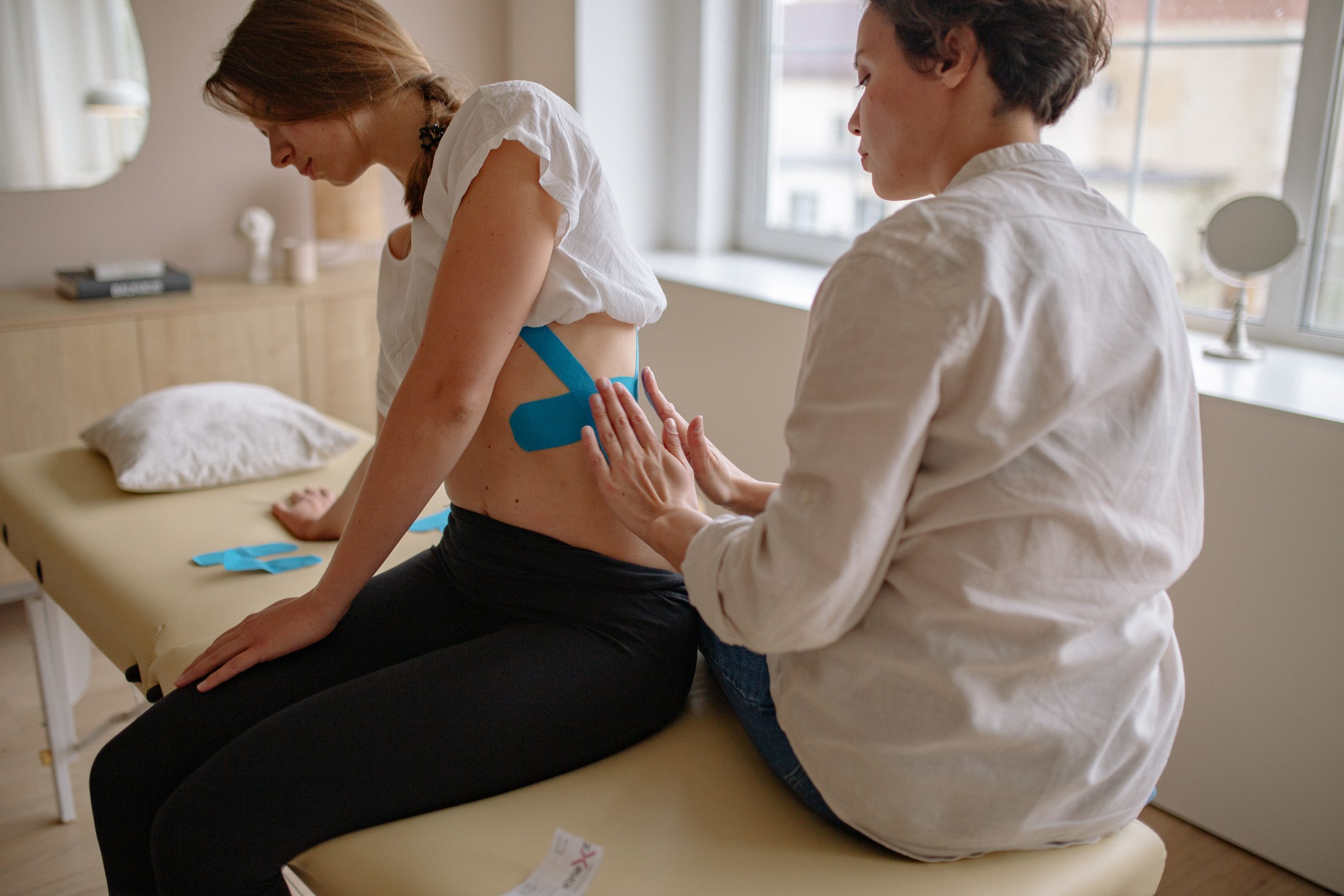
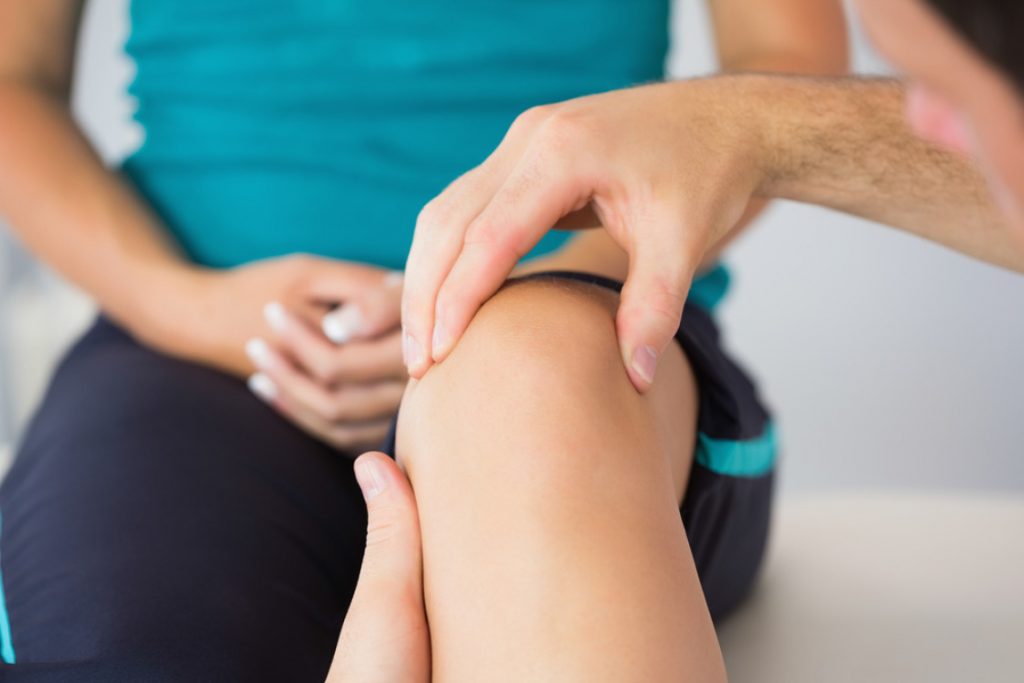
Benefits of Kinesio Taping
Kinesio taping can provide additional support to muscles and joints while allowing you to continue moving naturally.
It can also help manage discomfort and swelling, relax overworked tissues, and support muscles that aren’t functioning as effectively as they should.
Because kinesio tape can remain in place between appointments, it can continue supporting the treated area during work, exercise, sports, and everyday activities.
Our expert team can combine kinesio taping with physiotherapy, chiropractic care, massage therapy, Active Release Technique, or rehabilitation exercises when appropriate.
What Does a Kinesio Taping Treatment Plan Include?
- A review of your symptoms and health history
- Assessment of the painful or affected area
- Movement and range-of-motion testing
- Identification of muscles or joints needing support
- Skin preparation before application
- Kinesio tape placement based on your condition
- Tape tension adjusted to the treatment goal
- Instructions for caring for the tape
- Guidance for exercise and daily activities
- Monitoring for skin sensitivity
- Rehabilitation exercises when appropriate
- Coordination with other clinic services
- Reapplication when needed
- Ongoing reassessment of your symptoms

Frequently Asked Questions
Your practitioner will assess your symptoms, movement, and the area requiring support. The skin will be prepared before kinesio tape is applied in a pattern selected for your condition, activity, and treatment goals.
Kinesio tape provides flexible support to muscles and joints without fully limiting movement. Depending on how it’s applied, it can support weak muscles, relax overworked tissues, and help manage discomfort or swelling.
The application shouldn’t be painful. You can feel gentle tension from the tape on your skin, but you should tell your practitioner if it feels too tight, irritating, or uncomfortable.
Kinesio tape can often be worn for several days, depending on the treatment area, your skin, and your daily activities. Your practitioner will explain how long to leave it in place and when it should be removed.
You can usually shower while wearing kinesio tape, but avoid scrubbing the tape or exposing it to prolonged soaking. Gently pat the area dry instead of rubbing it with a towel.
Some people can experience redness, itching, or skin irritation from the adhesive. Remove the tape and contact the clinic if irritation develops or the area becomes increasingly uncomfortable.
Coverage depends on the healthcare service and practitioner providing the treatment. Confirm whether kinesio taping is included as part of your chiropractic, physiotherapy, or massage therapy benefits before booking.
You generally don’t need a physician’s referral to book a treatment that includes kinesio taping. However, your insurance provider can require a referral before reimbursing the appointment, so review your plan details.
Kinesio taping can provide flexible support during recovery from muscle strains, overuse injuries, and other sports-related concerns. It can be used alongside rehabilitation exercises to support movement during training and physical activity.
Kinesio taping can be used alongside physiotherapy exercises, manual therapy, and other rehabilitation techniques. The tape can continue supporting the affected area between appointments while you follow your recommended recovery plan.
Is Pain or Weakness Affecting How You Move?
Kinesio taping can provide flexible support, reduce strain, and help you move more comfortably during rehabilitation, sports, and daily activities. Book an appointment with our expert team in Edmonton to learn whether kinesio taping is right for you.