

Osteopathy
Performance Chiropractic + Physiotherapy provides osteopathy near you in Edmonton, AB, for people experiencing pain, stiffness, restricted mobility, or recurring movement concerns. Our osteopathy treatments use a hands-on approach that considers how different muscles, joints, and areas of the body work together. Each session is shaped around your symptoms, physical needs, and treatment goals.
- Home
- Our Services
- Osteopathy
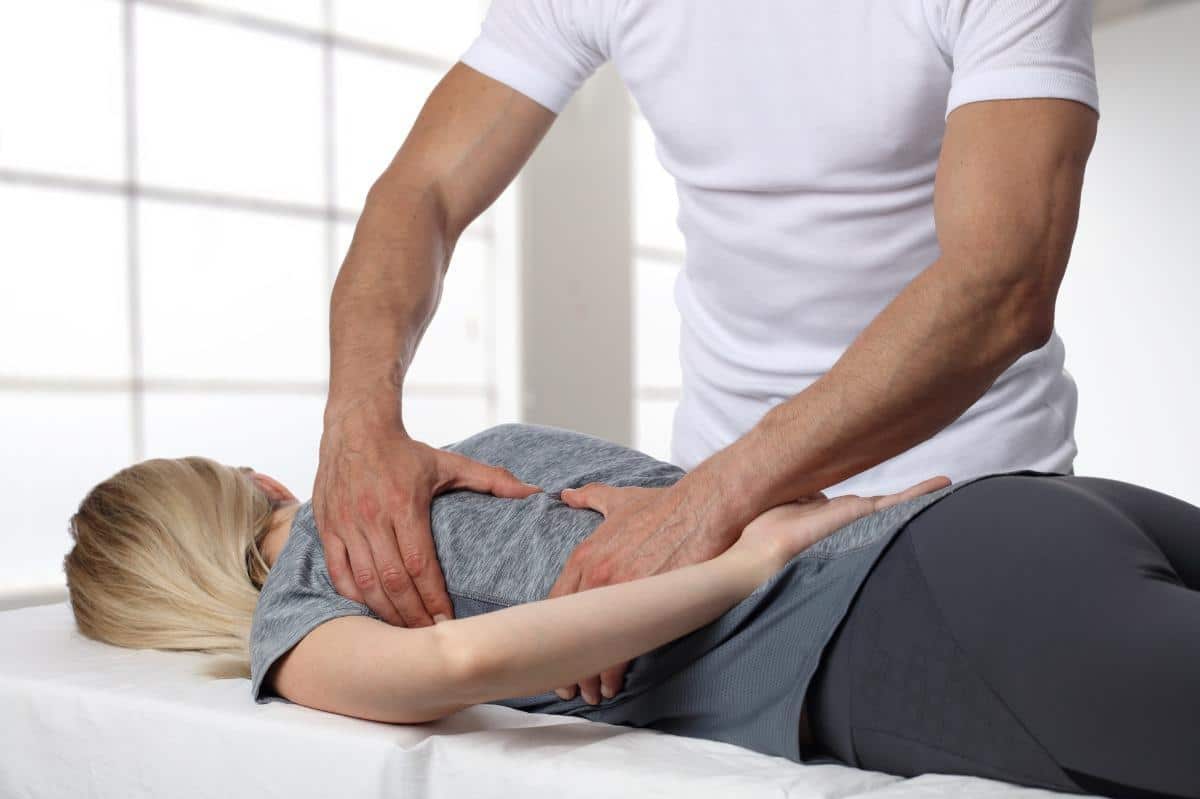
What Is Osteopathy?
Osteopathy is a form of manual therapy that uses hands-on assessment and treatment techniques to address restrictions involving the muscles, joints, connective tissues, and overall movement of the body.
Rather than focusing only on the area where pain is felt, treatment can consider how posture, mobility, and tension in surrounding areas contribute to your symptoms.
An osteopathic manual practitioner can use gentle stretching, soft-tissue techniques, joint mobilization, and other forms of manual treatment based on your assessment and comfort level.
What Does Osteopathy Treat?
Osteopathy can be used to address musculoskeletal pain, stiffness, and movement restrictions affecting different areas of the body, including:
- Back and neck pain
- Shoulder and hip discomfort
- Joint stiffness and reduced mobility
- Muscle tension and repetitive strain
- Postural concerns
- Headaches related to muscle tension
- Sports and activity-related injuries
- General movement imbalances
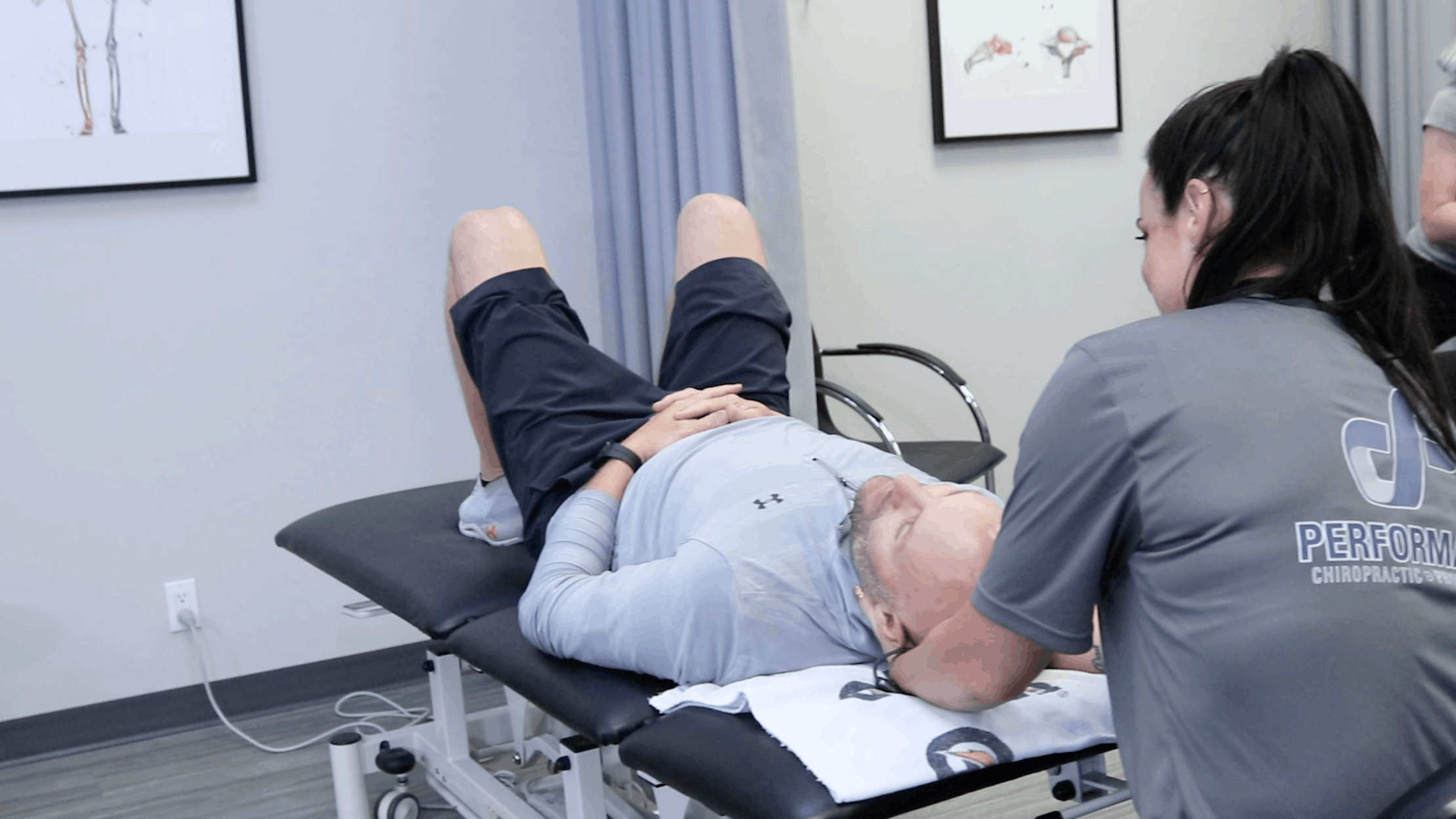
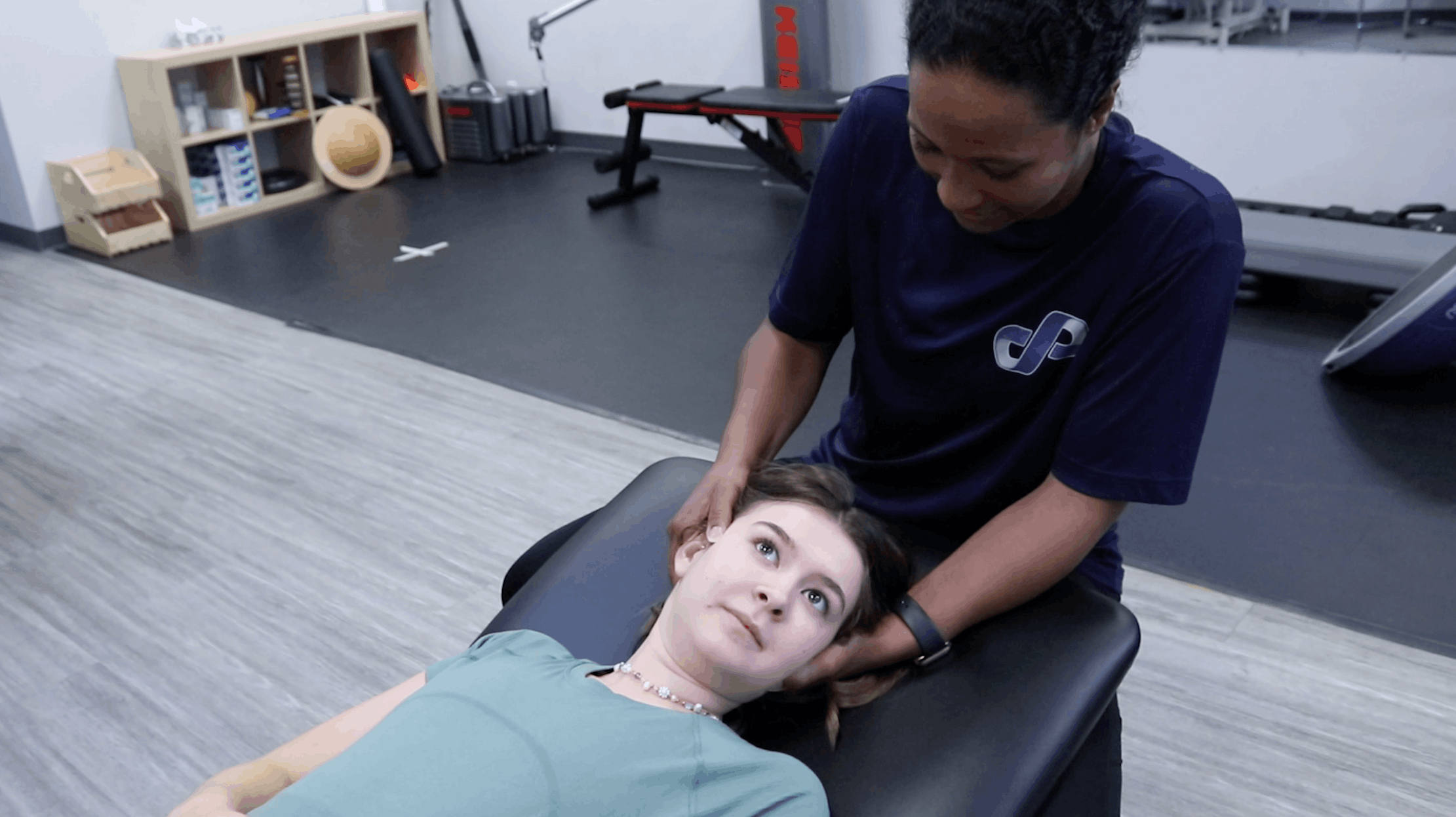
Benefits of Osteopathy
Osteopathy can help reduce muscle and joint tension, improve mobility, and make everyday movements feel more comfortable.
By assessing how different areas of the body move together, treatment can address contributing restrictions rather than focusing only on the location of your discomfort.
Our expert team can coordinate osteopathy with physiotherapy, chiropractic care, massage therapy, or rehabilitation exercises when a combined approach suits your needs.
Your care plan can support pain management, physical recovery, improved movement, and a more comfortable return to regular activities.
What Does an Osteopathy Treatment Plan Include?
- A review of your symptoms and health history
- Discussion of previous injuries and activities
- Posture and movement assessment
- Joint and muscle mobility testing
- Hands-on assessment of restricted areas
- Gentle joint mobilization
- Soft-tissue techniques
- Stretching and muscle release techniques
- Treatment adjusted to your comfort level
- Mobility or postural recommendations
- Home exercises when appropriate
- Coordination with other clinic services
- Progress assessments
- A personalized treatment schedule

Frequently Asked Questions
Your osteopathic manual practitioner will ask about your symptoms, health history, previous injuries, daily activities, and treatment goals. They’ll assess your posture, movement, and areas of tension before using hands-on techniques suited to your needs and comfort.
Both services use hands-on techniques, but they can differ in their assessment methods and treatment approach. Osteopathy generally considers relationships between multiple areas of the body, while chiropractic care often places greater emphasis on the joints, spine, and nervous system.
Osteopathy and massage therapy can both address muscles and soft tissues, but they aren’t the same treatment. Massage therapy commonly focuses on muscle tension and soft-tissue discomfort, while osteopathy can also include joint mobility, posture, and broader movement patterns.
Osteopathy commonly uses gentle techniques, although working on a sensitive or restricted area can cause temporary discomfort. Your practitioner can adjust the pressure, position, and treatment method according to your comfort throughout the appointment.
The number of appointments depends on your symptoms, how long they’ve been present, and how you respond to treatment. Our expert team will recommend a treatment schedule after completing an assessment and will adjust it as your mobility and symptoms change.
Some people notice changes in tension or movement within the first few appointments, while long-standing or complex concerns can require more time. Your response can depend on the cause of your symptoms, your daily activities, and whether you follow recommended exercises or movement advice.
Some extended health insurance plans include coverage for manual osteopathy, but eligibility and reimbursement requirements vary between providers. Confirm that your plan covers the practitioner’s designation and ask whether a referral or specific receipt information is required.
You generally don’t need a physician’s referral to book an osteopathy appointment. However, an insurance provider can require a referral before reimbursing treatment, so review your policy before booking.
Confirm your insurance coverage, referral requirements, and whether your insurer recognizes the practitioner’s professional association. You should also tell our expert team about recent surgeries, fractures, pregnancy, medical conditions, or new and unexplained symptoms.
Osteopathy can help address back and neck discomfort related to muscle tension, joint stiffness, posture, repetitive strain, or restricted movement. Treatment will be based on an assessment of the painful area and other parts of the body that can be contributing to the concern.
Are Pain and Stiffness Limiting Your Movement?
Osteopathy can help relieve tension, restore mobility, and address movement restrictions that make work, exercise, or daily life uncomfortable. Book an appointment with our expert team in Edmonton to receive hands-on care tailored to your body and goals.