

Living with joint pain can make everyday tasks feel overwhelming, from walking to work to sleeping through the night. This service is designed for people in Edmonton who need practical, evidence‑based help to reduce arthritis pain, protect their joints, and move with more confidence. Through hands‑on care, guided exercise, and education tailored to your condition, the focus is on improving comfort and function while supporting long‑term joint health, with a clear plan you can start today.

Care typically begins with a detailed assessment of joint mobility, muscle strength, posture, and functional tasks. Treatment may include manual therapy to improve joint and soft tissue movement, individualized exercise programs to strengthen supporting muscles, and education on pacing and joint protection. Techniques are selected based on current clinical guidelines and adjusted as symptoms change.
Arthritis affects joints through a mix of cartilage wear, inflammation, and changes in how surrounding muscles and nerves behave. Over time, stiffness, swelling, and pain can reduce normal movement patterns, leading to weakness and further joint stress. Without targeted intervention, these changes can gradually limit independence and quality of life.
In conditions such as osteoarthritis, cartilage thins and loses its shock‑absorbing capacity, while inflammatory arthritis involves immune‑driven swelling that damages joint structures. Both processes alter joint mechanics, increasing friction and sensitivity during movement. This is why pain often worsens with activity or after periods of rest.
When joints hurt, people naturally move less or adopt protective patterns. Over time, this leads to weakened muscles and poor coordination around the affected joint. These compensations can increase load on already irritated tissues, creating a cycle where pain and dysfunction reinforce each other.
Persistent stiffness and pain can affect balance, walking speed, and reaction time. This raises the risk of falls and makes daily activities such as climbing stairs or getting out of a chair more challenging. Early, structured care helps address these risks before they become more serious.
Chronic joint pain does not only affect the body. Difficulty participating in work, hobbies, or social activities can contribute to frustration, low mood, and fear of movement. Addressing both physical and functional limitations is essential for meaningful improvement.
Working with a qualified provider can lead to measurable improvements in pain levels, joint range of motion, and strength. The goal is not just short‑term relief, but better tolerance for daily activities such as walking, lifting, or standing. Over time, many people notice improved confidence in movement and fewer flare‑ups.
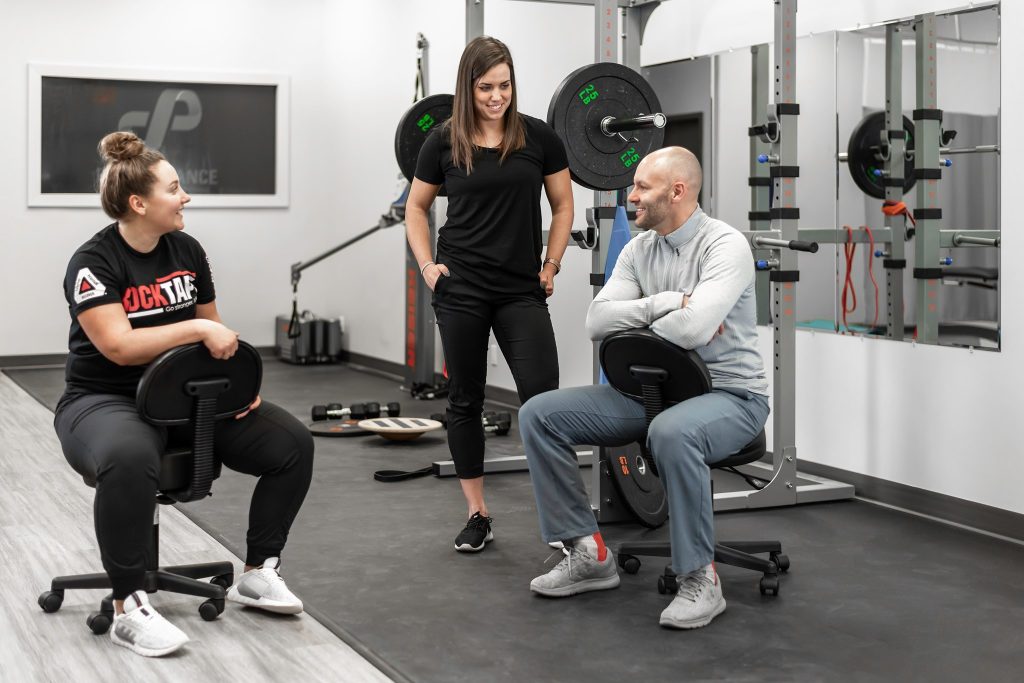
Timelines vary depending on the type and severity of arthritis, as well as consistency with recommended exercises. Some people notice changes in pain or stiffness within a few sessions, while others require several weeks of progressive care to achieve stable improvements.
Yes, care can be adapted during periods of increased pain or swelling. Treatment focuses on gentle movement, symptom management, and maintaining function without aggravating the joint. Activity is adjusted rather than stopped altogether.
In most cases, treatment can begin based on clinical assessment alone. Imaging such as X‑rays or MRI may be reviewed if already available or recommended if symptoms suggest another underlying issue, but they are not always required.
People often ask about cost, session frequency, and whether this approach can work alongside medical care. Treatment plans are typically structured around short, focused sessions with clear goals, and they can complement medications or other therapies recommended by your physician. If you are dealing with ongoing joint pain and want a practical, supportive path forward, discussing your situation with a professional can help clarify whether this service fits your needs.