

This service is designed for people in Edmonton dealing with persistent hip or groin pain, stiffness, or catching caused by structural hip joint irritation. It focuses on reducing pain, restoring movement, and helping you return to daily activities, work, or sport without constantly worrying about your hip. Care is delivered through evidence-informed physiotherapy aimed at addressing both symptoms and the mechanical contributors, with guidance tailored to your comfort level and goals, and support to help you take the next step toward relief.

The process begins with a detailed assessment of your symptoms, hip range of motion, strength, gait, and functional tasks that provoke pain. Treatment commonly includes targeted exercise to improve muscle balance and joint control, manual therapy to address stiffness or soft tissue sensitivity, and education on posture, activity modification, and pacing. When appropriate, clinicians may reference imaging reports, but care is guided by your presentation and response. Progress is adjusted over time using measurable changes in pain, movement quality, and function, aligning with accepted physiotherapy standards.
Femoroacetabular impingement is not just a sore hip; it is a mechanical problem where the shape of the hip joint leads to repeated contact during movement. Over time, this can irritate cartilage, the labrum, and surrounding tissues. Without targeted management, pain often persists or worsens, especially during sitting, walking, squatting, or athletic activity.
FAI typically involves cam, pincer, or mixed morphology, where the femoral head or acetabulum does not move smoothly. This altered structure changes joint loading during hip flexion and rotation, increasing friction and stress. Physiotherapy addresses how these mechanics affect movement patterns rather than trying to “fix” bone shape.
Jobs or sports that require frequent hip flexion, pivoting, or prolonged sitting can aggravate impingement. Over time, muscles may tighten or weaken in response to pain, further reducing joint control. Addressing strength, flexibility, and load management is critical to reduce ongoing irritation.
Many people adapt by avoiding painful movements, which can lead to deconditioning and stiffness. This often spreads discomfort to the low back or knee. Early, structured care helps prevent these secondary problems and supports safer movement rather than complete rest.
Untreated mechanical stress can contribute to labral tears and early cartilage wear. While not everyone with FAI develops arthritis, managing forces through the hip can reduce unnecessary joint stress and help preserve function over time.
Working with a qualified physiotherapist focuses on easing pain, improving hip mobility where appropriate, and strengthening muscles that support the joint. Outcomes often include better tolerance for sitting and walking, improved ability to exercise or work, and clearer guidance on which movements are safe. Just as importantly, you gain understanding and control over your condition rather than relying on trial and error.
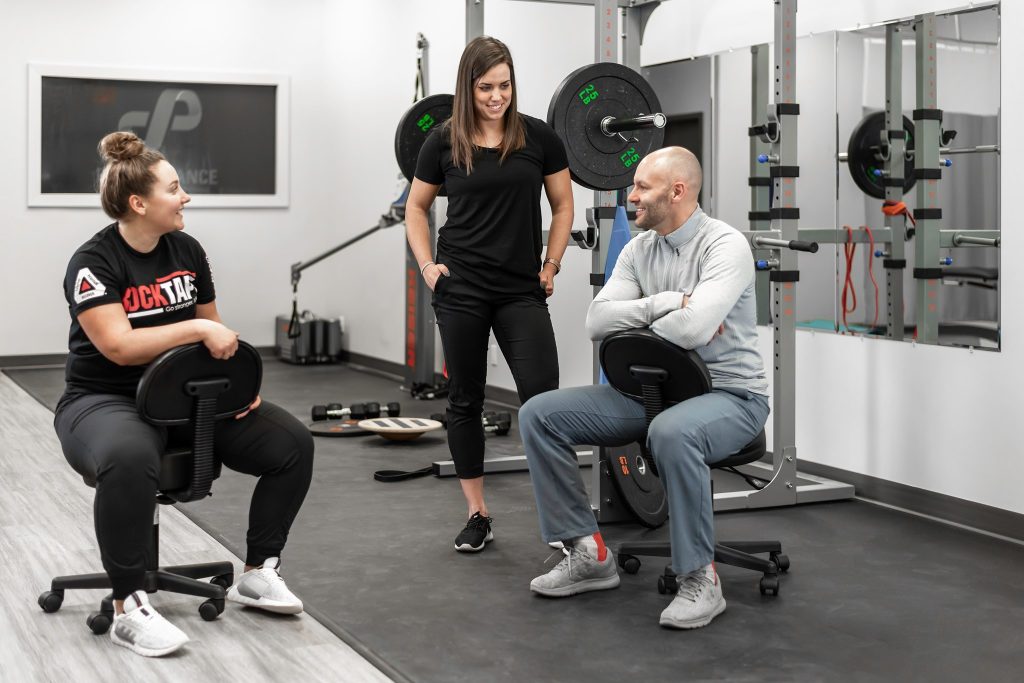
Timelines vary depending on symptom duration, activity demands, and tissue sensitivity. Some people notice reduced pain or improved movement within a few weeks, while others with long-standing symptoms may need a more gradual progression over several months. Consistency and appropriate loading are key factors.
Many people benefit from conservative care without immediate imaging or surgical consultation. If imaging already exists, it can help inform treatment, but decisions are based on how your hip functions, not just what a scan shows. Referral for further investigation is considered if progress is limited.
Physiotherapy is often used to manage symptoms and improve function, and in some cases can delay or remove the need for surgery. Even if surgery is eventually chosen, improving strength and movement beforehand can support better outcomes.
People often ask about cost, frequency, and what sessions involve. Visits are typically scheduled weekly or biweekly at first, then spaced out as you improve. Costs depend on session length and plan of care, and many extended health plans provide coverage. You should expect active participation through exercises and education, with treatment adjusted based on how your hip responds, so you feel informed and supported throughout care.