

Recovering from a partial hip replacement can be painful, confusing, and slower than expected without the right guidance; this service is designed for people in Edmonton who want structured, evidence‑based physiotherapy to reduce pain, restore walking confidence, and safely return to daily activities, with care tailored to how partial hip implants heal and move, and support that helps you progress with clarity and reassurance.

Care begins with a detailed assessment of pain levels, mobility, gait, strength, and surgical precautions, followed by a phased treatment plan that typically includes manual therapy for soft tissue and joint mobility, progressive therapeutic exercise, gait retraining, and education aligned with orthopedic surgical guidelines and current rehabilitation standards, with regular reassessment to ensure progress is appropriate and safe.
Although a partial hip replacement preserves more of the joint than a total replacement, the surrounding muscles, capsule, and nervous system still undergo significant trauma, and without focused rehabilitation, pain, stiffness, and compensatory movement patterns can persist and interfere with long‑term outcomes.
The surgical approach used in partial hip procedures affects muscles such as the gluteals and hip flexors, leading to inflammation, protective muscle guarding, and joint stiffness that can make standing, walking, and sleeping uncomfortable if not addressed with controlled movement and progressive loading.
After surgery, many people unconsciously offload the operated side, which can weaken key stabilizers and overload the low back, opposite hip, or knees, increasing pain elsewhere and slowing overall recovery.
Doing too little can allow weakness and stiffness to persist, while doing too much too soon can irritate healing tissues; physiotherapy helps find the appropriate balance based on tissue healing timelines and your specific presentation.
Uncertainty about which movements are safe often leads to fear‑based avoidance, yet overly cautious movement can limit recovery, making education and reassurance a critical part of rehabilitation.
Working with a qualified physiotherapist helps reduce post‑operative pain, improve hip range of motion, rebuild strength in the muscles that protect the joint, and retrain balance and walking so daily tasks like stairs, getting in and out of chairs, and longer walks feel safer and easier.
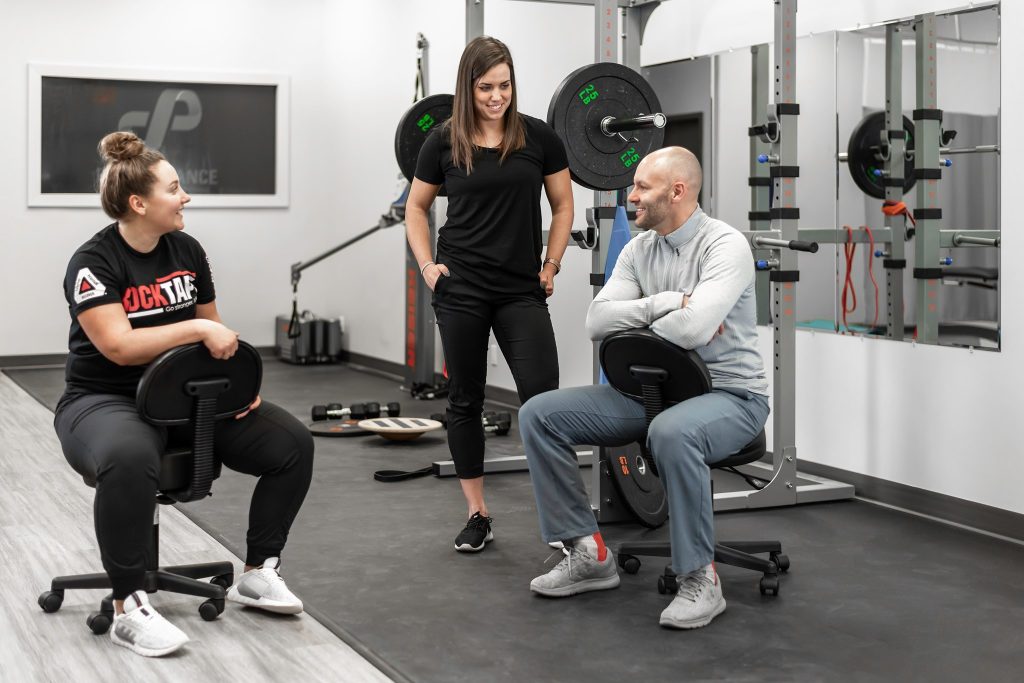
Physiotherapy often begins within the first few weeks after surgery, depending on your surgeon’s recommendations, with early sessions focused on pain control, gentle mobility, and safe movement patterns before progressing to strength and endurance.
Some discomfort can occur as tissues are challenged, but treatment is designed to be tolerable and controlled, aiming to reduce overall pain over time rather than provoke flare‑ups.
In Alberta, you can typically access physiotherapy without a physician referral, although some extended health plans may require one for reimbursement.
Many people wonder about timelines, costs, and whether therapy is truly necessary; while recovery speed varies, most notice meaningful improvements within weeks of consistent care, pricing generally reflects assessment time and treatment complexity, and professional guidance is strongly recommended to protect the joint, reduce ongoing pain, and avoid compensations that can create long‑term problems.