

Recovering from knee surgery can be painful, confusing, and stressful, especially when you want to return to walking, work, or sport without setbacks. This service is designed for people in Edmonton dealing with post-surgical knee pain, stiffness, swelling, or fear of re-injury after a meniscus repair. Care focuses on restoring movement, strength, and confidence in a structured, evidence-informed way so your knee can heal properly and you can move forward with clarity and support.
Care typically begins with an assessment of pain, swelling, range of motion, strength, and walking mechanics. Treatment may include guided mobility work, progressive strengthening, neuromuscular control exercises, and education on load management. Rehabilitation follows surgical guidelines and healing timelines while being adapted to individual goals, using objective reassessment to determine when it is appropriate to advance activities.
After a meniscus repair, the knee is biologically healing while also adapting to changes in movement, load, and muscle control. Pain, swelling, and limited motion are common, but how these are managed early has a direct impact on long-term outcomes. Targeted rehabilitation helps guide healing tissue, protect the repair, and prevent secondary problems that can arise when recovery is rushed or neglected.
Post-operative inflammation is expected, but ongoing pain and swelling can limit muscle activation and joint motion. Without proper guidance, people often avoid movement or overload the knee too soon, both of which can slow healing and increase discomfort.
After surgery, the quadriceps and surrounding muscles can weaken rapidly due to reduced use and protective guarding. This loss of strength affects knee stability and can make everyday tasks like stairs or standing from a chair painful and unpredictable.
The repaired meniscus needs time and controlled loading to heal. Returning to activity too early or performing the wrong exercises can stress the repair site, increasing the risk of re-tear or ongoing joint irritation.
When the knee does not move well, the body often compensates through the hip, ankle, or lower back. These altered patterns can lead to new pain problems and reduce overall function if not addressed during rehabilitation.
Working with a qualified provider helps ensure exercises, manual techniques, and activity progressions are matched to your stage of healing. The goal is not just pain reduction, but restoring knee motion, strength, balance, and confidence so daily activities and sport feel safe and controlled again.
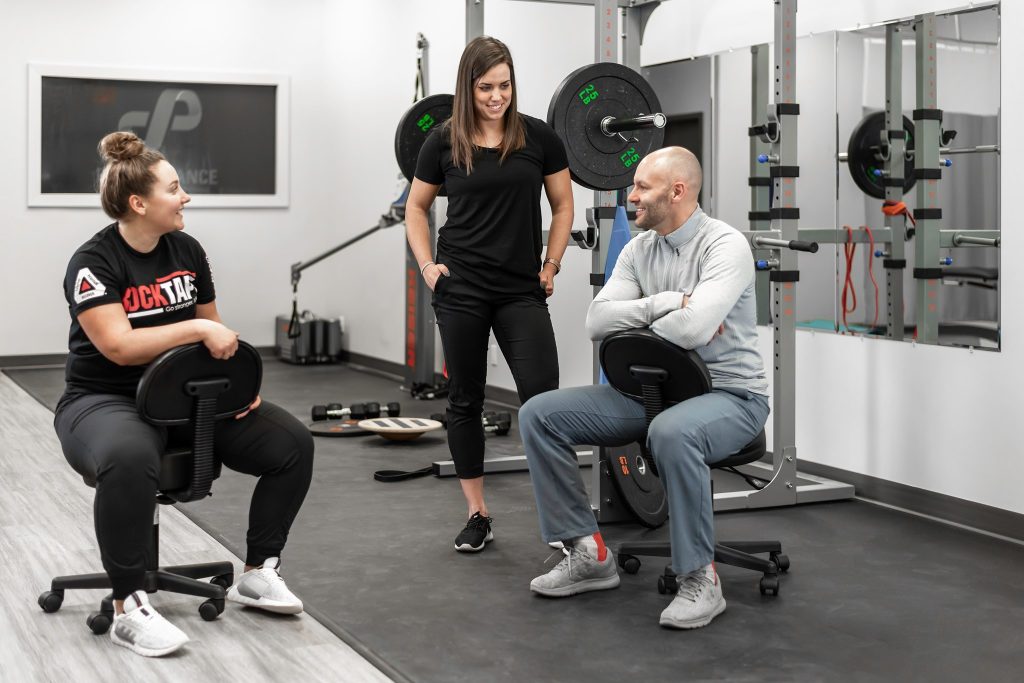
Timelines vary based on the type of repair, individual healing response, and activity goals. Many people progress through stages over several months, with early focus on protection and mobility, followed by strength and return-to-activity training.
Even when pain decreases, strength deficits and movement changes can remain. Rehabilitation helps address these hidden issues to reduce the risk of future knee problems and support a full return to function.
Yes, people who continue to have pain, stiffness, or weakness well after surgery can still benefit from targeted rehabilitation to address lingering deficits and improve knee performance.
People often ask about cost, appointment frequency, and what to expect at visits. Care plans are typically adjusted to your needs, stage of recovery, and tolerance, with sessions focused on active treatment and education. Comfortable clothing, consistency with home exercises, and open communication about symptoms help get the most from rehabilitation.