

Recovering after spine surgery can be painful, uncertain, and overwhelming, especially when you are unsure how much movement is safe. This specialized rehabilitation service in Edmonton focuses on helping people manage pain, restore mobility, and regain confidence after spinal procedures through structured, evidence-based care. The goal is to support healing while reducing complications and helping you return to daily life with greater comfort and control, guided by professionals who understand post-surgical spine recovery.
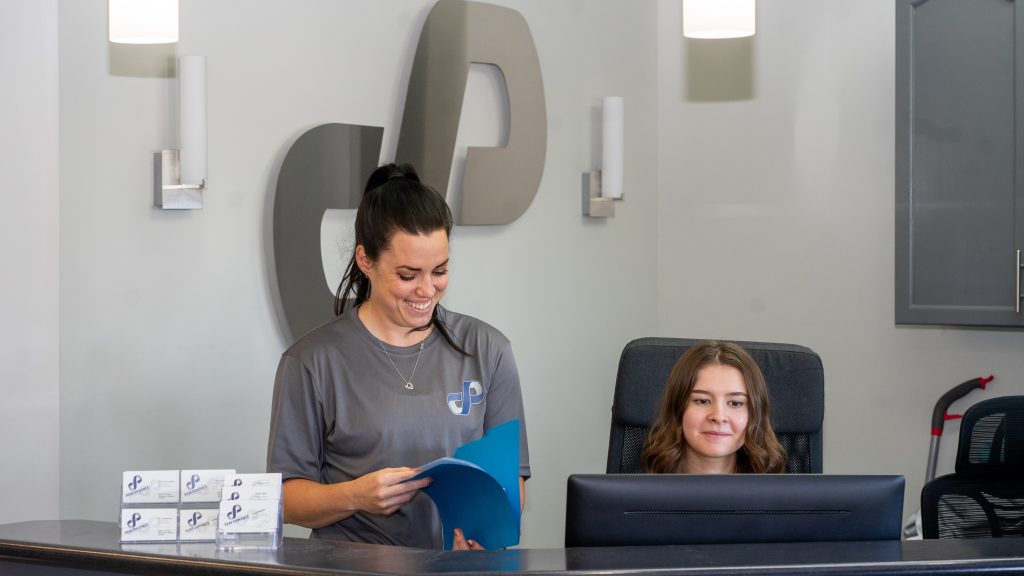
The process begins with a detailed assessment that considers the type of surgery, current symptoms, movement tolerance, and surgeon guidelines. Care typically includes education, gradual mobility work, pain-modulating techniques, and progressive strengthening. Tools may include manual therapy, therapeutic exercise, and functional retraining, guided by current clinical standards and adjusted as healing progresses.
Spine surgery alters how muscles, joints, nerves, and connective tissues work together, which means recovery is rarely automatic. Pain, stiffness, weakness, and fear of movement are common and can persist without guided rehabilitation. Targeted therapy helps address these challenges early, supporting safer healing and preventing long-term limitations that can affect work, sleep, and quality of life.
After spinal procedures, tissues need time and appropriate loading to heal properly. Scar formation, swelling, and protective muscle guarding can limit motion and increase discomfort. Without guided progression, people may either move too little, leading to stiffness, or too much, risking irritation and delayed recovery.
Operations involving the spine can temporarily alter how nerves transmit signals, sometimes causing ongoing pain, tingling, or weakness. These symptoms are not always a sign of damage but reflect heightened sensitivity. Specific rehabilitation strategies help calm the nervous system and restore more normal movement patterns.
Reduced activity before and after surgery often leads to weakness in core and supporting muscles. This loss of stability can place extra stress on healing structures and contribute to ongoing pain. Structured strengthening is essential to rebuild support around the spine safely.
Without appropriate post-operative care, some people develop persistent pain, fear of movement, or compensatory habits that stress other joints. Early, guided rehabilitation reduces these risks by promoting confidence, functional movement, and realistic recovery expectations.
Working with a qualified provider helps translate surgical healing timelines into practical, safe activity. Clients often experience better pain control, improved mobility, and a clearer understanding of how to move without fear. Over time, this approach supports a return to daily tasks, work duties, and recreational activities with improved strength and confidence.
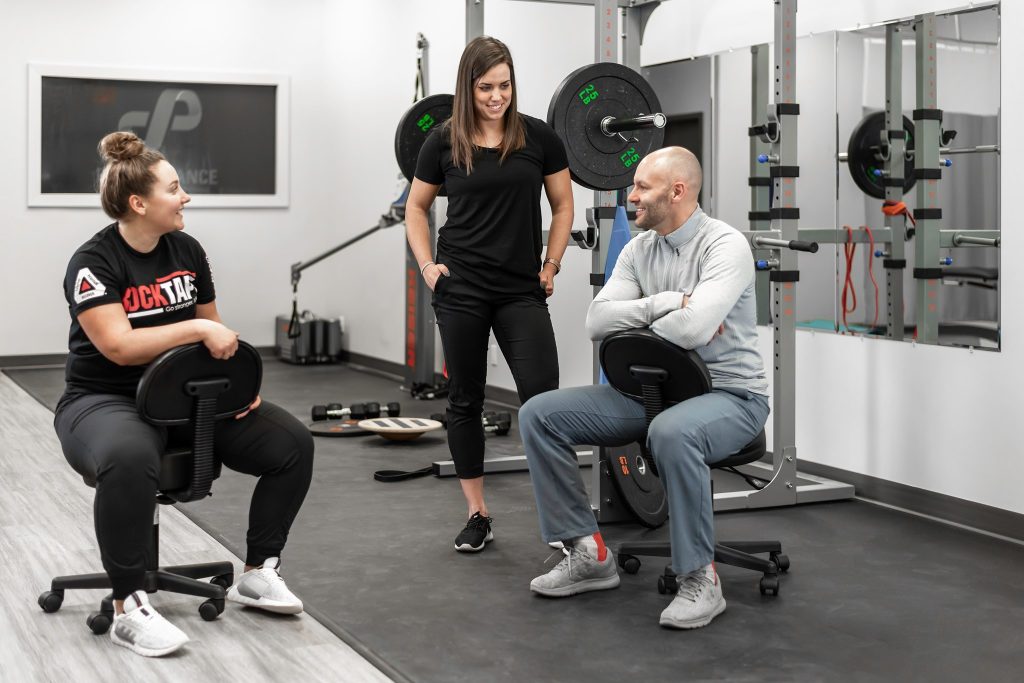
Rehabilitation is designed to respect surgical precautions and healing timelines. Exercises and techniques are selected to be appropriate for each stage of recovery and are adjusted based on your response and medical guidance.
Timelines vary depending on the procedure, individual health, and goals. Some people benefit from several weeks of care, while others require longer-term support to regain strength and function safely.
In many cases, a physician referral is not required to begin care, but post-surgical instructions from your surgeon are important. These guidelines are incorporated into your rehabilitation plan to ensure coordinated recovery.
Many people worry about pain during therapy, cost, or whether exercises might cause harm. Care is paced to your tolerance, focuses on gradual progress, and emphasizes education so you understand why each step matters. This approach helps reduce anxiety, supports informed decision-making, and promotes steady, meaningful recovery.