

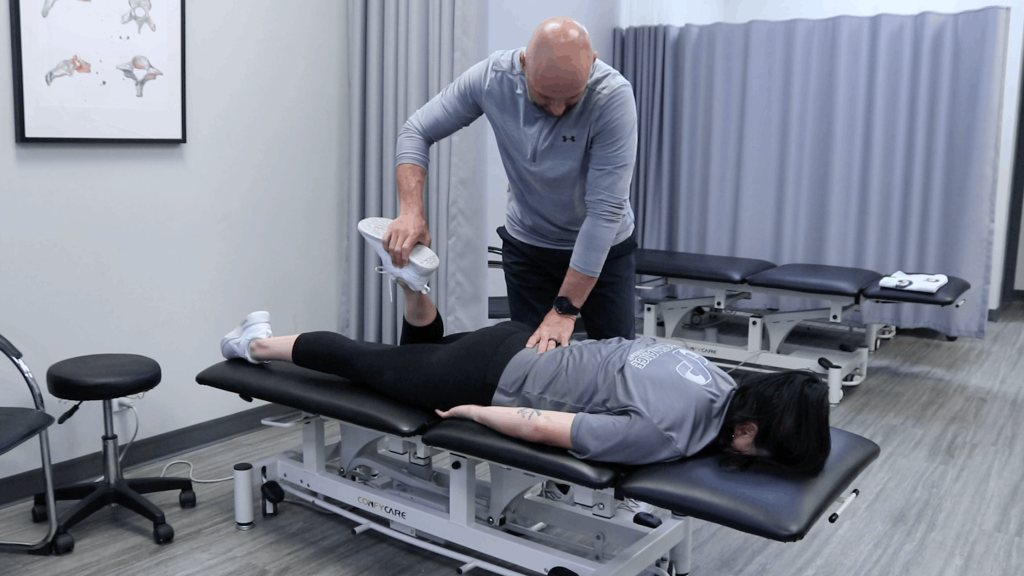
The process begins with a detailed health history followed by a structured movement screen that looks at balance, mobility, stability, and coordination during specific tasks. Findings from the screen guide a physiotherapy plan that may include manual therapy, corrective exercises, neuromuscular retraining, and gradual load progression. Treatment is adjusted over time based on how your movement and pain respond, ensuring care remains relevant and effective.
Pain often develops when the body compensates for weakness, stiffness, or poor coordination, especially during basic movements like squatting, stepping, or reaching. A functional movement screen helps reveal these hidden problems before they lead to persistent pain or further injury. For people already hurting, understanding these movement faults is critical to choosing the right physiotherapy approach.
When certain muscles or joints are not doing their share of the work, others are forced to compensate. Over time, these compensations increase stress on areas such as the low back, hips, knees, or shoulders, commonly triggering pain. Without identifying these patterns, treatment may only provide short-term relief.
Even after an injury seems healed, the nervous system may continue to protect the area by altering movement. This can reduce stability and coordination, increasing the risk of re-injury. Screening movement quality helps pinpoint where control has been lost and needs retraining.
Differences in flexibility or strength between sides of the body can quietly contribute to pain during daily tasks or exercise. These imbalances are not always obvious during a standard exam, but they become clear when movement is assessed in a structured way.
Many people try to fix pain with online exercises or general fitness programs. Without understanding how the body moves as a system, these efforts can aggravate faulty patterns and make symptoms worse instead of better.
Working with a qualified physiotherapist using a functional movement-based approach leads to clearer insight into why pain is happening and what needs to change. Clients often experience reduced pain during daily activities, better tolerance for exercise, and greater confidence moving without fear. The focus is not just on feeling better temporarily, but on restoring efficient movement that supports long-term health.
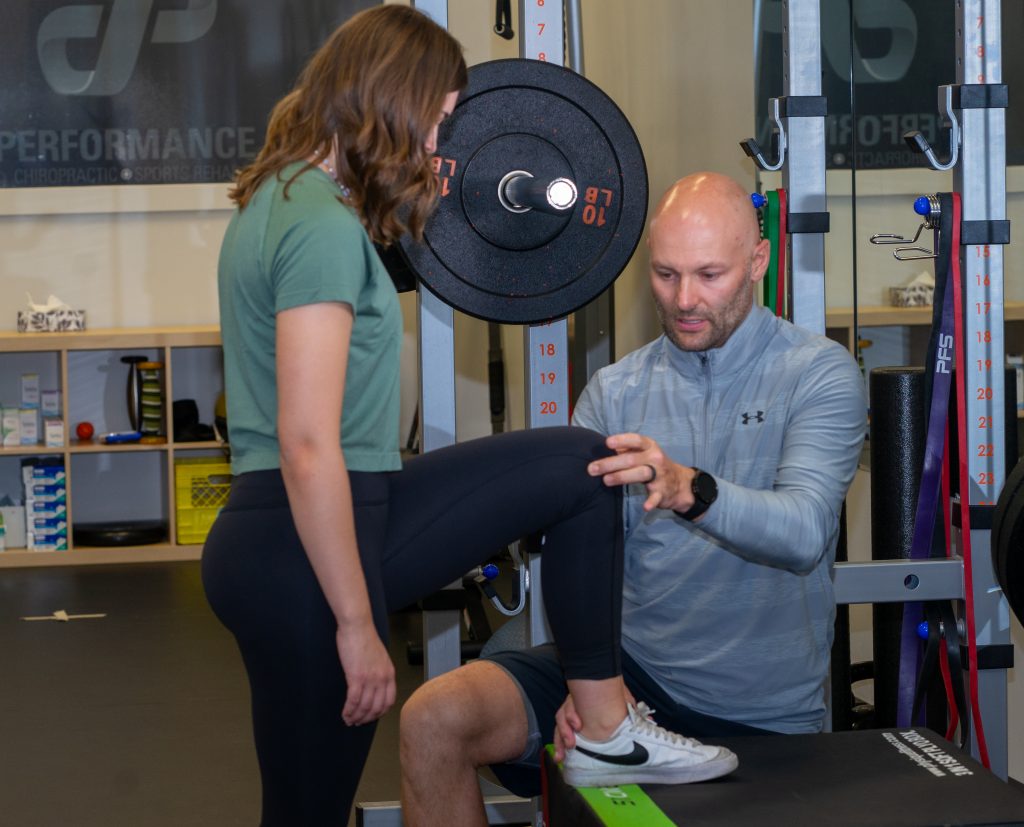
People often ask about timelines, cost, and whether they need a referral. Appointments typically start with an assessment, and the number of visits depends on complexity and goals rather than a fixed package. No physician referral is usually required for physiotherapy, and treatment plans are discussed openly so expectations are clear. This service is well suited for those who want a structured, evidence-informed way to understand their pain and move forward safely.