

Targeted, conservative care for people in Edmonton living with spinal stenosis-related pain, stiffness, and walking limits. This service focuses on reducing nerve irritation, improving movement, and helping you stay active with a plan tailored to your symptoms and imaging, delivered by a qualified chiropractic professional working within evidence-based standards. Book an assessment to understand your options and feel supported.

Care begins with a thorough history, neurological screening, and movement assessment, alongside review of prior imaging when available. Treatment plans may include gentle manual therapy adapted to tolerance, specific mobilization techniques, exercise prescription focused on flexion-biased or neutral strategies when indicated, and education on posture and pacing. Tools and approaches align with contemporary clinical guidelines and emphasize safety, measurable outcomes, and coordination with physiotherapy or medical providers when needed.
Spinal stenosis develops when the spaces around the spinal cord or nerve roots narrow, increasing pressure on sensitive structures. Symptoms can be variable and progressive, which is why informed, condition-specific care matters.
Disc dehydration, facet joint arthritis, ligament thickening, and bone spur formation can gradually reduce canal or foraminal space. These mechanical changes are common with ageing and may flare with certain postures or loads, leading to back or neck pain, leg symptoms, or arm tingling.
When narrowed spaces irritate nerve roots, people may notice sharp or burning pain, numbness, weakness, or heaviness in the legs with walking, known as neurogenic claudication. Symptoms often ease with flexion or sitting, which helps differentiate stenosis from other causes.
Pain and fear of flare-ups can reduce daily movement, contributing to stiffness, deconditioning, and balance issues. Over time this cycle can worsen tolerance for standing or walking and affect independence.
Ignoring red flags or applying non-specific treatment can delay improvement. Progressive weakness, bowel or bladder changes, or severe night pain require prompt medical assessment, highlighting the need for careful screening and coordinated care.
With appropriate case selection, conservative management can decrease pain intensity, improve walking tolerance, and restore confidence in movement. Care emphasizes symptom modulation, joint and soft-tissue mobility where appropriate, and practical strategies to manage daily loads, supporting better quality of life without unnecessary risk.
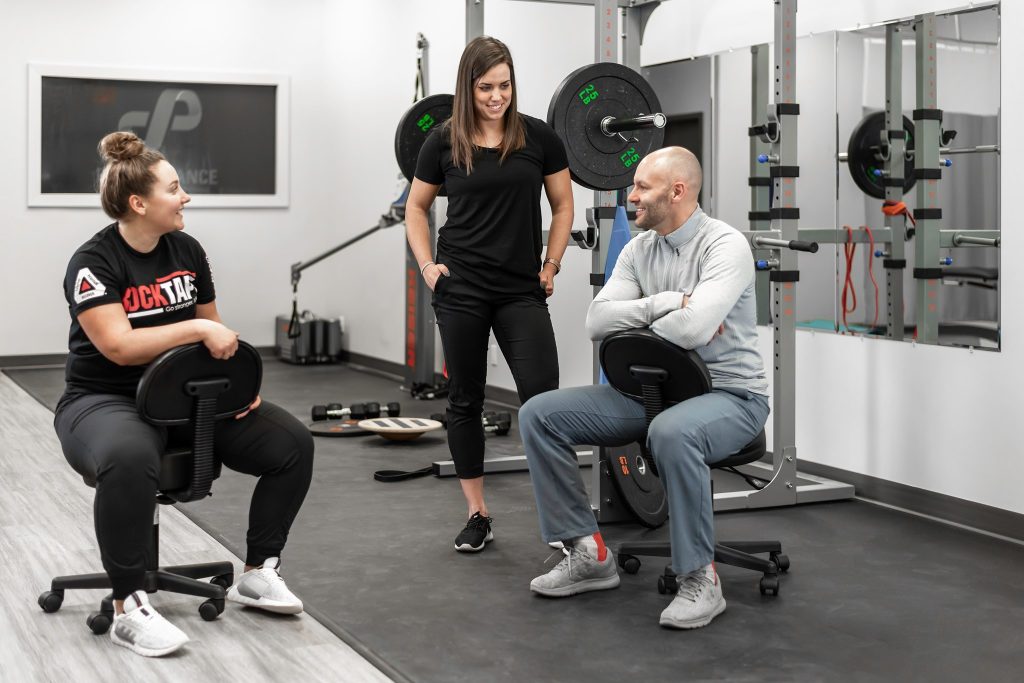
Timelines vary based on severity, chronicity, and activity demands. Some people notice symptom relief within a few visits as irritation settles, while others require a longer course to build tolerance and strength. Progress is reviewed regularly and plans are adjusted based on response.
Yes, when provided by a trained professional who screens thoroughly and adapts techniques. Imaging helps guide decisions, and care avoids high-risk approaches when contraindicated. Red flags prompt referral to medical care.
Many people manage symptoms conservatively, but not everyone is a candidate. This service helps clarify whether non-surgical care fits your presentation and can work alongside medical options if required.
Expect an initial assessment, a clear explanation of findings, and a tailored plan with transparent visit frequency and re-evaluation points. Costs depend on visit length and complexity rather than promises of outcomes. Comfortable clothing and prior reports are helpful, and you can ask questions at any time to decide if this Edmonton-based service is right for your pain and goals.