

If knee pain is stopping you from running, squatting, or even walking comfortably in Edmonton, this service focuses on diagnosing and managing the mechanical causes behind runner’s knee so you can move with confidence again. Care is aimed at reducing pain, restoring proper knee tracking, and addressing contributing factors above and below the joint, with a clear plan tailored to your body and activity goals. Book an assessment to understand what is driving your pain and what can realistically help.
Care begins with a detailed history and physical assessment focusing on gait, squat mechanics, joint mobility, and muscle activation. Treatment may include manual therapy to improve joint and soft tissue movement, guided strengthening and motor control exercises, and advice on activity modification and footwear. Progress is monitored over time, with adjustments based on how your knee responds and relevant clinical guidelines for managing patellofemoral pain.
Patellofemoral pain syndrome is not usually caused by a single injury but by repeated stress on the kneecap as it moves over the femur. When forces through the hip, knee, and ankle are not well balanced, the cartilage and surrounding tissues become irritated. Over time, this leads to diffuse pain around or behind the kneecap that can worsen with running, stairs, or prolonged sitting.
The kneecap relies on coordinated muscle control and joint alignment to glide smoothly. Weakness or delayed activation in the quadriceps or hip muscles can allow the kneecap to shift slightly off its ideal path, increasing pressure on sensitive structures and provoking pain with repetitive activities.
Limited hip rotation, poor pelvic control, or reduced ankle mobility can change how force travels up the leg. These upstream and downstream restrictions often overload the front of the knee, even when the knee itself appears structurally normal on imaging.
Sudden increases in running volume, hills, speed work, or changes in footwear can exceed the knee’s capacity to adapt. Without adequate recovery or strength, tissues become sensitized, and pain can linger despite rest alone.
Continuing to train through patellofemoral pain may lead to longer recovery times, reduced performance, and compensation patterns that strain other joints. Early, targeted care helps reduce the chance of chronic pain and recurring flare-ups.
With a structured approach that addresses joint mechanics, muscle control, and movement patterns, many people experience reduced pain during daily activities and sport. The goal is not just short-term relief but improved knee function, better load tolerance, and confidence returning to running or exercise.
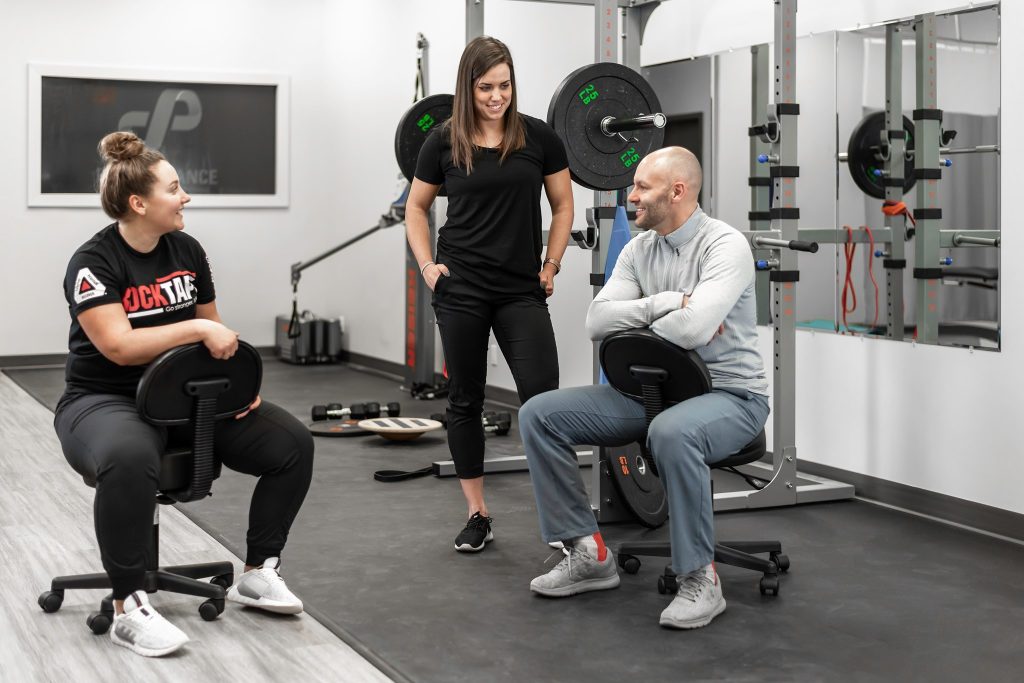
Timelines vary depending on how long symptoms have been present and how consistently recommendations are followed. Some people notice changes within a few visits, while others may need several weeks of progressive rehabilitation to achieve lasting improvement.
Most cases of runner’s knee can be diagnosed clinically without imaging. Scans are usually reserved for situations where symptoms do not improve as expected or when other conditions are suspected.
In many cases, modified running or cross-training is possible. Your chiropractor will help you adjust volume and intensity so the knee can recover without fully stopping all activity unless necessary.
People often wonder about cost, frequency of visits, and whether this approach is right for their type of knee pain. Care is typically delivered over a series of visits based on response rather than a fixed package, and treatment plans are adjusted as you improve. An initial assessment will clarify contributing factors, expected timelines, and whether this service at Performance Chiropractic + Physiotherapy in Edmonton fits your needs.