

If you are living in Edmonton with Parkinson’s-related pain, stiffness, or movement-related discomfort, this service focuses on helping you move more comfortably and safely. Care is tailored to people who experience muscle rigidity, joint pain, postural strain, or secondary aches that develop as the condition progresses or as activity levels change. The goal is not to treat the neurological disease itself, but to reduce pain, improve day-to-day function, and support quality of life through careful, evidence-informed chiropractic care, with a clear plan and compassionate guidance to help you decide your next step.

The process begins with a detailed health history, including current symptoms, medications, and movement challenges, followed by a physical examination focused on joints, muscles, posture, and functional movement. Care plans may include gentle manual joint techniques, soft tissue therapy, mobility exercises, and education on posture and pacing. Techniques are adapted to the individual’s tolerance and neurological presentation, with ongoing reassessment to ensure safety and relevance.
Pain in people with Parkinson’s often comes from a combination of neurological changes, altered movement patterns, and musculoskeletal strain. As symptoms evolve, joints, muscles, and connective tissues are placed under different stresses, which can lead to persistent discomfort if not addressed appropriately. A targeted approach helps distinguish between pain driven by stiffness and posture versus pain caused by joint restriction or muscle overuse.
Increased muscle tone and rigidity can limit normal joint motion, especially in the spine, hips, and shoulders. Over time, reduced movement can contribute to aching, reduced flexibility, and difficulty with everyday tasks such as turning in bed or standing up, making pain management an important part of overall care.
Forward head posture, rounded shoulders, and reduced arm swing are common and can shift load onto the neck and back. These changes increase mechanical stress on joints and soft tissues, raising the risk of chronic neck, mid-back, and low back pain if posture and mobility are not addressed.
Compensating for reduced mobility or tremor can overload certain muscles and joints. This may lead to repetitive strain, shoulder pain, or hip discomfort, particularly when walking aids or altered gait patterns are involved.
When pain is ignored, people may move less, which can accelerate stiffness, weakness, and deconditioning. Reduced activity can also increase fall risk and limit independence, making early, appropriate pain-focused care especially important.
Working with a qualified professional can help reduce joint restriction, ease muscle tension, and improve overall comfort. While outcomes vary, many people notice easier movement, better tolerance for daily activities, and improved confidence in managing pain as part of their broader health plan.
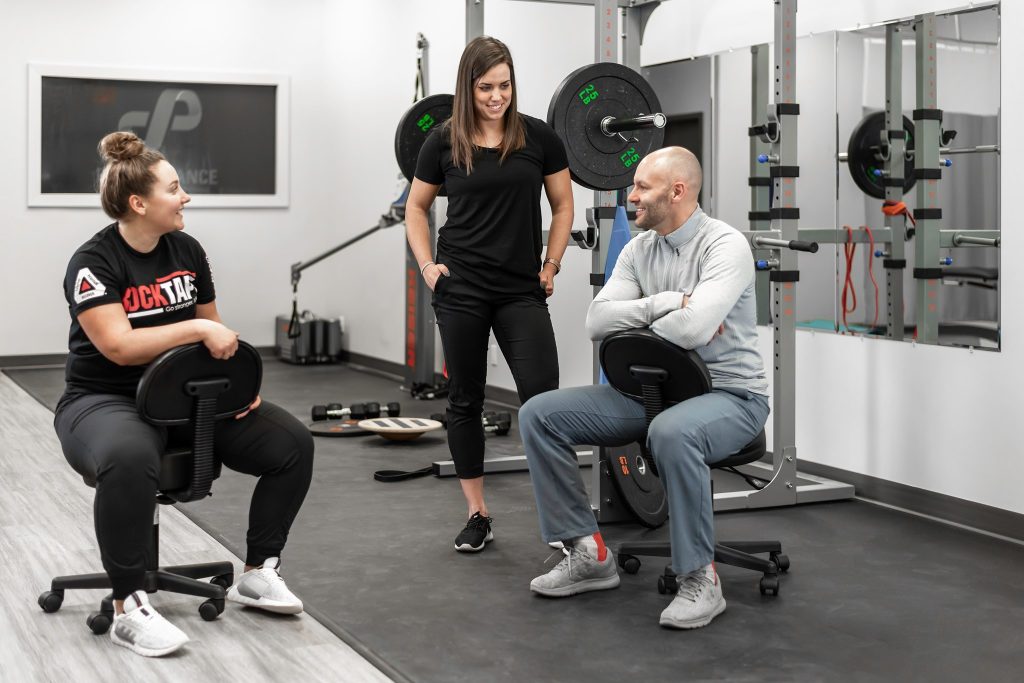
Safety is central to the approach. Techniques are modified to be gentle and appropriate, and care is planned in coordination with existing medical management. A thorough assessment helps identify when chiropractic care is suitable and when referral or co-management is needed.
This service focuses on musculoskeletal pain and movement-related discomfort, not on altering the progression of Parkinson’s disease. The aim is to support comfort, mobility, and function alongside medical care, not replace it.
Timelines vary depending on symptom severity, overall health, and consistency of care. Some people notice short-term relief after early visits, while others experience gradual improvements over several weeks as mobility and movement habits improve.
Many people wonder about cost, frequency, and whether chiropractic care fits their overall plan. Visit frequency is based on individual needs rather than fixed packages, and progress is reviewed regularly. This service is designed to complement medical and rehabilitative care, offering a structured, pain-focused option for those in Edmonton seeking professional support to move with less discomfort.