

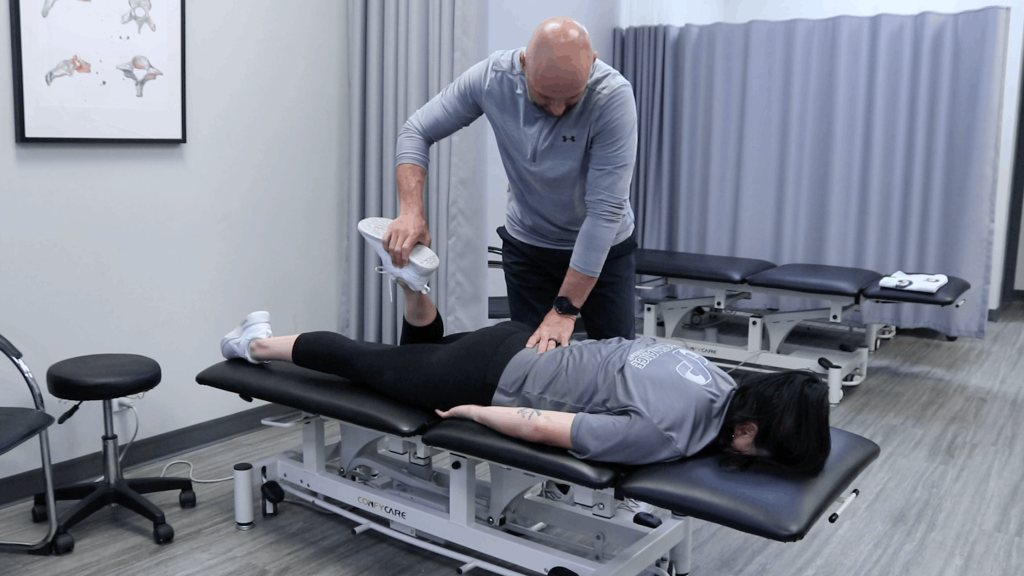
Care begins with a detailed assessment of movement, strength, joint function, and sport-specific tasks relevant to arena football. Treatment may combine manual therapy to restore mobility, physiotherapy exercises to rebuild strength and control, and chiropractic techniques to address joint mechanics when appropriate. Progressive loading, agility drills, and return-to-play testing are used to align rehab with game demands, following accepted clinical guidelines for musculoskeletal injury management.
Arena football combines sprinting, tackling, and abrupt contact with walls, creating a distinct injury profile compared to outdoor football. Without targeted assessment and rehab, players risk prolonged pain, compensatory movement patterns, and repeated time off the field, which can affect both performance and career longevity.
Unlike outdoor play, athletes frequently collide with boards and other players at close range, increasing the likelihood of shoulder sprains, rib injuries, cervical strain, and joint contusions. These impacts can overload tissues faster than they can adapt, especially when games are frequent.
The shorter field demands constant acceleration, deceleration, and sharp direction changes. This places heavy strain on the Achilles tendon, calves, hamstrings, knees, and hips, contributing to muscle strains, tendinopathies, and overuse injuries when recovery is inadequate.
Athletes often continue competing with untreated or under-treated injuries, leading to altered mechanics. Over time, this can shift stress to other joints or muscles, increasing the risk of secondary injuries and chronic pain conditions.
Returning to play based only on reduced pain rather than restored strength, mobility, and neuromuscular control raises the chance of reinjury. For arena football athletes, even small deficits can be exposed quickly during high-speed plays.
Working with a qualified provider who understands the physical demands of arena football helps athletes achieve more predictable outcomes. Benefits include faster symptom resolution, improved joint stability, restored power and agility, and a safer return to competition. Care is tailored to position-specific demands, helping players regain confidence in contact situations while reducing the likelihood of repeat injuries.
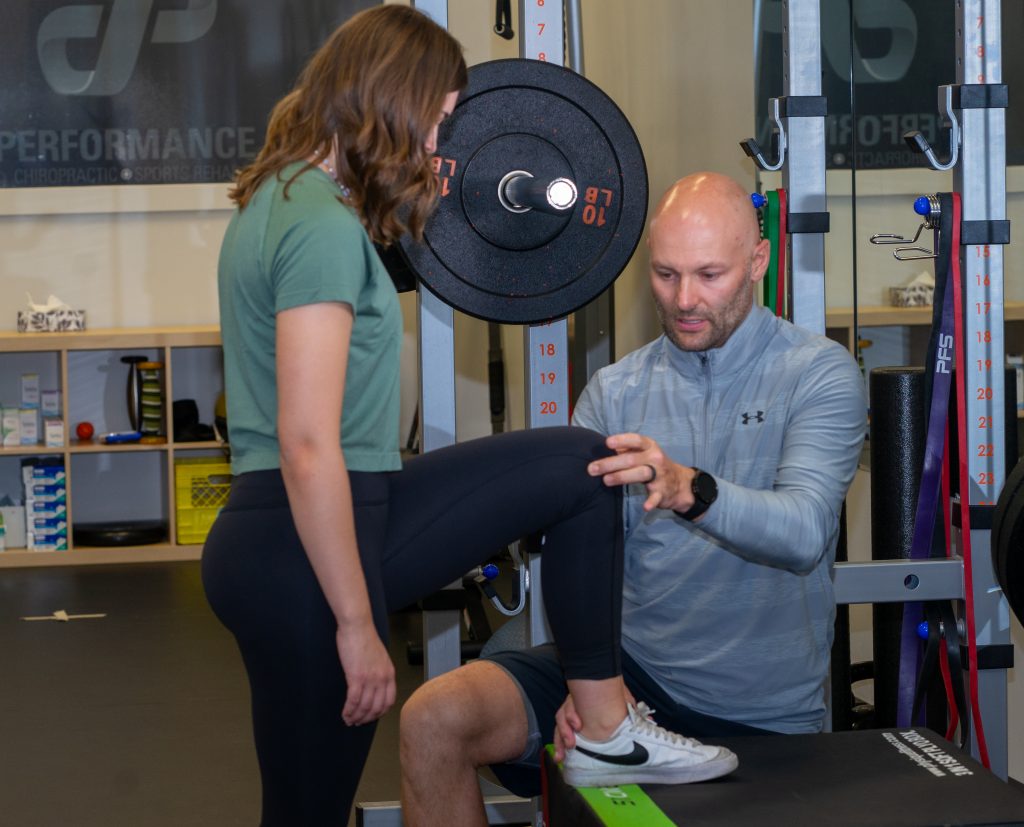
Timelines and costs vary depending on injury severity, position demands, and training volume, but care is typically structured in phases so progress is measurable. Athletes can expect clear communication about findings, goals, and home exercises, with treatment designed to complement team training rather than replace it. This approach helps Edmonton players make informed decisions about their recovery and return to the game.