

Built for Edmonton riders dealing with crashes, overuse pain, or stalled recovery, this service focuses on getting you back on the trail with confidence and control. Care is tailored for athletes who want more than symptom relief, addressing the mechanics of riding, loading tolerance, and tissue healing so pain reduces and performance returns, with guidance that fits real trail demands and busy training schedules.
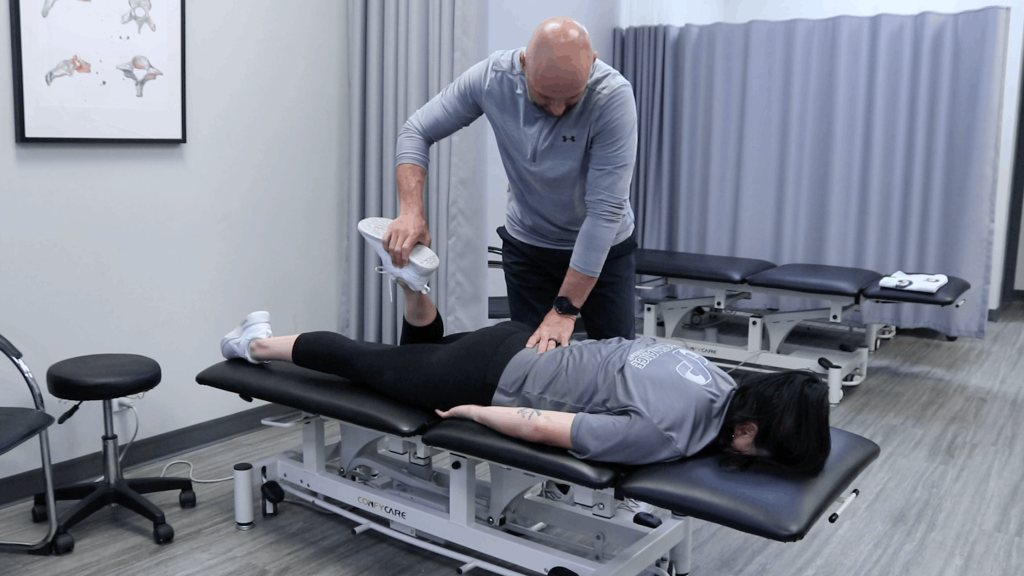
Care begins with a detailed assessment of your injury history, riding style, and current symptoms, followed by physical examination of joints, soft tissues, and movement patterns relevant to biking. Treatment may combine manual therapy, targeted exercise therapy, and progressive loading guided by pain and recovery response. Tools such as functional strength testing, mobility screens, and return-to-ride progressions are used to ensure tissues adapt safely. Education on bike setup, recovery strategies, and training load management supports long-term resilience.
Mountain biking places unique stresses on the body through technical terrain, repeated impacts, and sustained postures. When pain or injury is not managed with sport-specific rehab, riders risk prolonged symptoms, compensation patterns, and loss of riding capacity. Understanding why these injuries happen helps determine whether targeted care is the right next step.
Acute crashes commonly lead to shoulder separations, wrist sprains, rib injuries, or spinal irritation. Even when imaging is clear, the force of impact can disrupt joint mechanics and neuromuscular control, leaving riders with lingering pain or instability that limits aggressive riding.
Long climbs, sustained grip, and repeated descents can overload the lower back, knees, elbows, and forearms. Without adequate recovery or strength balance, micro‑trauma accumulates in tendons and joints, often presenting as persistent ache, stiffness, or loss of power.
Poor saddle height, reach, or handlebar setup can alter force distribution through the hips, spine, and upper limbs. Combined with inefficient movement patterns, this increases strain and can turn minor discomfort into a chronic injury that flares every ride.
Resuming riding before tissues have regained strength and control raises the chance of re‑injury. Pain that is ignored or masked can change how you move on the bike, increasing crash risk and slowing long‑term progress.
Working with a qualified provider helps riders regain pain-free range of motion, rebuild strength where it matters for climbing and descending, and restore coordination under load. Outcomes are measured by tangible markers such as improved tolerance to long rides, reduced post-ride soreness, and confidence handling technical terrain rather than passive rest alone.
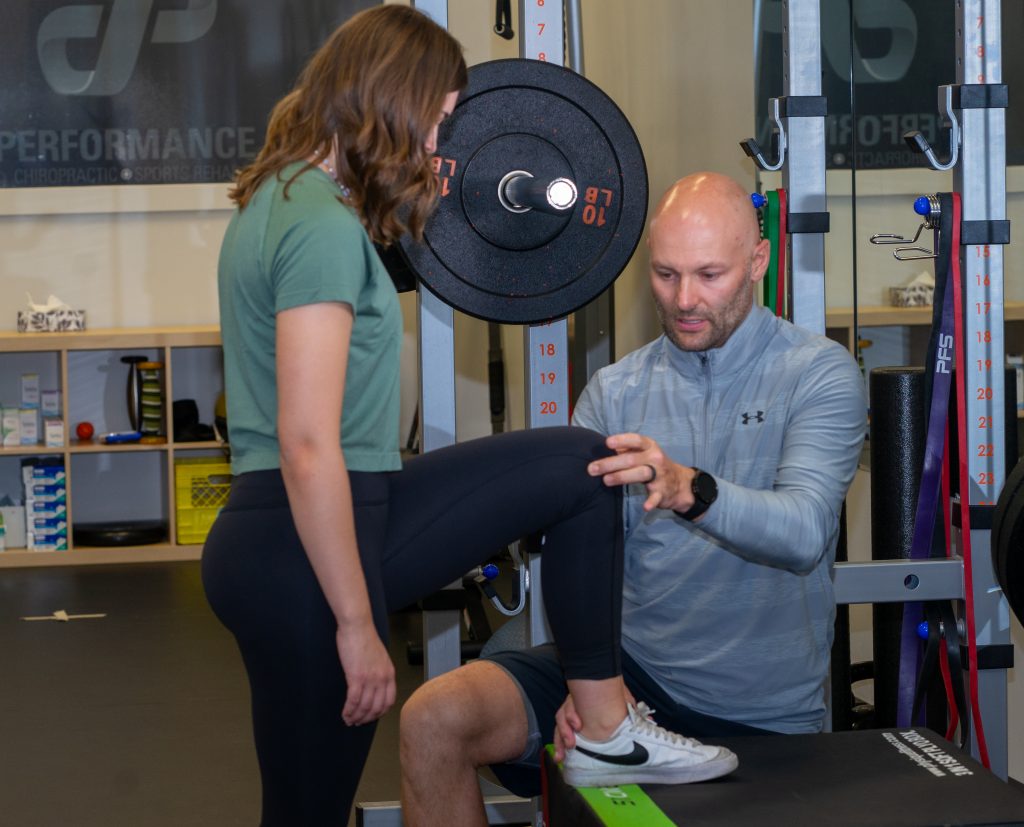
Timelines vary based on injury type, severity, and how long symptoms have been present. Some riders notice meaningful change within a few sessions, while others with complex or chronic issues require a structured program over several weeks to rebuild capacity safely.
Not always. Many athletes can continue modified riding or cross-training while rehabbing, provided load and terrain are adjusted. Decisions are based on pain response, tissue healing stage, and risk of aggravation.
The difference lies in sport specificity. Assessment and exercises are chosen to reflect mountain biking demands such as sustained hip flexion, upper-body load through the bars, and rapid force absorption on descents.
Costs depend on assessment needs and treatment complexity rather than one-size pricing, and no referral is typically required to start. Expect active participation, clear progress markers, and open discussion about goals and timelines so you can decide if this Edmonton-based service aligns with your riding plans and recovery priorities.