

Targeted physiotherapy care for wrestlers in Edmonton who are dealing with pain, acute injuries, or long-term wear from training and competition, focused on restoring strength, mobility, and confidence so you can return to the mat prepared rather than hesitant; book an assessment to start a structured recovery plan.
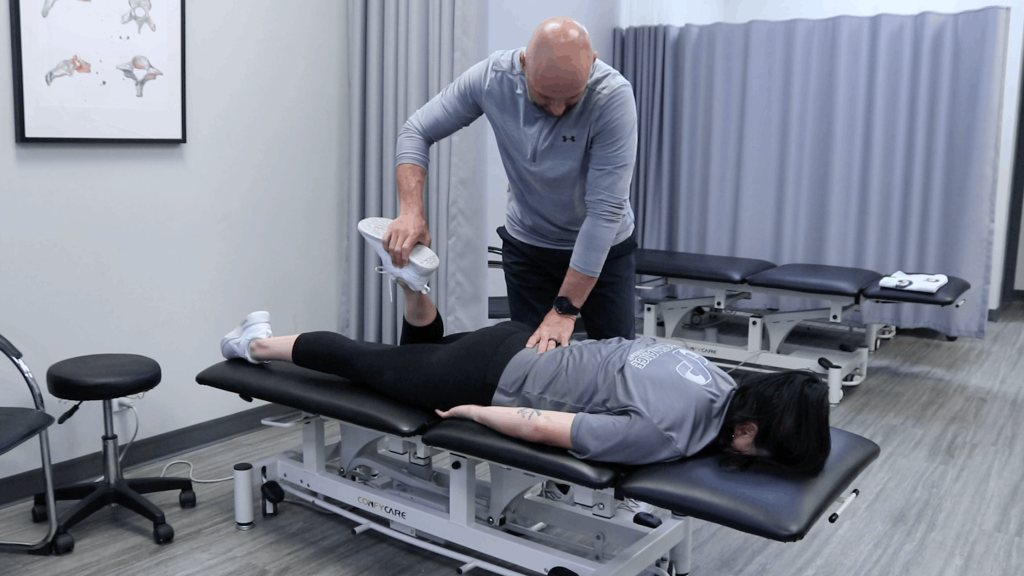
Care typically begins with a detailed assessment of injury history, training demands, and movement patterns relevant to wrestling, followed by hands-on techniques such as manual therapy and joint mobilization to address pain and stiffness, progressive exercise therapy to restore strength and control, and guided return-to-sport drills that reflect real match situations, with progress monitored and adjusted based on response.
Wrestling places unique physical demands on the body, combining explosive power, sustained isometric holds, and high-impact contact, which means injuries often involve multiple tissues and complex movement patterns rather than isolated muscles or joints.
Repeated shooting, sprawling, and clinch work place extreme compressive and torsional forces on the knees, hips, shoulders, and neck, commonly leading to ligament sprains, labral irritation, and joint instability if not rehabilitated with sport-specific loading.
Rapid direction changes, lifts, and resisted pulling frequently overload the hamstrings, groin, rotator cuff, and forearms, and without guided progression these tissues can heal incompletely, increasing the chance of re-injury during intense training cycles.
Bridging, cranking positions, and prolonged neck flexion can irritate cervical joints and neural structures, resulting in stiffness, headaches, or arm symptoms that require careful assessment to rule out more serious involvement.
Returning to wrestling based only on pain reduction rather than restored strength, control, and conditioning often leads to recurring injuries, compensatory movement patterns, and reduced competitive performance over time.
Working with a provider experienced in wrestling-related injuries helps ensure that pain reduction is paired with measurable improvements in strength, range of motion, balance, and sport-specific capacity, supporting a safer return to training, improved confidence during live wrestling, and a lower risk of setbacks during the season.
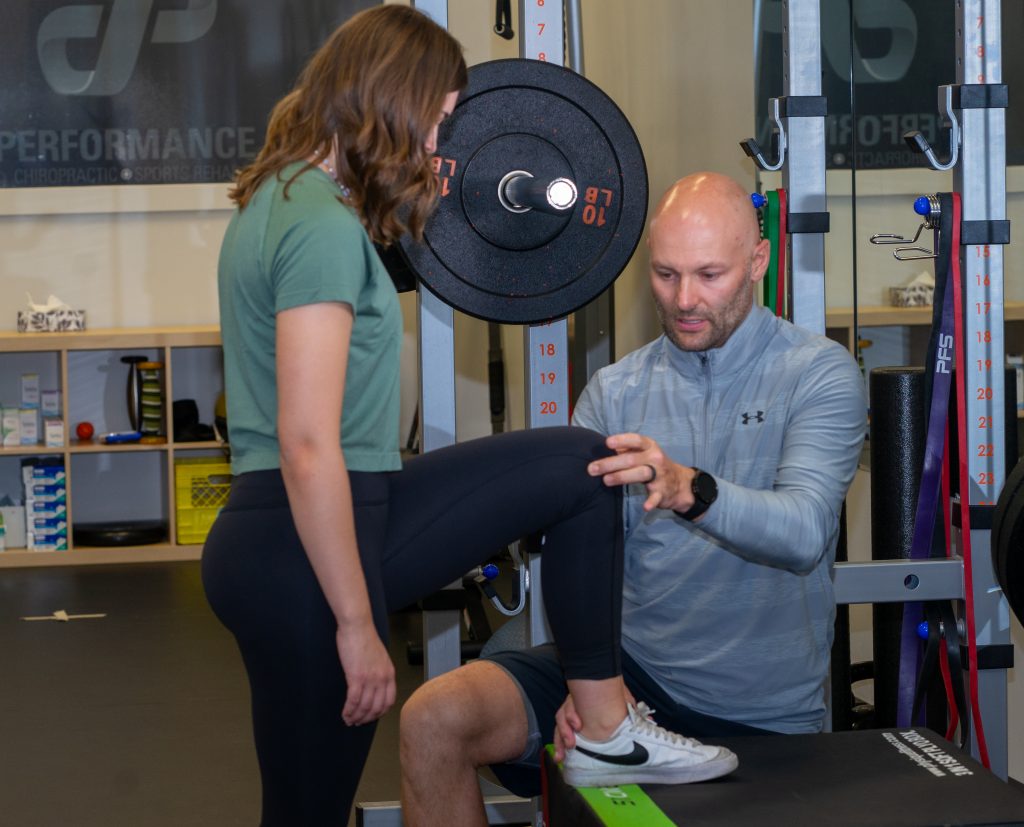
Timelines vary depending on the type and severity of injury, training volume, and prior history, but many wrestlers see meaningful improvement within a few weeks, with full return-to-competition decisions based on functional testing rather than the calendar alone.
In many cases modified training is encouraged, with intensity, volume, or techniques adjusted to protect healing tissues while maintaining conditioning, rather than complete rest unless medically necessary.
Most wrestling-related injuries can be assessed clinically without imaging, and physiotherapy can be accessed directly, with referrals for imaging or other providers made if assessment findings indicate a need.
Athletes often ask about cost, scheduling around training, and whether treatment will be sport-specific, and care is typically planned around training demands, with transparent discussion of visit frequency, home exercise expectations, and progression criteria so you know what to expect from the start.