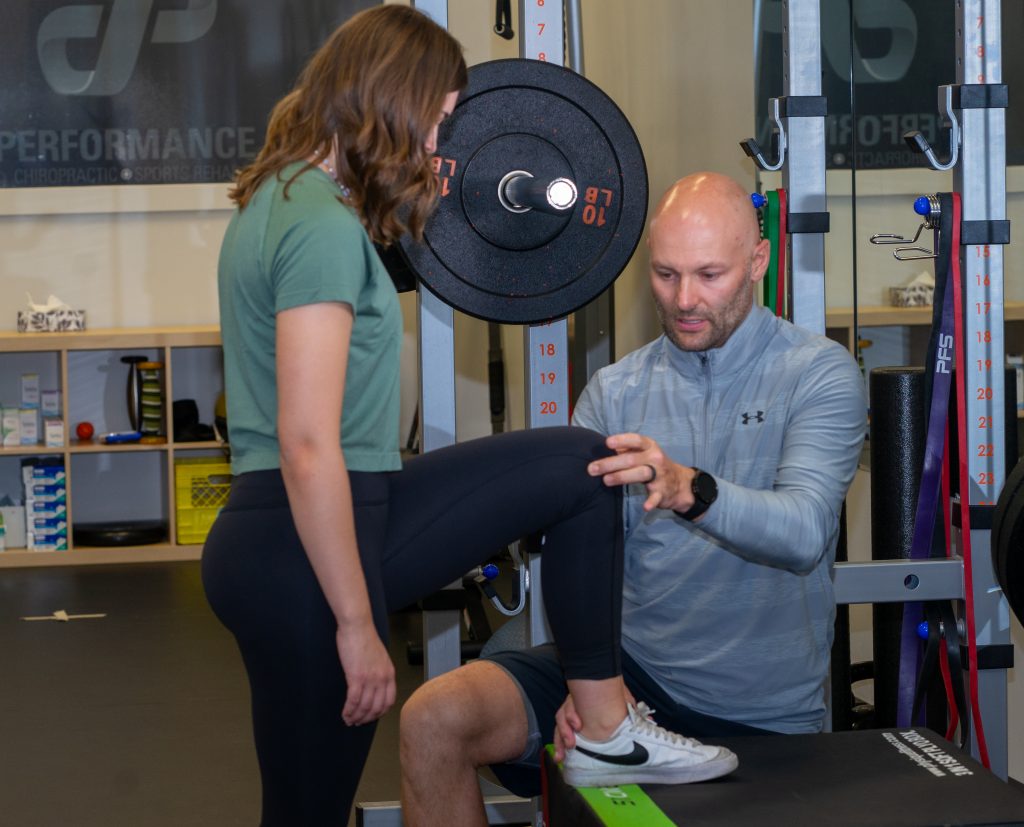
High-impact kicking, rapid pivots, and full-contact sparring place unique demands on the body, and when pain or injury interrupts training, progress can stall quickly. This service is designed for Edmonton-based taekwondo athletes who need targeted pain relief and structured rehabilitation that respects the biomechanics of their sport. The focus is on restoring movement quality, strength, and confidence so you can return to the dojang with a reduced risk of re-injury, guided by clinicians who understand athletic rehab and performance-focused care.
Care begins with a detailed assessment of movement patterns, joint mobility, strength, and training history to identify the true source of pain. Treatment may combine manual therapy to address joint or soft tissue restrictions, progressive exercise therapy to rebuild strength and control, and education on load management to align rehab with training demands. Evidence-informed physiotherapy and chiropractic methods are integrated as appropriate, using clinical reasoning rather than a one-size-fits-all approach, and progress is measured through functional milestones relevant to taekwondo.
Taekwondo combines speed, flexibility, and force, which makes injuries common when tissues are overloaded or recovery is rushed. Understanding the underlying causes and risks helps athletes appreciate why a structured treatment approach is critical rather than simply training through pain.
High-volume roundhouse, side, and spinning kicks repeatedly load the hips, knees, and ankles. Without adequate recovery or strength balance, this can lead to tendinopathy, muscle strains, or joint irritation that worsens over time instead of resolving on its own.
Direct blows, awkward landings, or sudden changes in direction can cause sprains, contusions, or ligament injuries. These acute issues often feel manageable at first but can create lasting instability if not properly assessed and treated.
Limited hip rotation, weak core control, or asymmetrical leg strength alters kicking mechanics. These compensations increase stress on the lower back and knees, raising the likelihood of recurring pain and chronic injury.
Resuming full training before tissues have adequately healed can prolong recovery and reduce performance. In combat sports, this risk is higher because explosive movements demand near-maximal force from healing structures.
Working with a qualified provider helps athletes regain range of motion, strength, and neuromuscular control in a way that directly supports taekwondo techniques. The outcome is not only pain reduction but also improved movement efficiency, better balance, and greater confidence during kicks, footwork, and sparring.
Timelines vary depending on the type and severity of injury, training volume, and individual healing capacity. Some athletes notice meaningful improvement within a few sessions, while more complex issues may require a structured plan over several weeks to safely return to full training.
In many cases, modified training is encouraged rather than complete rest. The key is adjusting intensity and technique selection so healing tissues are protected while overall conditioning is maintained.
Imaging is not always necessary and is typically recommended only when clinical findings suggest a more serious issue. A thorough physical assessment often provides sufficient information to begin effective treatment.
Athletes often wonder about costs, session frequency, and what to expect at the first visit. Care plans are usually based on assessment findings and functional goals rather than fixed packages, and the initial appointment focuses on understanding your injury, explaining options clearly, and outlining a realistic path back to training and competition in Edmonton.