

Targeted care for athletes in Edmonton dealing with pain, stiffness, or loss of performance after a mini golf–related strain, this service focuses on accurate diagnosis, guided rehabilitation, and safe return to play so you can move confidently again without guessing or delaying recovery. Book an assessment to get a clear plan forward.
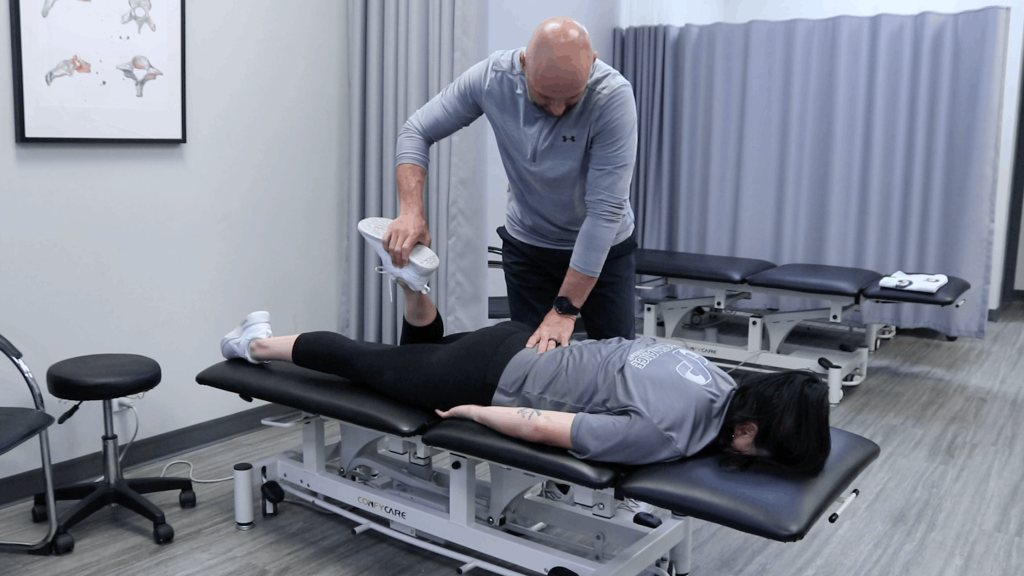
Care begins with a detailed history and physical assessment to identify the specific tissues involved, movement faults, and contributing load factors. Treatment may include manual therapy to reduce pain and restore mobility, progressive exercise therapy to rebuild strength and control, and education on technique, warm-up, and load management. When appropriate, evidence-informed tools such as therapeutic exercise progressions, soft tissue techniques, and functional movement retraining are used to align with current physiotherapy and chiropractic standards.
Although mini golf looks low impact, repeated putting, awkward stances, sudden reaches, and uneven surfaces can overload specific tissues, especially when played recreationally or competitively without warm-up. For athletes, these strains can interfere with training, cross-sport performance, and long-term joint health if not addressed properly.
Mini golf involves frequent trunk rotation, wrist flexion, and shoulder control in confined spaces, which can strain forearm flexors, rotator cuff muscles, and the lower back, particularly when technique breaks down under fatigue.
Bending over obstacles, leaning across ramps, or stabilizing on artificial turf challenges balance and load tolerance, increasing the risk of hip, knee, and ankle strains when stabilizing muscles are caught off guard.
Quick reactions to slipping clubs, missed footing, or playful competition can create sudden eccentric loading, leading to microtears in muscle fibres or irritation of tendons around the elbow, shoulder, or groin.
Athletes often dismiss mini golf–related pain as trivial, but continuing activity with a strain can prolong inflammation, alter movement patterns, and increase the risk of secondary injuries during other sports.
Working with a qualified provider helps reduce pain, restore normal movement, and rebuild tissue capacity so athletes can return to mini golf and other training with confidence, reduced re-injury risk, and better overall performance.
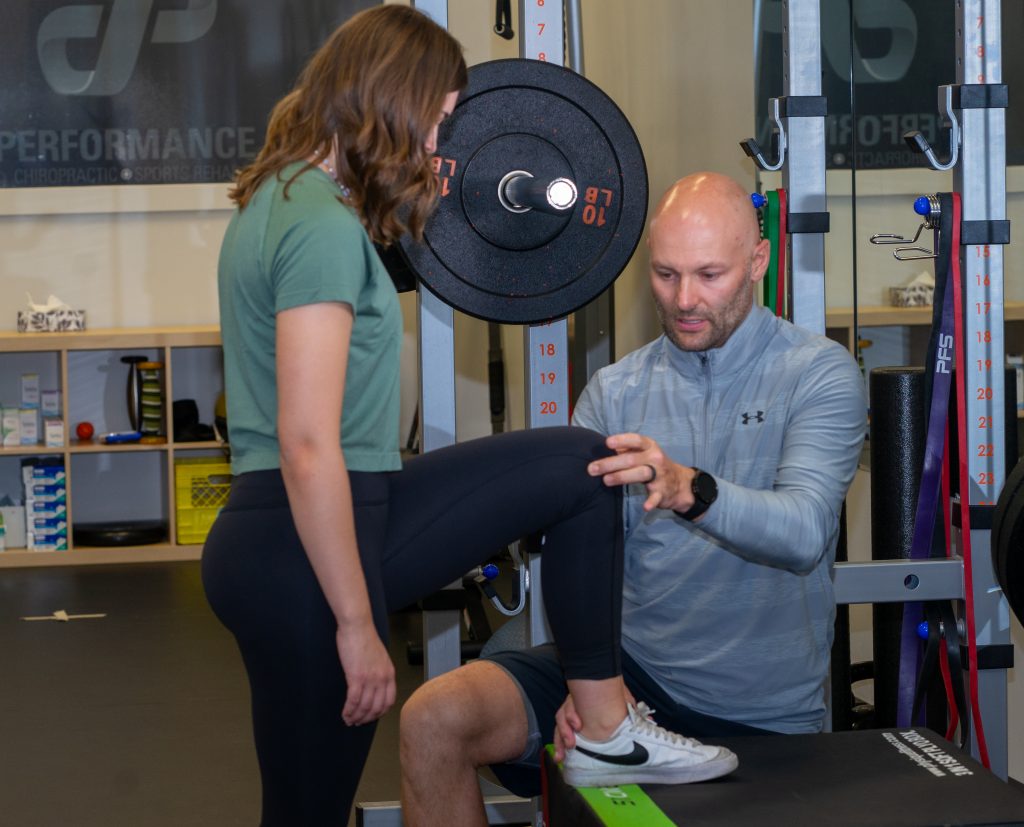
Recovery time depends on the severity of the strain, the tissue involved, and how early care begins, but many mild to moderate strains improve over several weeks with guided treatment and adherence to a rehab plan.
Most mini golf strains do not require imaging initially, as a thorough clinical assessment can identify the problem, with imaging considered only if symptoms fail to improve or more serious injury is suspected.
In many cases, modified training is possible, with guidance on what activities to reduce or avoid so healing can occur without unnecessary loss of fitness.
Athletes often ask about cost, frequency of visits, and whether treatment is worth it for a seemingly minor injury; in practice, early, focused care is usually more efficient and cost-effective than waiting, as it shortens downtime, prevents compensation injuries, and provides a clear plan tailored to your goals and schedule.