

Specialized care for target shooters and competitive athletes in Edmonton who are dealing with pain, overuse injuries, or performance-limiting discomfort from training and competition, this service focuses on resolving the underlying mechanical causes so you can return to stable, confident shooting with less pain and better control. Book an assessment to find out how focused rehabilitation can support your recovery and long-term performance.
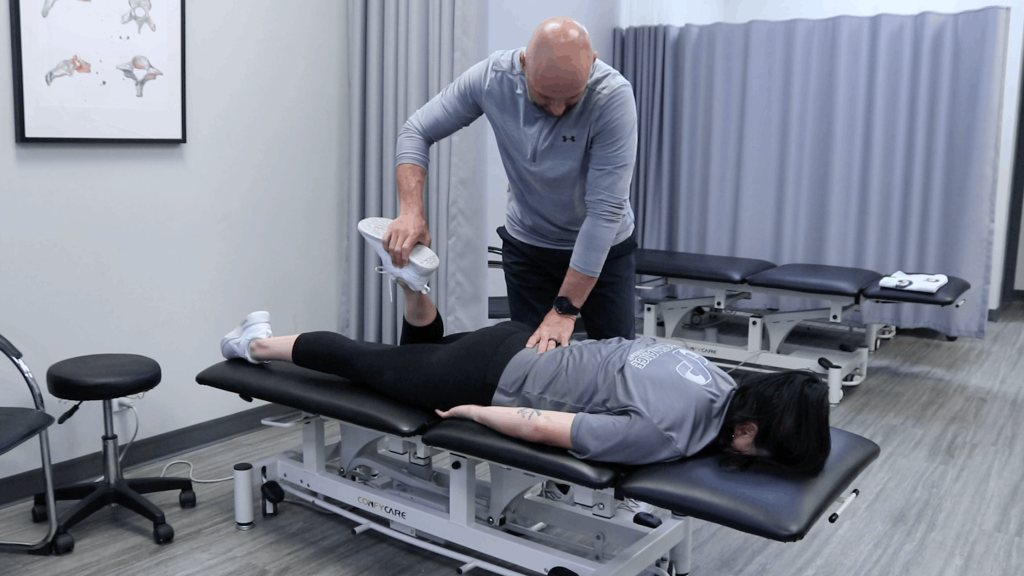
Care begins with a detailed assessment of posture, joint mobility, muscle control, and shooting-specific demands, combined with a review of training volume and injury history. Treatment may include manual therapy to restore joint and soft tissue movement, progressive exercise therapy to build endurance and control in key stabilizing muscles, and movement retraining to reduce unnecessary strain during shooting positions. Evidence-informed physiotherapy and chiropractic methods are integrated as appropriate, with progress tracked and the plan adjusted based on response and goals.
Pain and dysfunction in shooting sports often develop gradually and can be overlooked until performance drops or daily activities are affected. Understanding the specific physical stresses involved helps explain why targeted rehabilitation is important rather than general rest or isolated treatment.
Sport shooting requires prolonged static positions with asymmetrical loading through the spine, shoulders, and hips, which can strain stabilizing muscles and joints over time. Without adequate conditioning and recovery, this can lead to shoulder impingement, neck stiffness, or lower back pain that persists between training sessions.
Even with proper technique, repeated recoil transmits force through the hands, wrists, elbows, and shoulders, potentially irritating tendons and joint surfaces. Over time, this exposure can contribute to tendinopathies or joint irritation that affect grip endurance and shot consistency.
Trigger control and sustained grip demand precise, repeated activation of small forearm and hand muscles. Overuse without adequate recovery can lead to forearm pain, wrist stiffness, or nerve irritation that makes steady aiming and trigger pull more difficult.
Many athletes push through mild discomfort, unknowingly altering posture or movement patterns to avoid pain. These compensations increase stress elsewhere in the body, raising the risk of chronic injury and longer recovery times if not addressed early.
Working with a qualified provider allows underlying mechanical issues to be identified and corrected, leading to more reliable pain reduction and better postural stability during shooting. Athletes often notice improved endurance in training sessions, smoother firearm control, and greater confidence returning to competition.
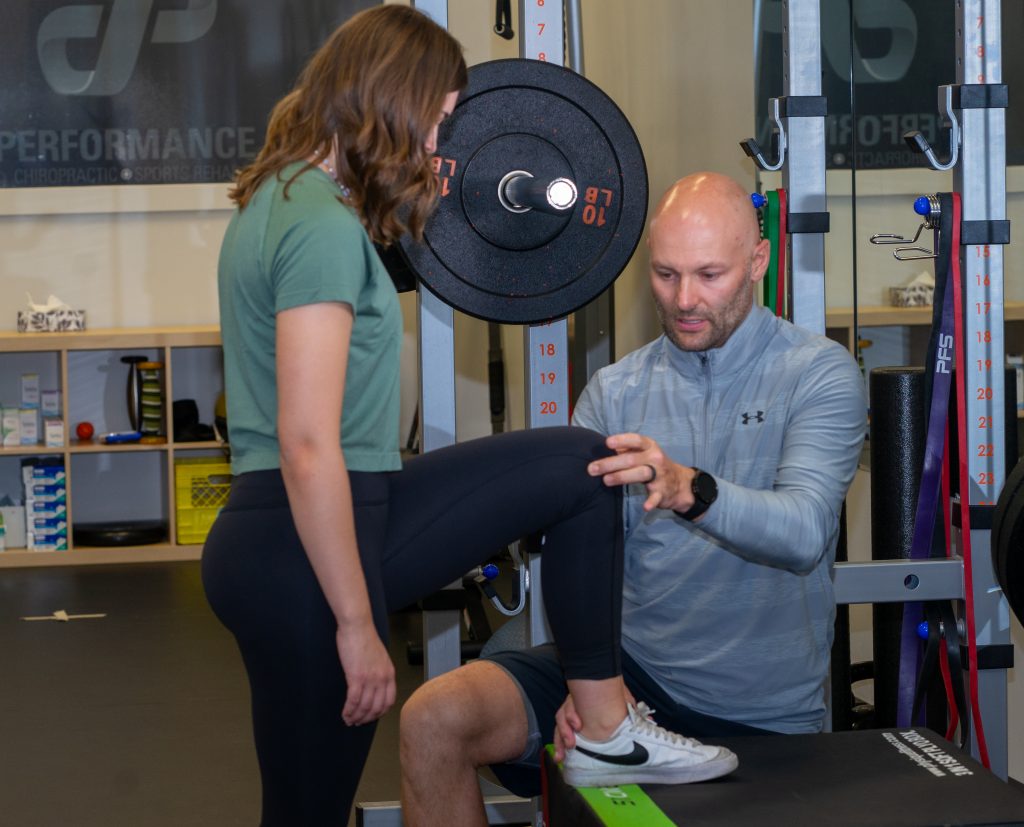
Timelines vary depending on the type and severity of injury, how long symptoms have been present, and training demands. Some athletes notice meaningful improvement within a few sessions, while more persistent or complex issues may require a structured plan over several weeks to restore function safely.
In most cases, complete rest is not required and can sometimes slow progress. Rehabilitation typically focuses on modifying training load and technique while addressing the root cause, allowing many athletes to continue some level of practice without aggravating symptoms.
This care is suitable for both competitive and recreational shooters who experience pain or limitation related to their sport. The assessment and treatment approach are tailored to individual goals, whether that is returning to competition or shooting comfortably without pain.
Many athletes wonder about cost, scheduling, and what to expect at the first visit, and these factors are discussed openly during the initial assessment. Treatment plans are based on clinical findings rather than fixed packages, and progress is reviewed regularly so care remains appropriate, efficient, and aligned with your rehabilitation and performance goals.