

Specialized rehabilitation designed for contemporary dancers in Edmonton who are training, rehearsing, or performing through pain and injury, this service focuses on restoring movement quality, strength, and confidence without compromising artistry. At Performance Chiropractic + Physiotherapy, we address the unique physical demands of contemporary dance, from floor work to explosive jumps, helping athletes recover efficiently and return to performance-ready condition with care tailored to their bodies and schedules.
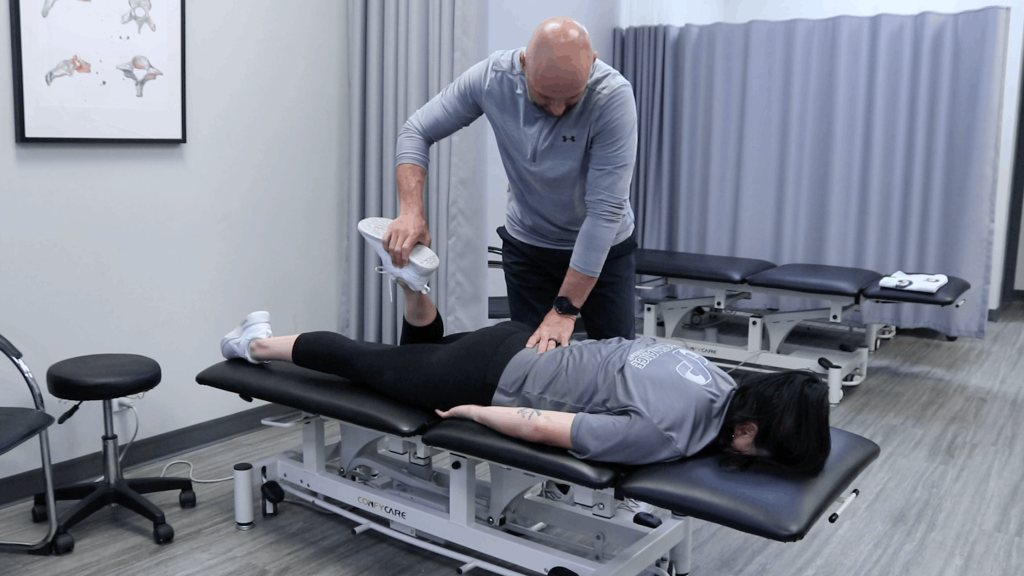
The process begins with a detailed assessment of movement patterns, injury history, and current training demands. Treatment may include manual therapy to address joint and soft tissue restrictions, progressive strength and motor control exercises specific to dance positions, and load management strategies to balance rehab with ongoing rehearsals. When appropriate, return-to-dance progressions are used to reintroduce complex sequences safely, guided by pain response and movement quality rather than arbitrary timelines.
Contemporary dance places unique stresses on the body that differ from both classical ballet and field sports. Movements often involve deep spinal flexion and extension, floor transitions, asymmetrical loading, and repeated end-range positions that can challenge joint stability and tissue tolerance over time. When these demands exceed the body’s current capacity, pain and injury can develop.
Choreography frequently requires dancers to move repeatedly into extreme ranges at the hips, spine, ankles, and shoulders. Without sufficient strength and control in these positions, tissues such as tendons, joint capsules, and cartilage can become irritated, leading to persistent pain that may worsen if ignored.
Auditions, intensives, and performance seasons often involve rapid spikes in rehearsal hours. These abrupt workload changes reduce recovery time and increase the risk of overuse injuries like tendinopathy, stress reactions, and muscle strains common in contemporary dance populations.
Dancers frequently continue training through minor pain, subtly altering movement patterns to cope. These compensations can shift stress to other areas, contributing to secondary issues such as hip pain following an ankle injury or low back pain after altered landing mechanics.
The culture of dance can normalize discomfort, but distinguishing between expected training soreness and injury-related pain is critical. Persisting without proper rehabilitation increases the risk of chronic symptoms, reduced performance quality, and longer time away from the stage.
Working with a qualified provider allows rehabilitation to be aligned with the technical and artistic requirements of contemporary dance. Outcomes typically include reduced pain, improved joint control at end ranges, restored strength and power for jumps and floor work, and greater confidence during rehearsals. The goal is not only symptom relief but also improved movement efficiency to lower the risk of re-injury during future training and performances.
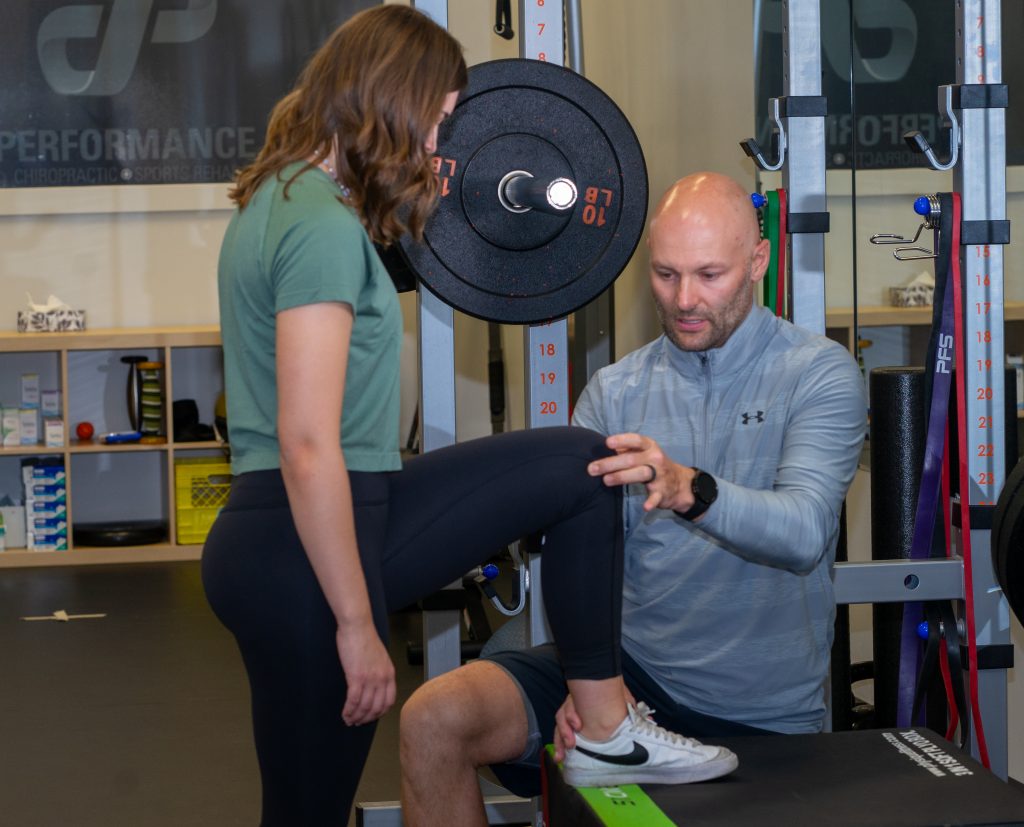
Timelines vary depending on the type and severity of injury, as well as current training demands. Some issues improve within a few weeks, while others require a longer, structured progression. The focus is on steady improvement and safe return to full participation rather than rushing the process.
In many cases, modified participation is possible and even beneficial. Care plans are designed to integrate with rehearsals when safe, adjusting intensity and volume to support healing while maintaining conditioning and technique.
Yes. Rehabilitation for contemporary dancers accounts for specific movement vocabulary, floor work demands, and performance goals. This targeted approach helps ensure exercises and progressions transfer directly back to dance rather than generic fitness.
Most athletes want to know about cost, scheduling, and whether this care fits their situation. Appointments are structured around assessment-driven treatment, with fees based on time and services provided rather than one-size-fits-all packages. No referral is typically required, and early assessment is encouraged, as addressing issues sooner often leads to faster and more complete recovery.