

This focused rehab service supports Edmonton athletes who inline skate recreationally or competitively and are dealing with pain, crashes, overuse injuries, or performance-limiting movement issues. It addresses how skating loads the ankles, knees, hips, spine, and nervous system, then restores strength, control, and confidence so you can skate hard again without fear of reinjury. If pain or instability is holding you back, this evidence-informed care helps you return to skating with purpose.
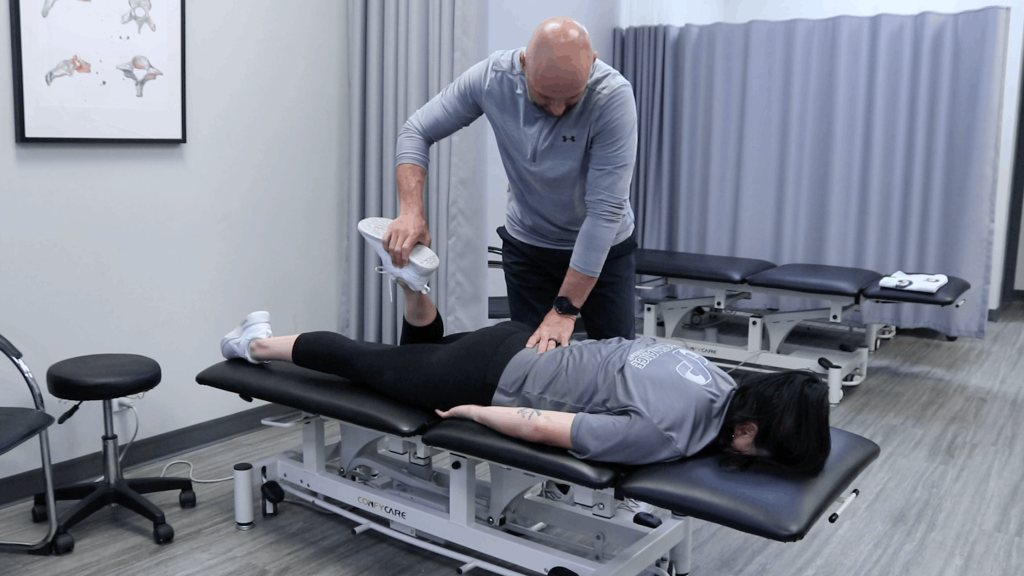
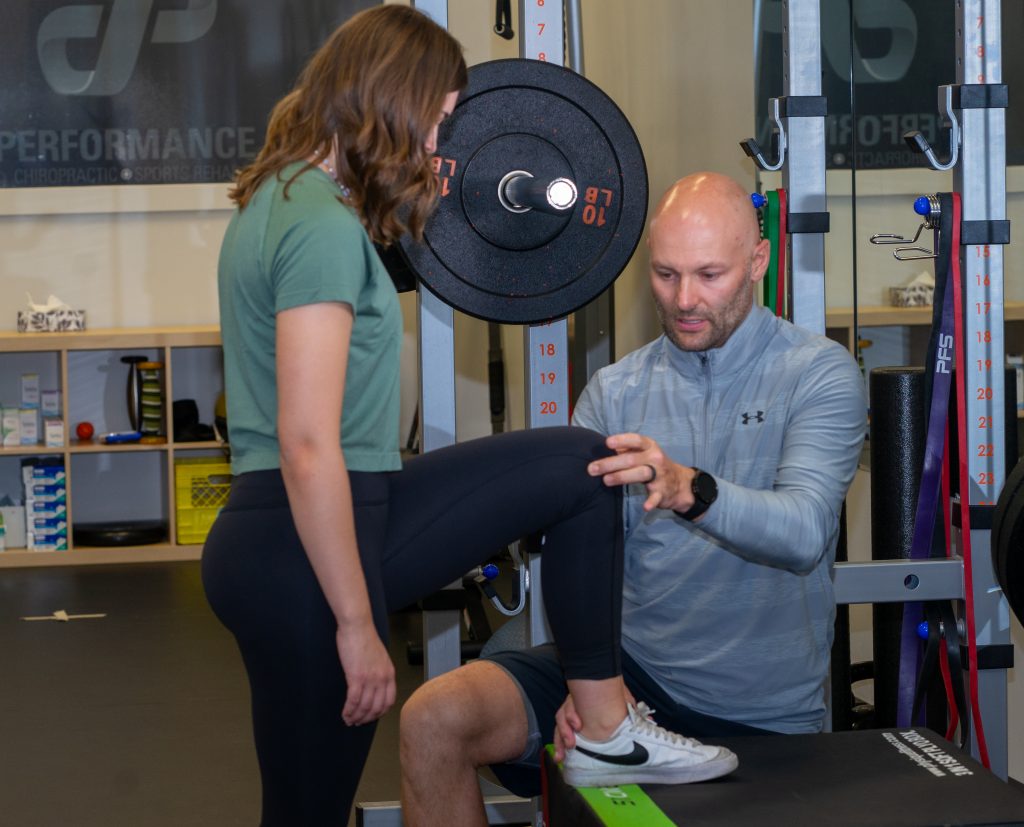
Care begins with a detailed assessment of skating history, injury mechanism, movement quality, and load tolerance. Treatment may include manual therapy to address joint and soft tissue restrictions, progressive strength and stability exercises targeting ankles, hips, and core, and neuromuscular retraining to improve balance and reaction. Rehabilitation is guided by functional testing and load progression principles commonly used in sports medicine, ensuring tissues are prepared for real skating demands rather than isolated gym tasks.
Inline skating combines repetitive push-off, sustained knee bend, lateral force transfer, and high-speed balance demands. These forces accumulate through the lower body and spine, especially when training volume increases, technique changes, or equipment setup is off. Understanding the mechanisms behind these injuries is essential for effective treatment rather than short-term symptom relief.
Long sessions and frequent training can overload tendons and joints, commonly affecting the Achilles tendon, patellar tendon, hip flexors, and lower back. Without adequate recovery and strength balance, microstrain builds faster than tissues can adapt, leading to persistent pain and reduced power.
Unexpected falls or contact with obstacles can cause wrist sprains, shoulder injuries, hip bruising, or spinal joint irritation. Even when fractures are avoided, the nervous system may guard injured areas, creating stiffness and altered movement patterns that linger if not properly addressed.
Limited ankle mobility, weak lateral hip muscles, or delayed core activation can disrupt efficient force transfer during push-off and glide. This often increases stress on the knees and lower back while reducing speed and endurance.
Skating before tissues regain load tolerance raises the risk of chronic pain and recurrent injury. Pain-free movement alone does not mean the body is ready for high-speed or high-volume skating demands.
Working with a qualified provider helps restore joint mobility, tissue capacity, and neuromuscular control specific to skating. Athletes often experience reduced pain, improved balance and edge control, better power generation, and clearer guidance on when and how to return to full training, leading to more consistent performance and fewer setbacks.
Timelines depend on the injury type, severity, and training demands. Minor overuse issues may improve within weeks, while traumatic or long-standing injuries often require a structured multi-phase rehab plan focused on rebuilding capacity.
Not always. Many athletes can continue modified skating or cross-training while rehabbing, as long as load is managed and symptoms are monitored. Decisions are based on tissue healing and movement quality, not just pain levels.
Yes. Addressing strength imbalances, mobility restrictions, and technique-related stressors reduces the likelihood of repeat injuries and supports long-term athletic development.
Athletes often ask about cost, visit frequency, and whether this care suits recreational or competitive skaters. Plans are tailored to individual goals, injury history, and season timing, with clear communication around progression and expectations. If you want a practical, sport-informed approach to managing pain and returning to inline skating in Edmonton, this service is designed to meet those needs.