

Targeted care for kite foiling athletes in Edmonton who want pain relief, structured rehab, and a safe return to riding after injury, this service focuses on diagnosing the true source of symptoms and rebuilding strength, control, and confidence so you can get back on the water with fewer setbacks; book an assessment to start moving forward.

Care begins with a detailed assessment of movement, joint function, and sport-specific demands, followed by hands-on therapy to address pain drivers, targeted exercise therapy to restore strength and control, and progressive loading plans that reflect real kite foiling conditions, using evidence-informed physiotherapy and chiropractic methods aligned with current musculoskeletal standards.
Kite foiling places unique loads on the body due to high speeds, variable wind forces, sudden directional changes, and long lever arms through the board and foil, which means injuries often behave differently than those from gym or field sports and require a sport-informed rehab approach.
Rapid pull from the kite combined with rotational falls can overload the shoulders, ribs, spine, hips, and knees, leading to joint sprains, labral irritation, muscle strains, and impact-related pain that may not settle without guided treatment.
Extended sessions and consecutive windy days can create cumulative stress on the lower back, hips, Achilles, and forearms, where tendons and stabilizing muscles fail to recover fully and begin to break down, increasing the risk of chronic pain.
Returning to riding too soon or modifying technique to avoid pain can shift stress to other areas of the body, often turning a manageable injury into a more complex pattern involving multiple joints or persistent movement restriction.
Without care that understands the mechanics of kite foiling, athletes may receive generic advice that does not address balance demands, unilateral loading, or water-based return-to-sport challenges, delaying recovery.
Working with a qualified provider helps reduce pain, restore joint mobility, and progressively rebuild strength, balance, and endurance so athletes can ride longer sessions, tolerate variable conditions, and feel confident loading the foil and kite without hesitation.
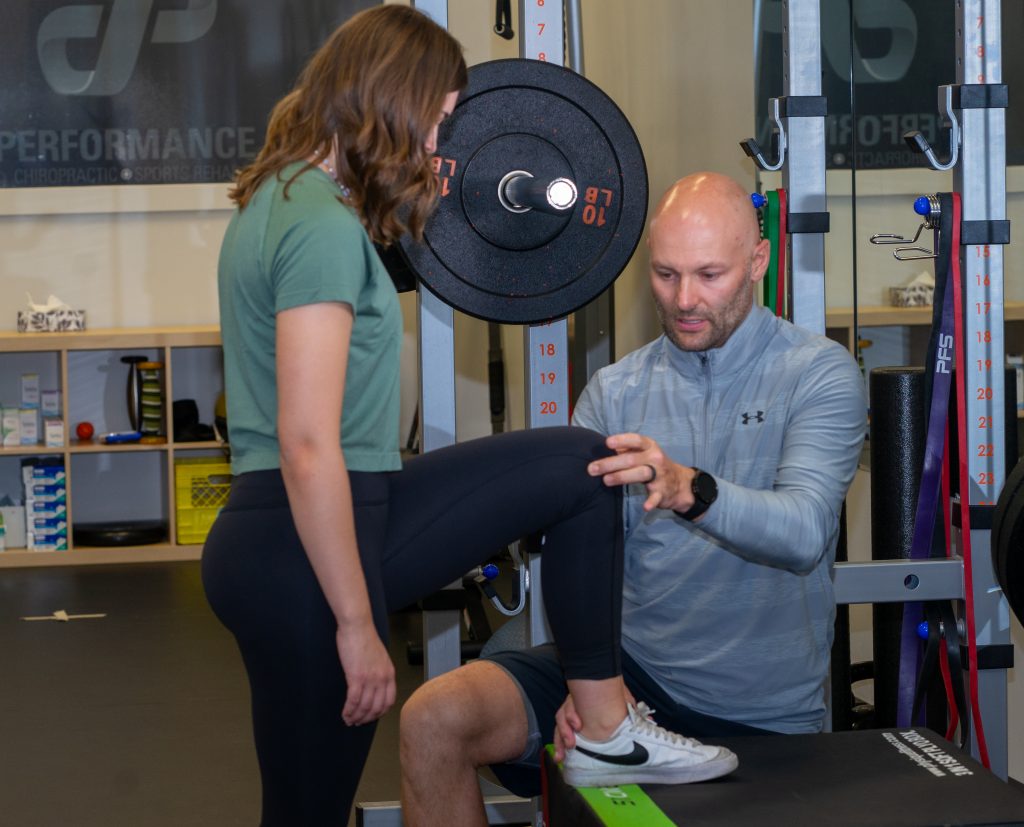
Timelines depend on the tissue involved, injury severity, and how well load is managed, with minor strains improving in weeks while tendon or joint injuries may require several months of structured rehab.
Imaging is not always required, as many kite foiling injuries can be accurately assessed through clinical examination, but referral for imaging may be recommended if red flags or poor progress are identified.
In many cases modified riding is possible, with clear guidelines on volume, intensity, and technique adjustments to protect healing tissues while maintaining fitness.
Most athletes want to know about cost, visit frequency, and whether treatment will fit their schedule; care plans are typically staged, focused on measurable progress rather than long-term commitments, and adjusted based on response so you know why each visit is recommended and how it supports your return to kite foiling.