

Targeted clinical care for riders in Edmonton dealing with pain, setbacks, or recovery needs after electric hydrofoil riding incidents, this service focuses on restoring movement, calming symptoms, and rebuilding confidence on the board through evidence-based rehabilitation; book an assessment to get a clear plan back to sport.
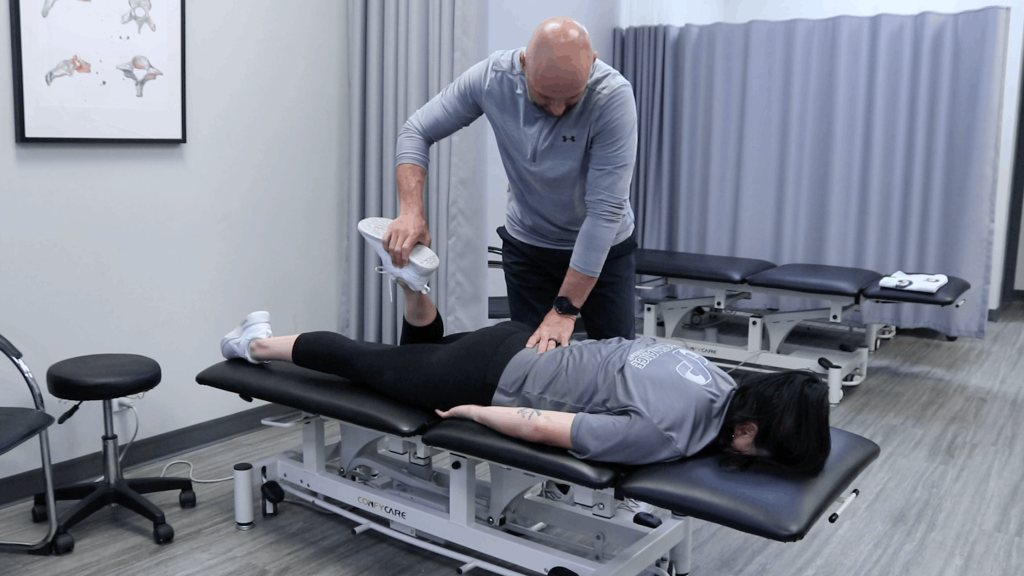
Care begins with a detailed history of the incident, riding style, and equipment, followed by physical examination of mobility, strength, and neurological function; treatment may combine manual therapy, progressive exercise, and movement retraining, with objective benchmarks guiding return-to-ride decisions and education on warm-ups, recovery, and load management aligned with current rehabilitation standards.
Electric hydrofoils place unique demands on balance, reaction time, and joint control while adding speed and torque from the motor, which means injuries often involve a mix of acute trauma and overuse strain; understanding the mechanisms helps prevent small issues from becoming season-ending problems.
Unexpected breaches or nose dives can lead to rapid deceleration and awkward water impact, commonly stressing the shoulder, ribs, neck, and lower back; without proper assessment, riders may continue with compensatory movement patterns that delay healing.
Prolonged semi-squat posture with asymmetrical foot placement can overload ankles, knees, and hips, particularly the lead leg, increasing risk of tendinopathy or joint irritation that worsens if training volume resumes too quickly.
Steering corrections and foil lift changes transmit rotational forces through the trunk, which can aggravate disc-related back pain or abdominal wall strains, especially when core endurance is insufficient for longer sessions.
Cold water and adrenaline often mask pain initially, so riders may underestimate injuries; returning too soon can convert a manageable strain into a chronic issue requiring longer rehabilitation.
Working with a qualified clinician delivers clearer diagnosis, faster symptom resolution, and a safer return to riding by addressing both tissue healing and sport-specific control; outcomes typically include reduced pain, improved joint stability, better balance reactions, and confidence to progress skills without fear of re-injury.
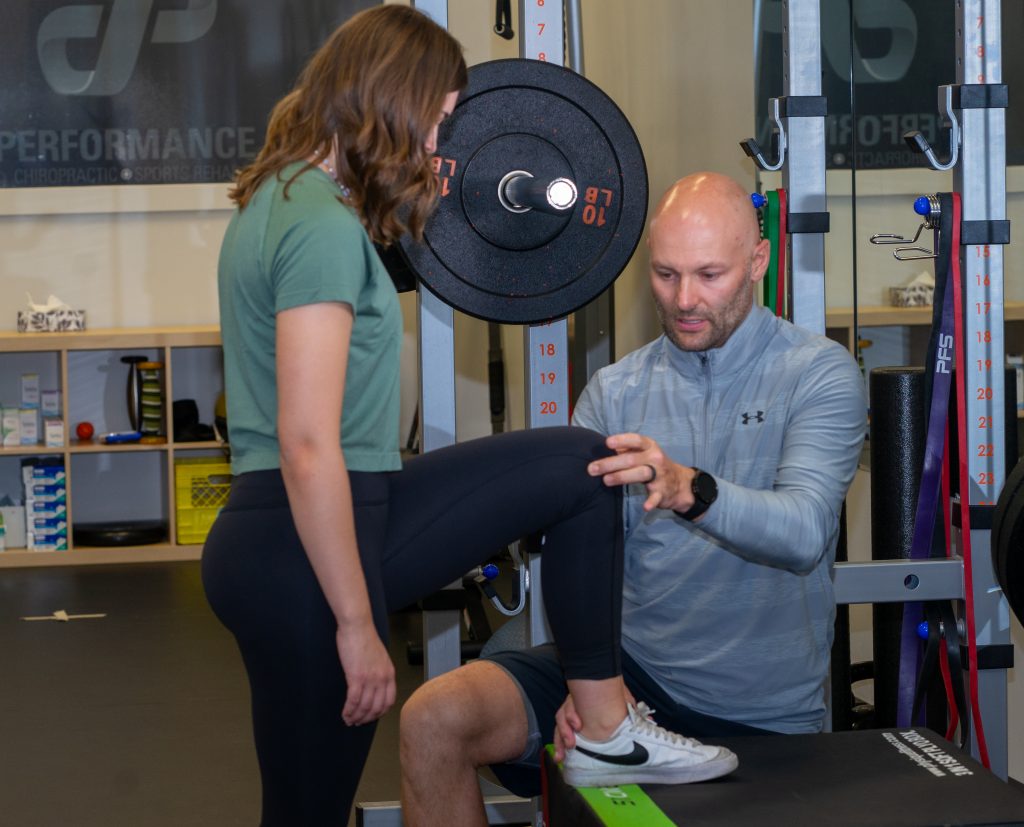
Timelines depend on injury type and severity; minor strains may settle within weeks, while ligament or disc-related issues can require several months of guided progression, with milestones reviewed regularly.
Most cases can begin with clinical assessment; imaging such as ultrasound or MRI is considered if red flags appear or progress stalls, ensuring decisions are based on clear indications.
Often yes, with modifications; cross-training and controlled drills are used to maintain fitness while protecting healing tissues, and progression is adjusted based on symptoms and objective testing.
Costs are influenced by assessment complexity and number of sessions rather than one-size pricing, no referral is typically required, and athletes can expect a collaborative plan that prioritizes safety, performance goals, and clear communication throughout recovery.