

Get evidence-based physiotherapy from licensed professionals in Edmonton with coverage aligned to CPA member insurance plans, focused on reducing pain, restoring movement, and helping you return to daily life with confidence; book an assessment to see if this option fits your needs.
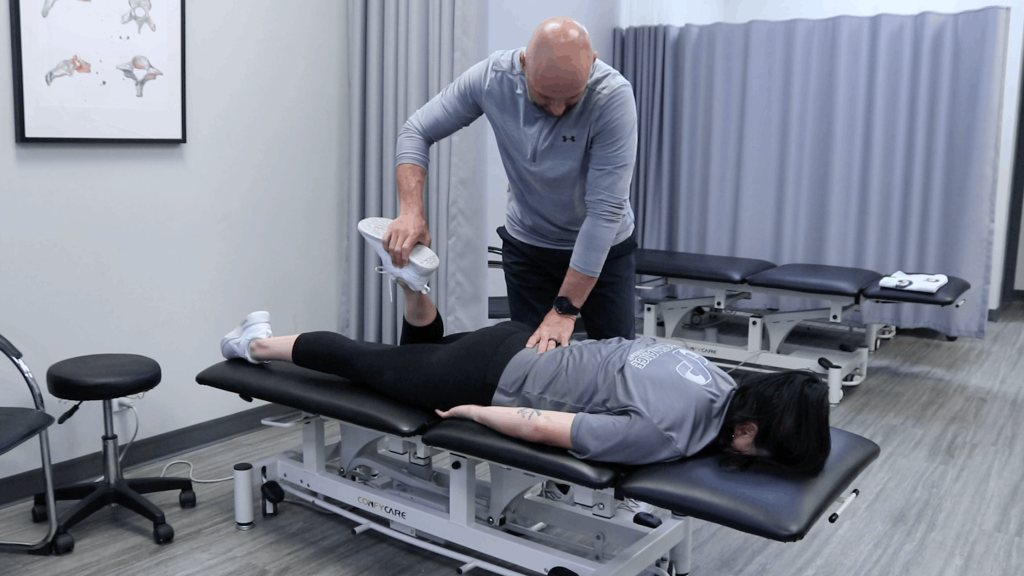
Care begins with a detailed assessment including history, movement analysis, and relevant orthopedic or neurological tests, followed by an individualized plan using manual therapy, therapeutic exercise, and education; documentation is completed in line with common insurer requirements, and progress is reviewed regularly to adjust intensity and techniques based on response and current best practices.
Pain that interferes with work, sleep, or activity often leads people to look for physiotherapy that is both clinically sound and compatible with their extended health benefits, especially when symptoms persist beyond self-care.
Back, neck, shoulder, hip, and knee pain commonly arise from strain, repetitive loading, or poor movement patterns, and when untreated these issues can become chronic, making tasks like sitting, lifting, or walking uncomfortable and unpredictable.
Workplace injuries, motor vehicle incidents, and sports trauma often require clear assessment findings and progress notes that align with insurer expectations, as gaps in care or unclear reporting can delay recovery and reimbursement.
Lingering pain after rest usually signals underlying movement faults, joint restrictions, or tissue sensitivity that need hands-on assessment and progressive loading rather than generic exercises found online.
Physiotherapy delivered without adherence to professional guidelines can miss red flags, apply inappropriate techniques, or fail to progress treatment, increasing the risk of prolonged pain and unnecessary out-of-pocket costs.
Working with a provider whose care fits CPA-related insurance expectations supports consistent treatment, measurable progress, and clear communication, leading to reduced pain, better mobility, and a safer return to work, sport, or daily activities.

Most extended health plans do not require a physician referral for physiotherapy, but some insurers request one for initial or ongoing coverage, so it is important to check your specific policy before starting.
Payment is typically made at the time of the visit, after which receipts or electronic submissions can be sent to your insurer, and coverage depends on your plan limits, deductible, and annual maximums.
Muscle and joint pain, post-injury stiffness, nerve-related symptoms, and movement-related aches often respond well when addressed early with a structured physiotherapy program.
Expect an initial assessment appointment, wear comfortable clothing, and bring insurance details if applicable; timelines and costs vary based on complexity and frequency of visits, but choosing a qualified provider helps ensure your time and benefits are used effectively.