

At Performance Chiropractor + Physiotherapy, our focused rehabilitation programs help Edmonton athletes recover from fractures, stress injuries, and joint trauma with a clear, performance-driven plan. If pain, instability, or loss of strength is holding you back from training or competition, we address the underlying structural and biomechanical factors so you can rebuild safely and return to sport with confidence. Book an assessment to understand exactly what your injury needs and how to move forward.
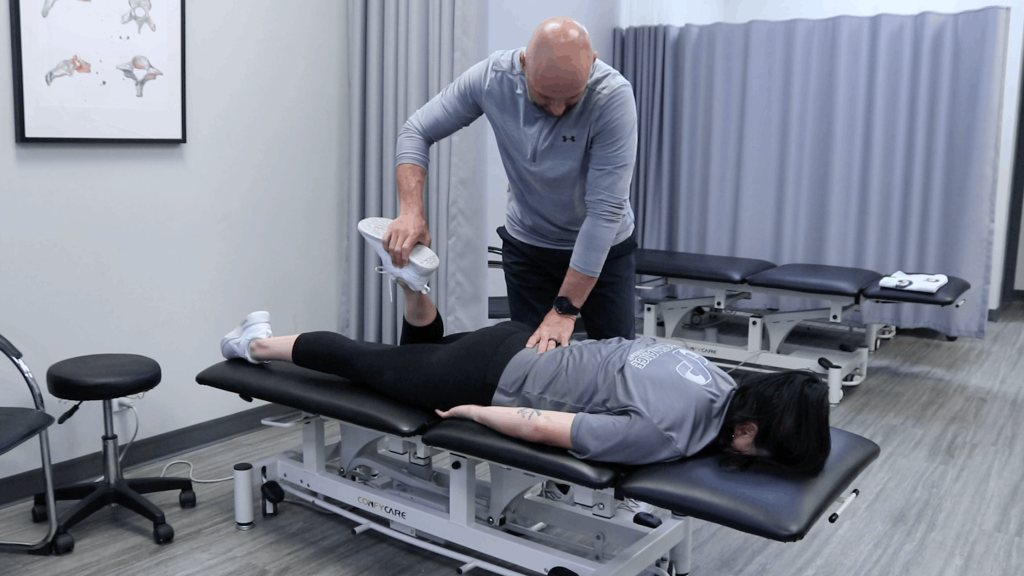
Rehabilitation begins with a comprehensive assessment including clinical testing, review of imaging when available, and evaluation of movement patterns relevant to your sport. We respect tissue healing biology while introducing early, appropriate loading to stimulate bone remodelling and prevent deconditioning. Treatment may include manual therapy to address joint restrictions, progressive resistance training, balance and proprioceptive drills, plyometric progression, and sport-specific retraining. Load is advanced based on objective criteria rather than arbitrary timelines, following evidence-informed return-to-sport principles used in contemporary sports medicine.
Bone and joint injuries in sport rarely happen in isolation. They are usually the result of repetitive loading errors, contact trauma, movement inefficiencies, or premature return to play. Without structured rehabilitation, athletes face risks such as delayed union, chronic instability, altered biomechanics, and secondary injuries in adjacent joints. Understanding these mechanisms is essential to building a recovery plan that restores structural integrity and performance capacity.
Acute fractures often result from high-impact collisions, falls, or abrupt torsional forces that exceed the bone’s load tolerance. Stress reactions and stress fractures develop more gradually when repetitive loading outpaces the body’s ability to remodel bone, particularly during spikes in training volume, changes in surface, or inadequate recovery. Factors such as low energy availability, hormonal imbalances, or suboptimal biomechanics can further compromise bone resilience and increase susceptibility.
When a skeletal injury involves a joint, such as an intra-articular fracture or dislocation, the risk profile changes. Cartilage irritation, ligament strain, and joint capsule stiffness can limit range of motion and disrupt neuromuscular control. If these deficits are not addressed, athletes may compensate through adjacent regions, increasing stress on the spine, hips, knees, or shoulders and setting the stage for re-injury.
Pain reduction alone does not mean tissue readiness. Bone healing follows predictable biological phases, but the surrounding muscles, tendons, and proprioceptive systems also require progressive loading to restore capacity. Returning to sport without restoring strength symmetry, impact tolerance, and sport-specific movement patterns significantly raises the likelihood of re-fracture, chronic pain, or performance decline.
Fear of re-injury is common after a significant skeletal event. Protective guarding, hesitation in high-speed movements, and avoidance of contact can alter mechanics and reduce competitive performance. Structured rehabilitation that combines graded exposure, objective strength testing, and measurable milestones helps rebuild both physical resilience and psychological confidence.
How Skeleton Injury Rehab in Edmonton Restores Strength and Stability
Working with a qualified chiropractor and physiotherapist ensures that bone healing timelines, load management, and sport demands are aligned. Athletes can expect progressive improvements in weight-bearing tolerance, joint mobility, force production, and impact control. Objective measures such as range of motion, dynamometry, hop testing, and movement analysis guide return-to-play decisions, helping you resume training with reduced pain, balanced strength, and improved biomechanical efficiency.
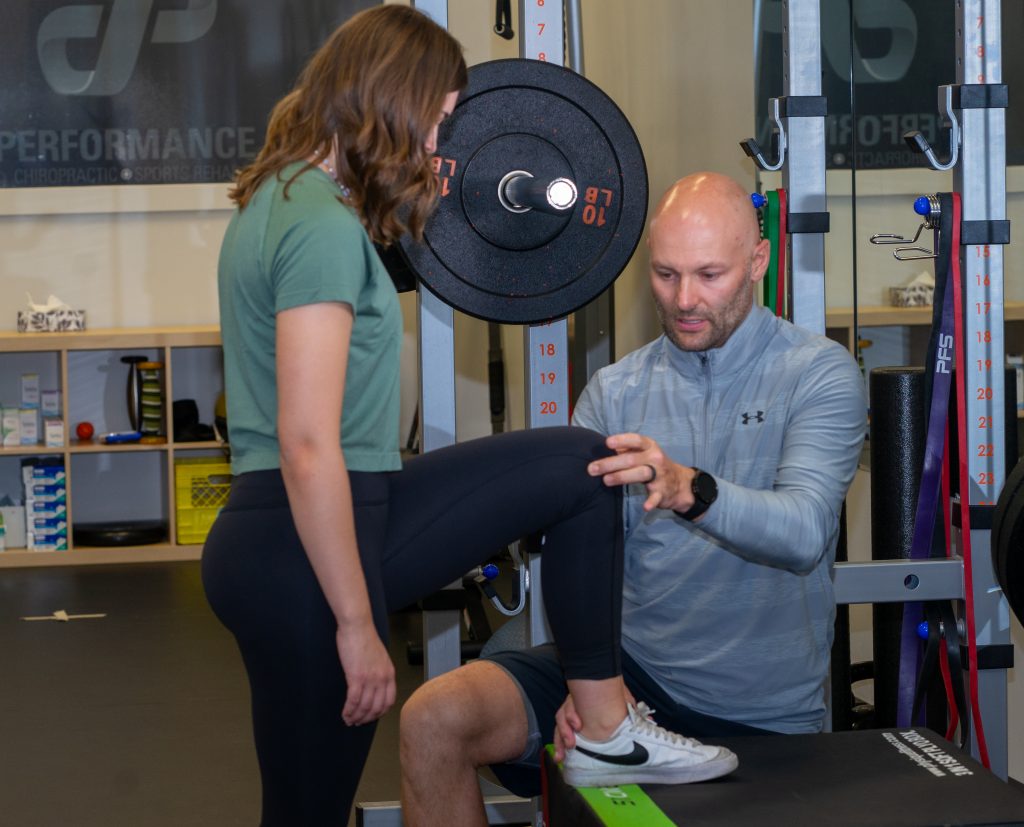
Timelines depend on the type and severity of the injury, its location, your age, nutrition, and training history. Uncomplicated fractures may require several weeks before higher-load training resumes, while stress injuries can vary based on grading. We outline realistic phases early on and adjust based on symptoms, function, and, when applicable, medical clearance.
In many cases, yes. We often modify rather than eliminate activity, maintaining cardiovascular fitness and strength in unaffected regions while protecting the injured structure. Cross-training strategies are selected to minimize mechanical stress on the healing bone while supporting overall conditioning.
If a fracture or significant stress injury is suspected, imaging such as X-ray or MRI is important for diagnosis and grading. If you already have imaging, we integrate those findings into your plan. If not, we can help determine whether referral for imaging is appropriate based on clinical examination findings.
If you are an athlete in Edmonton dealing with a fracture, stress reaction, or joint-related bone injury, early and structured care can make the difference between a full return and lingering setbacks. At Performance Chiropractor + Physiotherapy, we focus on restoring load tolerance, movement quality, and competitive confidence so you can train and compete at your best again.