

Disc golf places high rotational and repetitive demands on the shoulder, elbow, spine, and hips, and when pain limits your throws or keeps you off the course, targeted rehab can make the difference between ongoing frustration and a confident return to play. At Performance Chiropractor + Physiotherapy in Edmonton, we help athletes overcome disc golf–related injuries through sport-specific assessment, hands-on care, and progressive strength programming designed around how you actually throw. If pain, stiffness, or reduced distance is affecting your game, we’re here to help you rebuild capacity and get back to competing at your best.
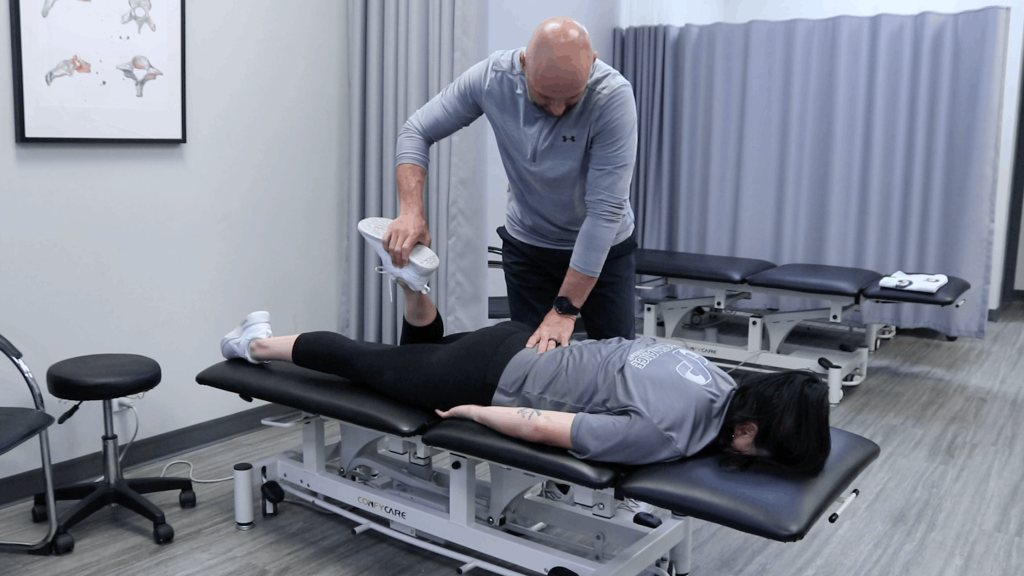
We begin with a detailed assessment of your throwing mechanics, mobility, strength, and training load. This may include movement screening, range of motion testing, resisted strength testing, and analysis of pain triggers. Treatment can involve hands-on therapy such as joint mobilization, soft tissue techniques, and guided therapeutic exercise. We then design a progressive rehab plan that builds capacity in the rotator cuff, scapular stabilizers, core, and hips while addressing technique and load management. As symptoms settle, we introduce a structured return-to-throw program, gradually increasing intensity and volume so tissues adapt safely. Throughout care at our Edmonton clinic, progress is measured and exercises are advanced to match your sport demands.
The throwing mechanics of disc golf involve rapid trunk rotation, shoulder external rotation, and forceful elbow extension, often performed hundreds of times in practice and competition. Without adequate mobility, strength, and load management, tissues can become overloaded. Understanding the common injury drivers in this sport helps explain why targeted rehab is essential rather than generic rest or random exercises.
The backhand and forehand throws generate torque through the lumbar spine and hips. Limited hip internal rotation or poor trunk control can shift stress to the lower back, leading to facet irritation, disc-related pain, or muscle strains. Over time, repeated high-velocity rotation without adequate core endurance increases the risk of persistent low back pain that does not resolve with simple stretching.
The shoulder experiences rapid cocking and acceleration phases similar to other overhead sports. Weakness in the rotator cuff or scapular stabilizers can result in impingement symptoms, labral irritation, or biceps tendon pain. Athletes often notice decreased distance, pain at the end of the throw, or lingering soreness after rounds, all signs that the joint is not tolerating current loads.
Forehand throws place significant valgus stress on the elbow, challenging the medial structures and flexor tendon group. Without progressive conditioning, players may develop medial elbow pain similar to golfer’s elbow. Ignoring early warning signs can lead to chronic tendinopathy that limits both power and accuracy.
Rapid increases in play frequency, tournament schedules, or field work sessions can exceed tissue capacity. When recovery strategies and strength training lag behind throwing volume, micro-irritations accumulate. This mismatch between load and capacity is a primary driver of persistent disc golf injuries and recurring flare-ups.
Working with a qualified chiropractor and physiotherapist means your rehab is built around your mechanics, training history, and goals. You can expect improved joint mobility where it is restricted, greater rotator cuff and core strength, better hip control, and a clear return-to-throw progression. The result is not just symptom relief, but increased load tolerance so you can practice and compete with confidence, reduce re-injury risk, and often improve consistency and distance as movement efficiency improves.
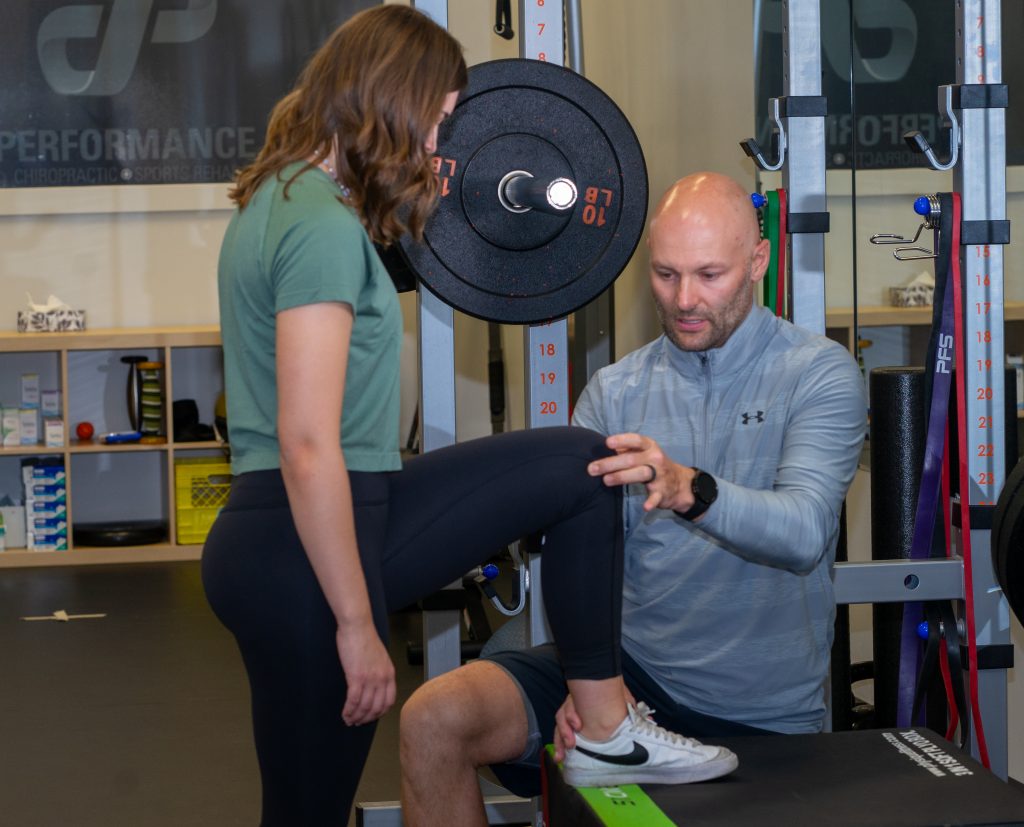
Recovery timelines depend on the tissue involved, how long symptoms have been present, and how consistently rehab is followed. Mild strains may improve within a few weeks, while chronic tendon or spine issues can require several months of progressive loading. Early assessment and a structured plan generally shorten overall downtime compared to rest alone.
Not always. In many cases, we modify volume, intensity, or specific throw types rather than eliminating play entirely. Strategic deloading combined with targeted exercises allows irritated tissues to calm down while maintaining general conditioning and skill work.
Sport-specific rehab analyses the exact biomechanical demands of your throws and builds strength and mobility accordingly. Instead of generic shoulder or back exercises, your program mirrors the rotational and acceleration forces seen in disc golf, making the transition back to full play smoother and more durable.
If pain is limiting your distance, accuracy, or enjoyment of the game, a tailored rehab plan can restore function and resilience. At Performance Chiropractor + Physiotherapy in Edmonton, we focus on identifying the true drivers of your symptoms and building a plan that supports long-term performance. Book an assessment to take the first step toward stronger, pain-free throws.