

Hip hop dancers in Edmonton push their bodies through explosive power, rapid level changes, floorwork, and repeated impact, which can lead to stubborn pain and performance-limiting injuries. At Performance Chiropractor + Physiotherapy, we provide focused assessment and rehab for athletes who need to get back to training, rehearsals, and battles safely and efficiently. Our care targets the true source of pain, restores strength and control, and builds resilience specific to hip hop demands, so you can move with confidence again. Book an assessment to start a clear, sport-specific recovery plan.
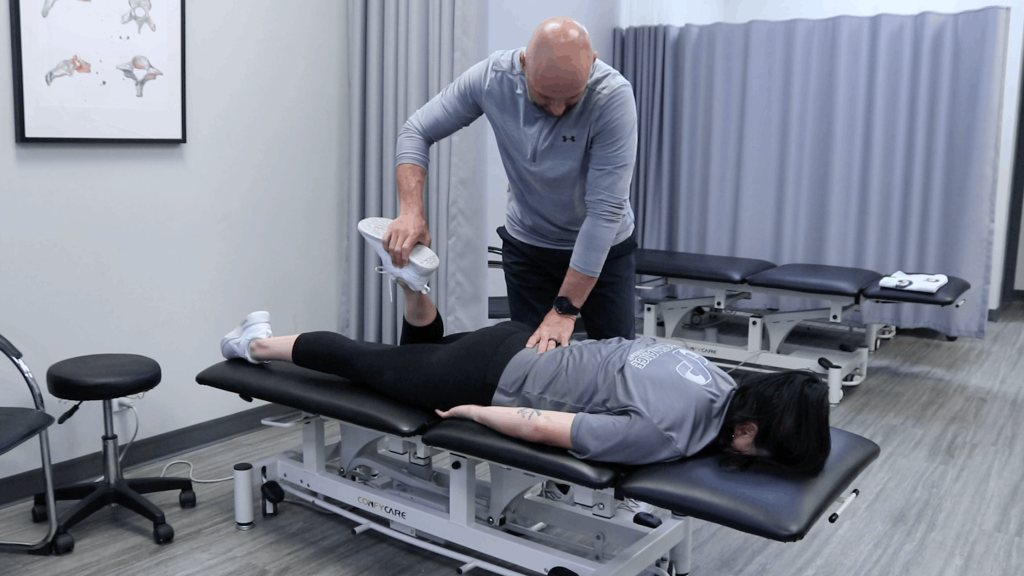
Care begins with a detailed history of your training load, choreography demands, and performance goals, followed by a physical assessment of joint mobility, strength, power, landing mechanics, and movement control. At Performance Chiropractor + Physiotherapy, we use hands-on therapy where appropriate to reduce pain and improve mobility, combined with progressive strength training, tendon loading protocols, neuromuscular retraining, and graded plyometrics. We integrate evidence-informed rehabilitation principles and adapt exercises to replicate specific moves such as freezes, spins, and jumps, ensuring a safe and performance-driven return to dance.
Hip hop places unique mechanical loads on the body, combining plyometrics, deep squats, spins, freezes, and repetitive transitions between standing and floor positions. When training volume, technique, recovery, or strength capacity do not match these demands, tissue overload and compensations develop. Understanding the underlying causes helps prevent recurring pain and long layoffs.
Moves such as jumps, drops, and rapid directional changes create high forces through the ankles, knees, hips, and spine. When rehearsals are frequent and recovery is limited, tendons and joint surfaces may not adapt quickly enough, leading to patellar or Achilles tendinopathy, hip flexor strains, or low back irritation. Without progressive strength and load management, microtrauma accumulates and performance declines.
Weight-bearing through the hands during freezes, hand glides, and transitions demands strong scapular control and wrist stability. Limited shoulder mobility or poor load distribution can increase compression at the shoulder joint or strain the wrist ligaments. Over time, dancers may develop impingement symptoms, labral irritation, or persistent wrist pain that limits power moves.
Deep flexion, extension, and rotation under speed require coordinated core and hip strength. If the glutes and deep abdominal muscles do not stabilize the pelvis, the lumbar spine absorbs excess motion and load. This often presents as recurring low back tightness, hip pinching, or sacroiliac discomfort, especially after long rehearsals.
Many dancers train through pain before competitions or performances. Masking symptoms without addressing mechanics can allow minor strains to evolve into chronic tendinopathy, cartilage irritation, or stress reactions. Early, sport-specific intervention reduces the risk of prolonged time away from dance and secondary injuries from compensation.
Working with a qualified provider means your rehab reflects the real demands of hip hop rather than generic exercise sheets. You gain a clear diagnosis, targeted pain reduction strategies, progressive strength and plyometric training, and movement retraining that mirrors choreography and battles. The result is reduced pain, improved power and control, better joint stability during floorwork and landings, and greater confidence when returning to full-intensity practice.
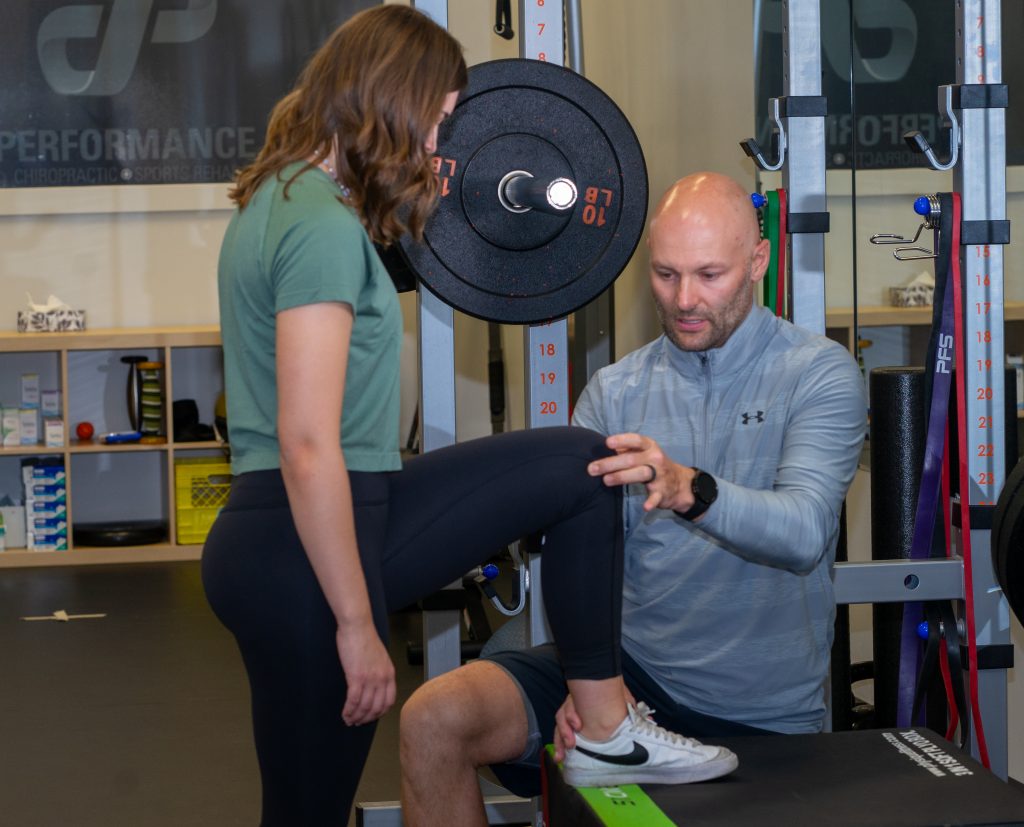
Recovery timelines depend on the tissue involved, severity, and how long symptoms have been present. Mild strains may improve within a few weeks, while tendon or joint irritation can require a structured 6 to 12 week loading program. We provide clear return-to-dance criteria based on strength, pain levels, and functional testing rather than arbitrary dates.
Costs vary depending on assessment complexity and number of sessions required. Many extended health benefit plans in Alberta include coverage for physiotherapy and chiropractic services. We outline a treatment plan with expected visit frequency so you can plan both time and financial commitment.
In most cases, complete rest is not necessary and may slow recovery. We modify your training volume and movements to protect the injured area while maintaining conditioning and skill work. This approach preserves fitness and supports a smoother transition back to full choreography.
If you are dealing with persistent pain, limited mobility, or reduced power in your routines, targeted rehab can make the difference between recurring setbacks and sustainable performance. Hip hop demands strength, control, and resilience, and your treatment should reflect that. Contact Performance Chiropractor + Physiotherapy in Edmonton to discuss your symptoms and build a plan that gets you back to dancing at your best.