

Orienteering Injury Chiropractor in Edmonton at Performance Chiropractor + Physiotherapy provides sport-specific assessment, hands-on treatment, and structured rehab for athletes navigating uneven terrain, steep climbs, and high training volumes. If you are dealing with ankle sprains, knee pain, hip tightness, or back stiffness that limit your speed and confidence in the forest, our Edmonton team focuses on identifying the mechanical cause of your pain and guiding you safely back to racing. We combine chiropractic care and physiotherapy-based rehabilitation to restore mobility, strength, and control so you can train and compete with confidence—book an assessment to start your recovery plan.
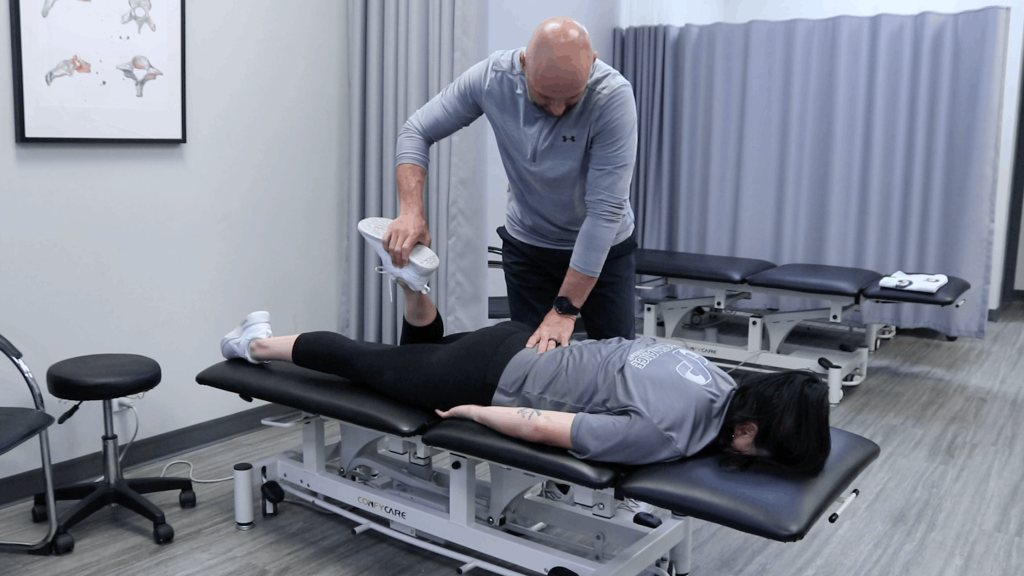
Your care begins with a detailed history of training volume, terrain exposure, footwear, and prior injuries, followed by movement analysis including gait assessment, single-leg stability testing, joint mobility screening, and strength evaluation. Treatment may include joint mobilization or manipulation to restore restricted motion, soft tissue therapy to reduce excessive tone, and targeted rehabilitation exercises focused on balance, eccentric strength, and hip control. We integrate load management principles and progressive return-to-sport guidelines to align with current sports medicine standards, ensuring that improvements in the clinic transfer to the trail.
Orienteering combines endurance running with rapid direction changes, off-trail terrain, and constant visual scanning of maps, which creates unique physical demands. Repeated impact on uneven ground, sudden deceleration on descents, and prolonged forward-leaning posture can overload specific joints and tissues. Without targeted mobility, strength, and proprioceptive training, small deficits compound over time and lead to pain, reduced performance, and increased injury risk.
Frequent foot placement on roots, rocks, and sloped ground challenges the ankle’s stabilizing muscles and ligaments. Inadequate proprioception or previous sprains can delay neuromuscular response, increasing the likelihood of recurrent ankle sprains, peroneal tendon irritation, or chronic instability. These issues often persist if only rest is used without retraining balance and joint control.
Downhill segments increase eccentric load on the quadriceps and patellar tendon while amplifying compressive forces at the knee. Poor hip control or limited ankle mobility shifts stress forward, contributing to patellofemoral pain, IT band irritation, or tendon-related symptoms. Without correcting mechanics and load management, athletes may experience recurring flare-ups during high-intensity training blocks.
High weekly mileage combined with lateral movement and side-hill running can create asymmetrical loading through the hips and pelvis. Weak gluteal muscles or restricted hip extension may lead to compensatory lumbar spine movement, hamstring tightness, or groin strains. Over time, these patterns reduce stride efficiency and increase strain on adjacent joints.
Holding a map while running and repeatedly flexing or rotating the neck places sustained demand on the cervical and upper thoracic spine. Stiffness in these regions can trigger headaches, shoulder tension, and reduced trunk rotation, which affects arm swing and overall running rhythm. Addressing spinal mobility and postural endurance is key to long-term symptom relief.
Working with a clinician who understands the biomechanics of off-road racing helps you move beyond short-term symptom relief. You can expect a clear diagnosis, improved joint mobility where it is restricted, stronger and more responsive stabilizing muscles, and a progressive return-to-run plan that respects tissue healing timelines. The goal is not only to reduce pain, but to enhance balance, stride efficiency, and downhill control so you can train consistently and compete with greater confidence on Edmonton’s varied terrain.
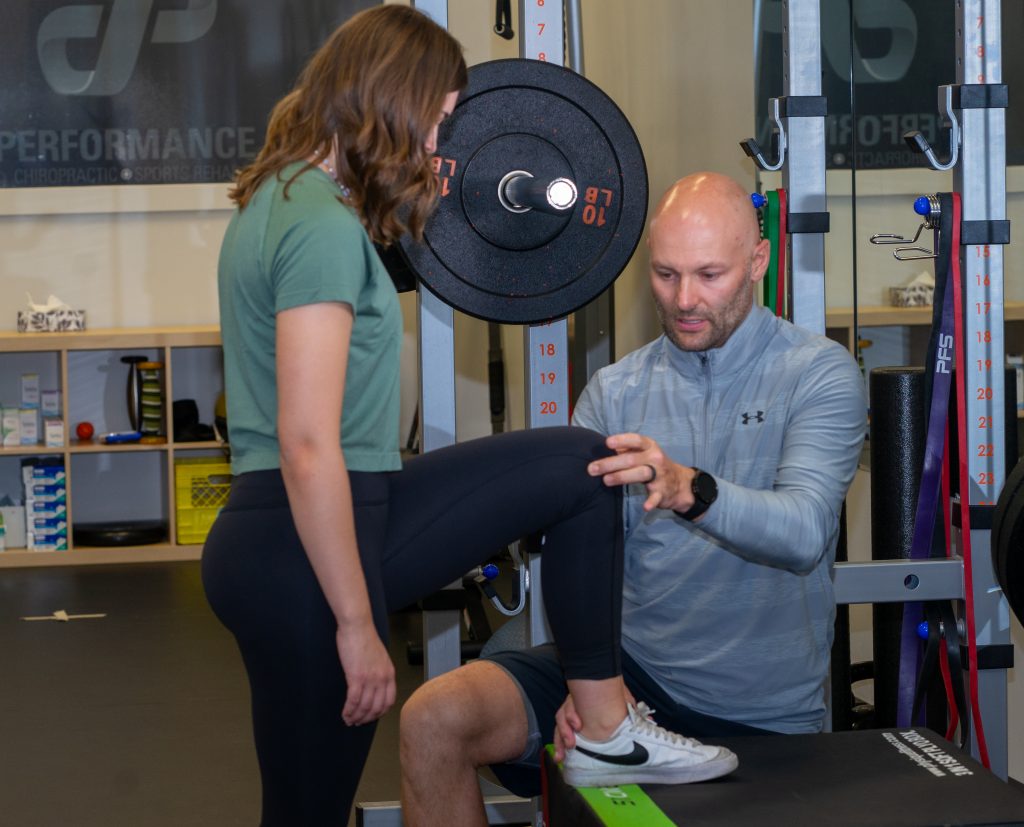
Timelines depend on the specific tissue involved, severity of injury, and how early care begins. Mild overuse conditions may improve within a few weeks with proper load modification and rehab, while ligament sprains or persistent tendon issues can require a structured plan over several weeks to months to safely restore full function.
In most cases, a thorough clinical examination is sufficient to guide treatment. Imaging such as X-ray or MRI is considered if there are red flags, suspected fractures, or symptoms that do not respond as expected. We will discuss referrals if they are clinically indicated.
Often yes, with modifications. Rather than complete rest, we typically adjust intensity, terrain, and volume to maintain cardiovascular fitness while protecting healing tissues. Clear guidelines help you stay active without aggravating the injury.
If pain is limiting your training or affecting your race performance, early assessment can prevent minor issues from becoming chronic problems. Our Edmonton team focuses on evidence-informed care, transparent communication, and practical strategies that fit your training schedule. We will outline expected costs, frequency of visits, and home exercises from the start so you know what to expect and can make informed decisions about your recovery.