

Sport Climbing Injury Rehab in Edmonton is designed for dedicated climbers who want to return to the wall stronger, not just pain-free. Whether you are dealing with finger pulley pain, elbow tendinopathy, shoulder instability, or a stubborn tweak from a dynamic move, our team at Performance Chiropractor + Physiotherapy in Edmonton provides structured, evidence-informed rehab tailored to the specific demands of bouldering, lead, and competition climbing. We focus on identifying the true mechanical cause of your pain, rebuilding tissue capacity, and guiding a safe progression back to hard training so you can climb with confidence again. Book an assessment to get a clear plan built around your goals.
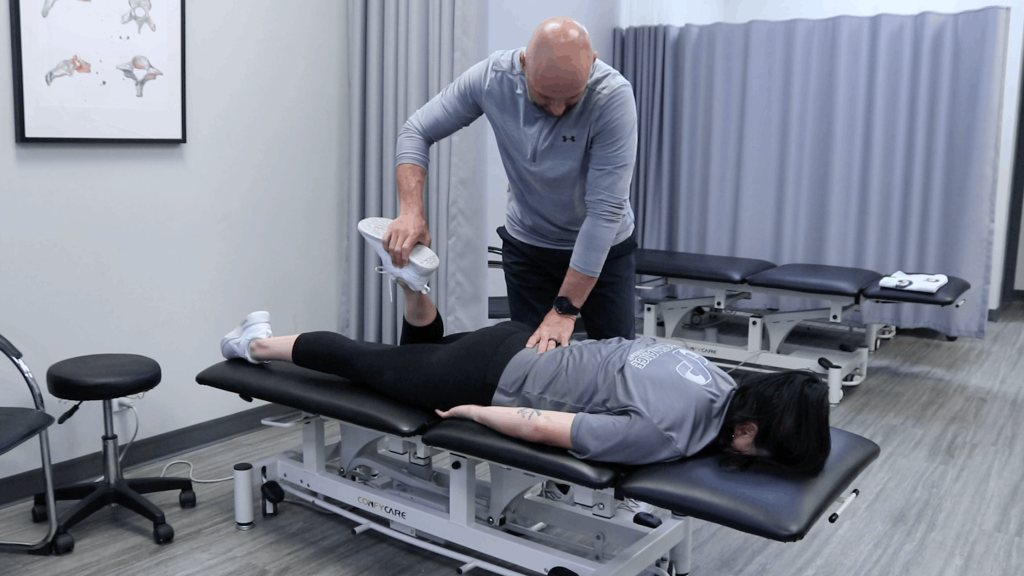
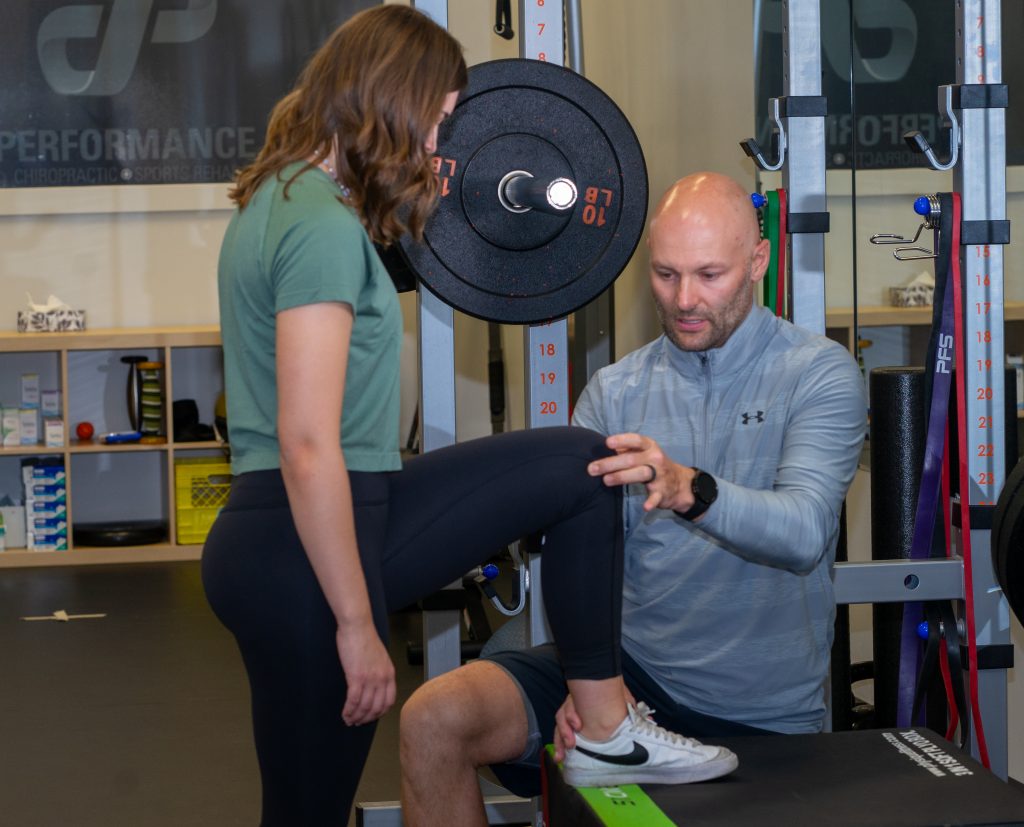
We begin with a detailed assessment of your injury history, climbing style, training volume, and specific aggravating holds or movements. Physical testing may include grip strength dynamometry, range of motion assessment, resisted muscle testing, and functional climbing simulations. From there, we design a progressive loading program using evidence-based principles for tendon and ligament adaptation, incorporating isometrics, tempo-controlled strengthening, fingerboard protocols when appropriate, and shoulder stabilization drills. We coordinate manual therapy, joint mobilization, and soft tissue techniques as needed to manage symptoms, while prioritizing active rehab. Return-to-climb progressions are planned step by step, with clear criteria for advancing intensity, so you can resume bouldering or lead climbing in Edmonton with reduced risk.
Climbing places unique, high-load demands on small connective tissues, especially in the fingers, elbows, and shoulders. Injuries often develop gradually from repeated crimping, dynamic loading, and high training volumes, and they tend to linger when athletes return to climbing without restoring tissue capacity, joint control, and movement efficiency.
Closed crimp positions increase force through the A2 and A4 pulleys, sometimes exceeding several times bodyweight during hard moves. Sudden increases in volume, projecting without adequate rest, or campus board training before tissues are conditioned can lead to partial pulley strains or flexor tendon irritation. Without progressive loading and careful grip modification, these injuries can become chronic and limit long-term performance.
Medial and lateral elbow pain in climbers is commonly linked to repetitive high-force finger flexion and wrist stabilization. When forearm tendons are exposed to more load than they can adapt to, microscopic tendon changes accumulate, resulting in persistent pain with pulling and locking off. Simply resting is rarely enough; tendons require graded loading to stimulate recovery and restore strength.
Overhead reaches, gastons, and dynamic catches challenge shoulder stability in extreme ranges. Weakness or poor timing in the rotator cuff and scapular stabilizers can allow excessive joint translation, contributing to impingement or labral irritation. Without targeted strength and motor control work, pain often returns as soon as intensity increases.
Rapid changes in frequency, intensity, or style, such as transitioning from slab to steep overhangs, can overwhelm tissues that are not yet prepared. Inadequate rest, poor warm-up habits, and limited antagonist or mobility training further increase risk. A structured plan that manages load progression is critical to prevent re-injury.
Working with a provider experienced in Sport Climbing Injury Rehab in Edmonton means your program reflects the biomechanics and demands of real climbing, not generic shoulder or elbow exercises. You receive a clear diagnosis, objective strength and mobility testing, and a phased plan that restores tissue capacity, improves grip and shoulder control, and gradually reintroduces board work, projecting, and dynamic movement. The outcome is not only reduced pain, but measurable gains in resilience, movement efficiency, and confidence on the wall.
Timelines depend on the tissue involved and the severity of the injury. Mild tendon irritation may improve within several weeks with consistent loading, while pulley injuries or chronic tendinopathy can require a few months of structured progression. Your plan will include realistic milestones so you know what to expect.
In many cases, yes, with modifications. We often adjust hold types, volume, or intensity rather than stopping completely. Strategic deloading combined with targeted exercises helps maintain conditioning while allowing irritated tissues to recover.
Not always. A thorough clinical assessment often provides enough information to guide treatment. If signs suggest a more significant tear or joint injury, we will discuss referral for appropriate imaging in Edmonton and coordinate your care accordingly.
If finger, elbow, or shoulder pain is limiting your sessions, early, structured care can prevent a minor issue from becoming a season-ending problem. At Performance Chiropractor + Physiotherapy in Edmonton, we provide individualized plans grounded in biomechanics and progressive loading so you can return to climbing with strength and control. Reach out to start a focused rehab plan built around your goals on the wall.