

Spartan Race Injury Support in Edmonton is designed for obstacle course athletes who are dealing with pain, setbacks, or stalled performance before or after race day. At Performance Chiropractor + Physiotherapy in Edmonton, we help you recover from trail running strains, obstacle-related shoulder injuries, grip overload, and impact trauma using sport-specific assessment and rehabilitation. If you want a clear plan that reduces pain, rebuilds strength, and gets you back to training with confidence, our team is ready to help you move forward safely.
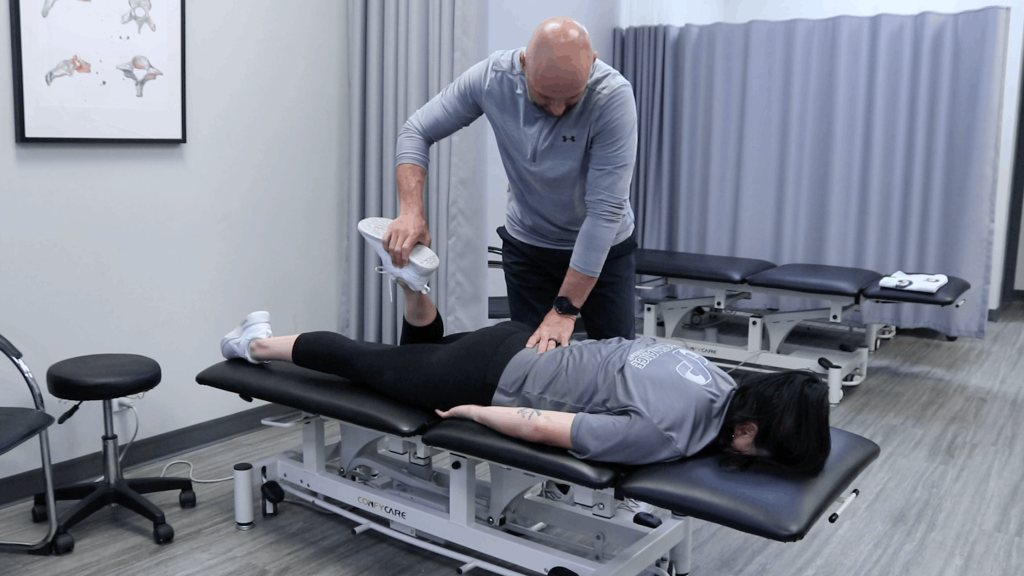
Your care begins with a detailed assessment of injury history, race goals, training volume, and biomechanics. We evaluate running gait, single-leg strength, shoulder stability, grip endurance, and core control to identify the true driver of pain. Treatment may include hands-on therapy to reduce pain and improve mobility, progressive loading programs to remodel tendons and strengthen key muscle groups, and movement retraining for obstacles such as rope climbs or carries. We follow evidence-informed rehabilitation principles, including graded exposure and load management, so tissues adapt safely to increasing demands. As symptoms improve, we integrate sport-specific drills that mirror race conditions to ensure you are prepared for real-world performance.
Obstacle course racing combines trail running, heavy carries, climbing, crawling, and explosive efforts under fatigue. This unique mix creates predictable stress patterns on joints, tendons, and connective tissue, especially when training volume increases quickly or technique breaks down late in a race. Without targeted rehab, minor pain can evolve into persistent dysfunction that limits performance or sidelines you for an entire season.
Spartan events demand sustained running on uneven terrain, often with steep climbs and descents. Downhill running increases eccentric load on the quadriceps and places repetitive stress on the knees and patellar tendon, while unstable footing challenges the ankles and hips. When strength, mobility, or load management is insufficient, athletes commonly develop patellofemoral pain, Achilles tendinopathy, IT band irritation, or recurrent ankle sprains.
Monkey bars, rigs, rope climbs, and carries require strong scapular control and grip endurance. Under fatigue, athletes compensate by overusing the biceps tendon, forearm flexors, or anterior shoulder structures. This can lead to rotator cuff irritation, labral stress, medial elbow pain, or persistent forearm tightness that limits both training and race performance.
Sandbag carries, bucket carries, atlas stones, and low crawls load the spine in flexed or rotational positions. If bracing mechanics and hip mobility are inadequate, the lumbar spine absorbs excessive force. The result can be acute low back strain, sacroiliac joint irritation, or hip impingement symptoms that flare with running and lifting.
Spartan culture values toughness, but pushing through pain can alter movement patterns and increase tissue stress elsewhere. An untreated ankle sprain can lead to knee pain; a painful shoulder can change pulling mechanics and strain the neck. Early, sport-specific intervention reduces the risk of chronic tendinopathy, recurrent injury, and missed events.
Working with a qualified chiropractor and physiotherapist who understand obstacle racing means your rehab is built around the actual demands of running trails, climbing rigs, and carrying loads. You gain a structured progression from pain reduction to strength, power, and grip endurance, along with clear return-to-run and return-to-obstacle criteria. The result is improved tissue capacity, better movement efficiency, and confidence that your body can handle race intensity without breaking down again.
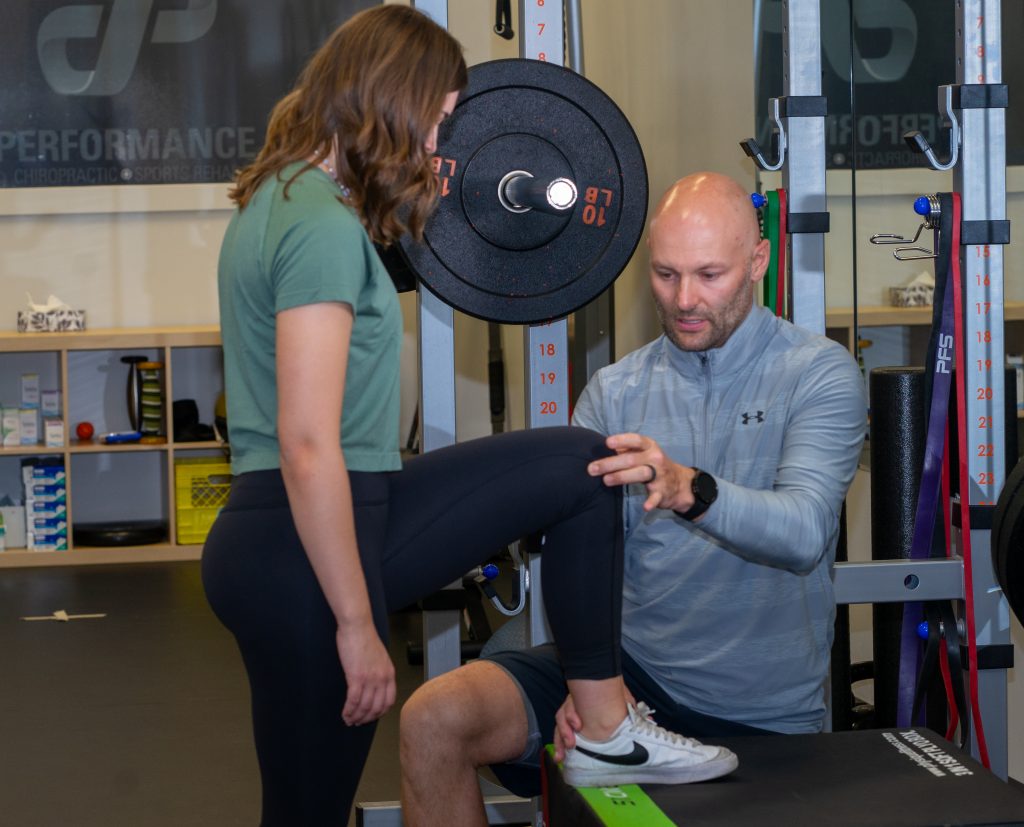
Timelines depend on the tissue involved, severity, and how early you seek care. Mild strains may settle within a few weeks with proper loading, while tendon or ligament injuries can require several months of structured progression. We provide a realistic plan based on your specific presentation and race calendar.
In most cases, yes. Rather than stopping all activity, we modify volume, intensity, or specific movements to maintain conditioning without aggravating the injury. Strategic cross-training and controlled exposure often support faster overall recovery than complete rest.
Imaging is not always necessary. A thorough clinical assessment often identifies the source of pain and guides treatment. If red flags or lack of progress suggest the need for further investigation, we will coordinate appropriate referrals.
If you are an Edmonton athlete preparing for your next obstacle race or recovering from a tough event, targeted care can make the difference between recurring pain and resilient performance. Performance Chiropractor + Physiotherapy provides individualized assessment, evidence-based treatment, and sport-specific rehab to help you return stronger. Book your assessment today and take the next step toward confident, pain-free racing.