

Targeted assessment and sport-specific rehabilitation for athletes in Edmonton dealing with cycle ball injuries, from acute collisions to chronic overuse pain. At Performance Chiropractor + Physiotherapy, we focus on restoring joint mechanics, muscle control, and on-bike performance so you can return to training with confidence. If you are struggling with back, hip, knee, shoulder, or wrist pain related to cycle ball, our evidence-informed approach is designed to get you moving safely again—book your assessment and start your recovery plan.
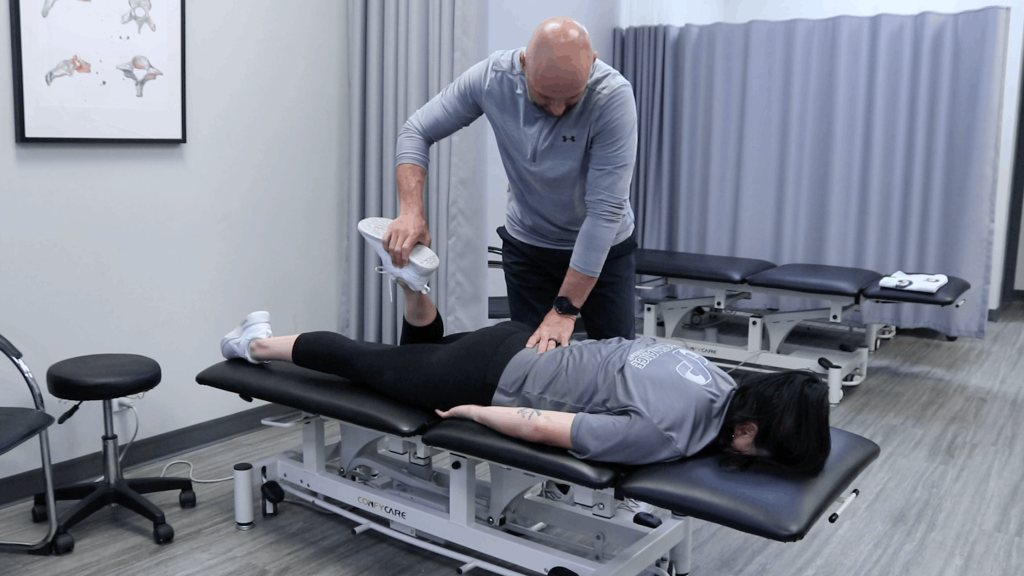
Your care begins with a detailed history and physical assessment, including movement analysis, joint mobility testing, strength and endurance evaluation, and where relevant, orthopaedic and neurological screening. We identify the primary pain generator and contributing factors such as mobility restrictions, muscle imbalance, or faulty motor patterns. Treatment may include targeted joint mobilization or manipulation, soft tissue therapy, progressive strength and stability exercises, and sport-specific drills that mimic on-bike demands. We integrate evidence-informed rehabilitation principles, graded loading, and clear return-to-play criteria so progression is objective and aligned with your training schedule.
Cycle ball combines high-speed cycling, rapid directional changes, and ball contact, placing unique stress on the spine and extremities. Repetitive hip flexion, forceful trunk rotation, sudden deceleration, and falls can overload joints, strain soft tissues, and disrupt neuromuscular control. Without targeted assessment and correction, minor irritation can progress to persistent pain, compensatory movement patterns, and reduced performance.
Prolonged flexed posture on the bike increases compressive load on the lumbar discs and sustained tension in the hip flexors. Over time, this can contribute to facet joint irritation, discogenic pain, or anterior hip impingement. When core endurance and glute activation are insufficient, the lumbar spine absorbs more force during sprints and directional changes, leading to recurring stiffness or sharp pain with extension and rotation.
Cycle ball involves contact with other riders and abrupt dismounts, making shoulder sprains, wrist injuries, and rib or pelvic contusions common. High-impact forces can cause joint sprains, muscle tears, or even subtle instability that does not fully resolve without rehabilitation. If these injuries are not properly managed, athletes may experience lingering weakness, altered mechanics, and increased risk of re-injury.
Powerful pedalling and rapid foot positioning place repetitive load on the patellofemoral joint and surrounding tendons. Imbalances in quadriceps, hamstrings, and hip stabilizers can alter tracking of the kneecap, leading to anterior knee pain or tendon irritation. Addressing alignment, muscle strength, and motor control is essential to reduce joint stress and maintain efficient power transfer.
Controlling and striking the ball while balancing on the bike requires coordinated thoracic rotation and shoulder stability. Restricted mid-back mobility or scapular weakness can overload the rotator cuff and cervical spine. Over time, this may present as shoulder impingement, neck tension, or headaches that interfere with both training and daily function.
Comprehensive, Sport-Specific Recovery
With focused care, athletes can expect reduced pain, improved joint mobility, and stronger, more coordinated movement patterns that translate directly to performance. By restoring proper load sharing between the spine, hips, knees, and shoulders, care helps decrease flare-ups during intense training blocks. The goal is not only symptom relief but measurable improvements in strength, endurance, and control so you can return to cycle ball with greater resilience and confidence.
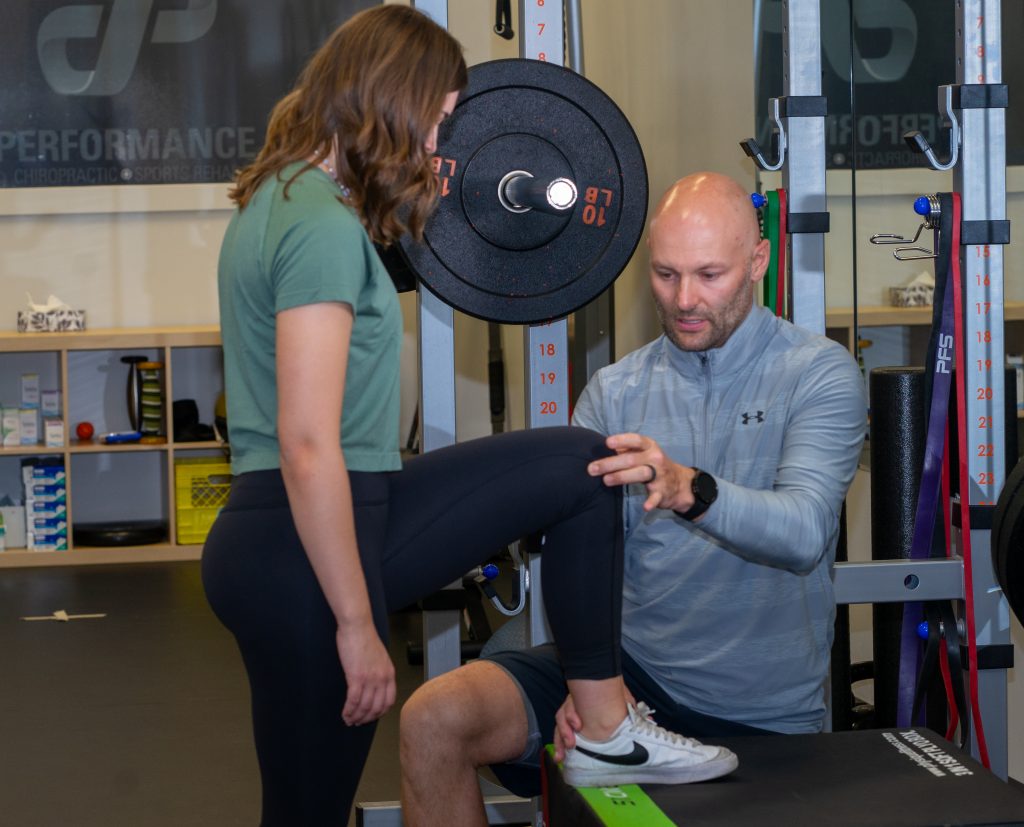
Recovery timelines depend on the severity and duration of the injury, as well as your training load and adherence to the rehabilitation plan. Mild strains may improve within a few weeks, while more complex or chronic issues can require a structured program over several months. We provide a clear plan with expected milestones so you understand what to expect.
In many cases, modified training is possible and even beneficial. We adjust intensity, volume, or specific drills to protect the injured area while maintaining conditioning. Clear communication about pain levels and response to load helps us fine-tune your program to support healing without unnecessary deconditioning.
When performed by a qualified professional, manual therapy and rehabilitation are considered safe and effective for many musculoskeletal conditions. We screen for contraindications, explain the rationale for each technique, and prioritize active rehabilitation so you remain an active participant in your recovery.
If cycle ball pain is limiting your speed, power, or confidence on the bike, early assessment can prevent small issues from becoming long-term setbacks. Performance Chiropractor + Physiotherapy in Edmonton provides individualized, athlete-focused care designed around your sport and goals. Contact us to schedule your assessment and take the next step toward a stronger return to play.