

Artistic Swimming Injury Treatment in Edmonton is designed for competitive and developing athletes who are training through pain, returning from time off, or preparing for key competitions. At Performance Chiropractor + Physiotherapy in Edmonton, we understand the extreme flexibility, underwater breath control, explosive lifts, and repetitive overhead patterns that define this sport. Our goal is to accurately diagnose the source of pain, correct the mechanical cause, and guide a structured rehab plan so you can train with confidence, protect your long-term joint health, and perform at your best. If shoulder, back, hip, or knee pain is limiting your routines, book an assessment and get a plan built around your sport.
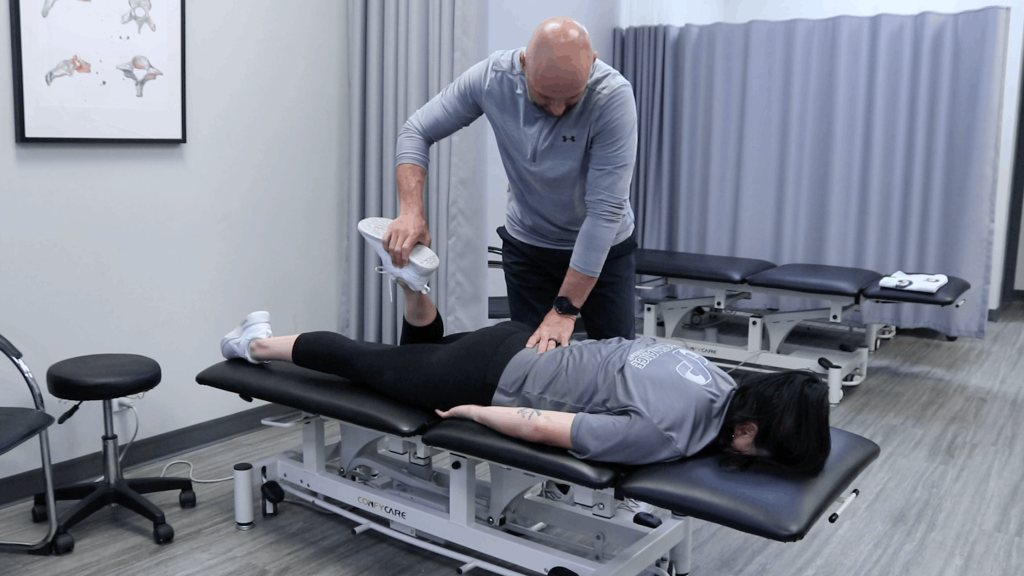
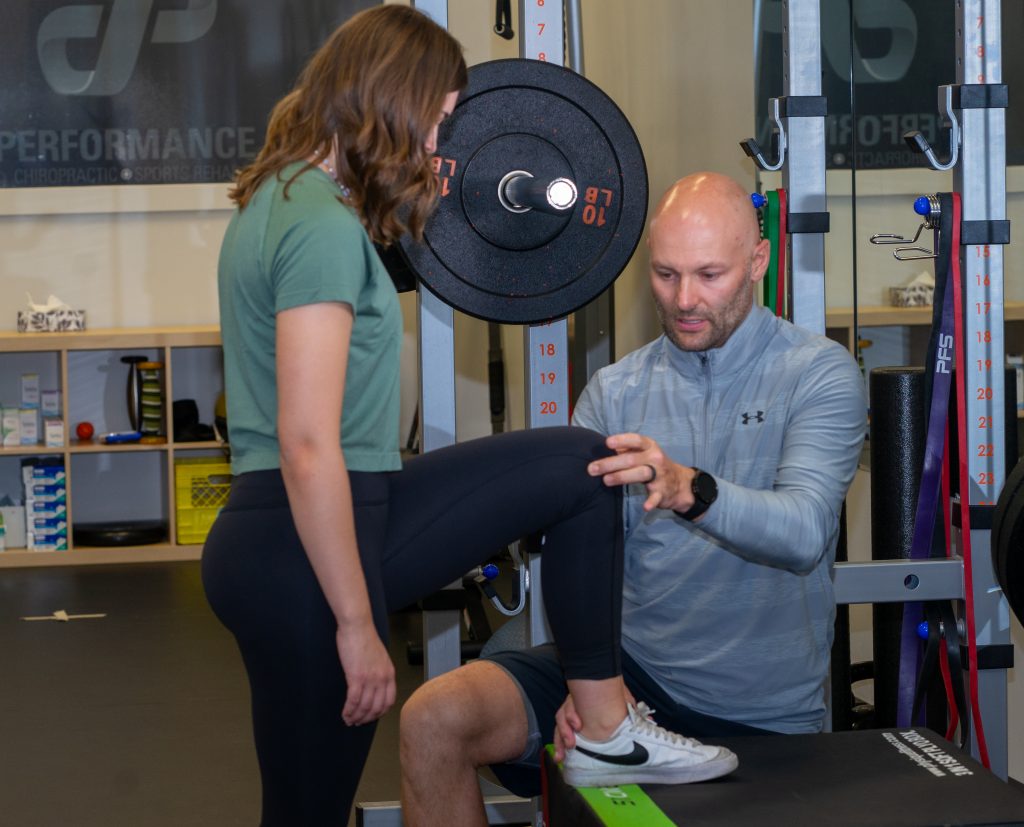
Care begins with a detailed history of training volume, choreography demands, and competition timelines, followed by a biomechanical assessment of shoulder mechanics, spinal movement, hip rotation, and core endurance. We use evidence-informed orthopaedic testing, strength testing, and movement analysis to identify tissue irritability and capacity deficits. Treatment may include manual therapy to address joint and soft tissue restrictions, progressive loading programs for tendons and stabilizing muscles, neuromuscular retraining for scapular and pelvic control, and sport-specific drills that replicate pool demands. We coordinate load management strategies and communicate clear guidelines for modifying practice while maintaining conditioning.
Artistic swimming combines hyperextension, rapid transitions, sculling under load, eggbeater kicks, and repeated overhead movements. These demands create unique stress on the shoulders, lumbar spine, hips, and knees, especially during growth spurts or high-volume training blocks. Injuries often develop gradually from cumulative overload rather than a single traumatic event, which means pain can be present long before tissue capacity is exceeded. Understanding the specific mechanical and training-related causes is key to resolving symptoms and preventing recurrence.
Overhead lifts, prolonged arm elevation during sculling, and repetitive choreography can overload the rotator cuff and biceps tendon. If scapular control and thoracic mobility are limited, the shoulder compensates by increasing stress on the anterior joint capsule and subacromial structures. This can lead to impingement symptoms, tendinopathy, or instability, particularly in athletes with high joint laxity. Without targeted strength and motor control work, symptoms often persist despite rest.
Frequent lumbar hyperextension during verticals and back layouts places compressive forces on the posterior spine. When core endurance and hip extension strength are insufficient, the lumbar segments absorb more load than they are designed to handle. Over time, this can irritate facet joints, stress pars interarticularis structures, or create persistent muscular guarding. Young athletes are particularly vulnerable during periods of rapid growth when coordination and strength temporarily lag behind flexibility.
The eggbeater kick demands sustained hip external rotation and knee flexion under resistance from the water. Limited hip mobility or weak deep rotators can shift stress to the medial knee and adductor tendons. Repetitive exposure without adequate recovery may result in adductor strains, patellofemoral pain, or snapping hip symptoms. Addressing both technique and strength balance is essential to reduce joint irritation.
Training volume often increases before major events, with more repetitions of lifts, hybrids, and full run-throughs. Sudden spikes in intensity reduce recovery time for tendons and joint structures. Without monitoring load and adjusting programming, small aches can progress into conditions that limit participation. Early assessment allows for load modification and targeted rehab while maintaining as much pool time as possible.
Working with a clinician who understands artistic swimming means your rehab is not generic. You can expect a precise diagnosis, a clear explanation of the pain mechanism, and a progressive plan that restores strength, mobility, and control specific to sculling, verticals, lifts, and eggbeater patterns. Outcomes typically include reduced pain during routines, improved overhead strength and hip stability, better tolerance to high training volumes, and a structured return-to-full-performance pathway that lowers the risk of re-injury.
Timelines depend on the tissue involved, severity, and how early treatment begins. Mild tendinopathy or muscular strains may improve within several weeks with consistent rehab, while more complex shoulder or spine conditions can require a few months of structured progression. Your plan will outline expected phases so you understand what milestones to track.
In many cases, yes. Rather than complete rest, we modify intensity, volume, or specific elements that aggravate symptoms. Maintaining cardiovascular fitness and selected technical skills is often possible while protecting the irritated tissue, provided load is carefully monitored.
Imaging is not always necessary. A thorough clinical assessment can often identify the pain source and guide treatment. If red flags or lack of progress suggest further investigation is needed, we will advise you on appropriate next steps and coordinate with your physician as required.
Athletes often ask about cost, session frequency, and what to expect at the first visit. Your initial assessment includes a detailed movement evaluation and a clear rehab roadmap tailored to your competition schedule. Frequency typically starts higher in the early phase to reduce pain and establish technique, then tapers as you build independence with your program. If you are unsure whether your symptoms require care, an early evaluation can prevent minor issues from becoming season-limiting injuries.