

Targeted rehabilitation for lawn bowlers in Edmonton who want to stay competitive without being limited by back, shoulder, knee, or hip pain. At Performance Chiropractor + Physiotherapy, we understand the unique demands of repetitive delivery, low lunge positions, and rotational control, and we design sport-specific treatment plans that reduce pain, restore mobility, and help you return to consistent, confident play. If pain is affecting your stance, accuracy, or endurance on the green, our team is ready to help you move better and bowl stronger.
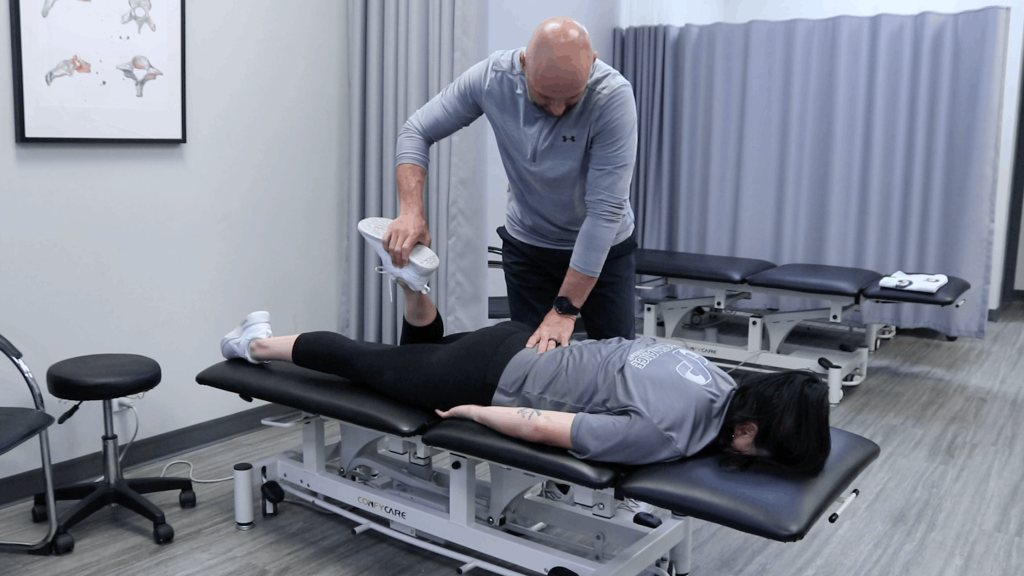
Care begins with a detailed assessment of your bowling technique, joint range of motion, strength, balance, and movement patterns. We identify mobility restrictions, muscle imbalances, and load management issues contributing to symptoms. Treatment may include joint mobilization or manipulation, soft tissue therapy, and individualized exercise programs focusing on hip stability, core endurance, and shoulder control. We use progressive strengthening principles and functional drills that mirror the delivery stride, gradually reintroducing full-intensity play. Education on warm-up strategies, recovery, and footwear considerations is integrated to reduce recurrence and support long-term performance.
Lawn bowling may appear low impact, but the repetitive lunge, trunk rotation, and sustained flexed postures place cumulative stress on joints and soft tissues. Without proper mobility, strength, and load management, minor irritation can progress to persistent pain that limits performance and enjoyment. Understanding the mechanisms behind these injuries is the first step toward resolving them effectively.
Each bowl requires controlled lumbar flexion and rotation, often combined with side bending. Over time, repeated asymmetrical loading can irritate facet joints, strain paraspinal muscles, and stress intervertebral discs. Athletes with limited hip mobility or poor core endurance compensate through the spine, increasing mechanical load and leading to stiffness, sharp pain with extension, or lingering ache after games.
The delivery stride places significant compressive force through the front knee and high demand on the hip flexors and gluteal muscles. Limited ankle dorsiflexion or weak gluteus medius can cause the knee to collapse inward, increasing stress on the patellofemoral joint and medial knee structures. Over time, this can contribute to tendinopathy, bursitis, or degenerative flare-ups that make it difficult to maintain a stable stance.
Although bowls are rolled rather than thrown overhead, the repeated swinging motion requires coordinated shoulder stability and forearm control. Inadequate scapular strength or restricted thoracic rotation can overload the rotator cuff and elbow tendons. This may present as lateral elbow pain, shoulder impingement symptoms, or reduced control at release.
When discomfort is ignored, athletes often alter their technique subconsciously to avoid pain. These compensations can disrupt alignment, reduce accuracy, and increase fatigue. Persistent inflammation and reduced joint mobility may also prolong recovery between matches, increasing the risk of more significant injury over a season.
Working with a qualified chiropractor and physiotherapist provides a structured path back to confident play. Through targeted manual therapy, corrective exercise, and progressive loading, athletes typically experience reduced pain intensity, improved hip and thoracic mobility, stronger single-leg stability, and better trunk control. The result is a smoother delivery stride, more consistent line and weight control, and improved tolerance for longer games and tournaments without flare-ups.
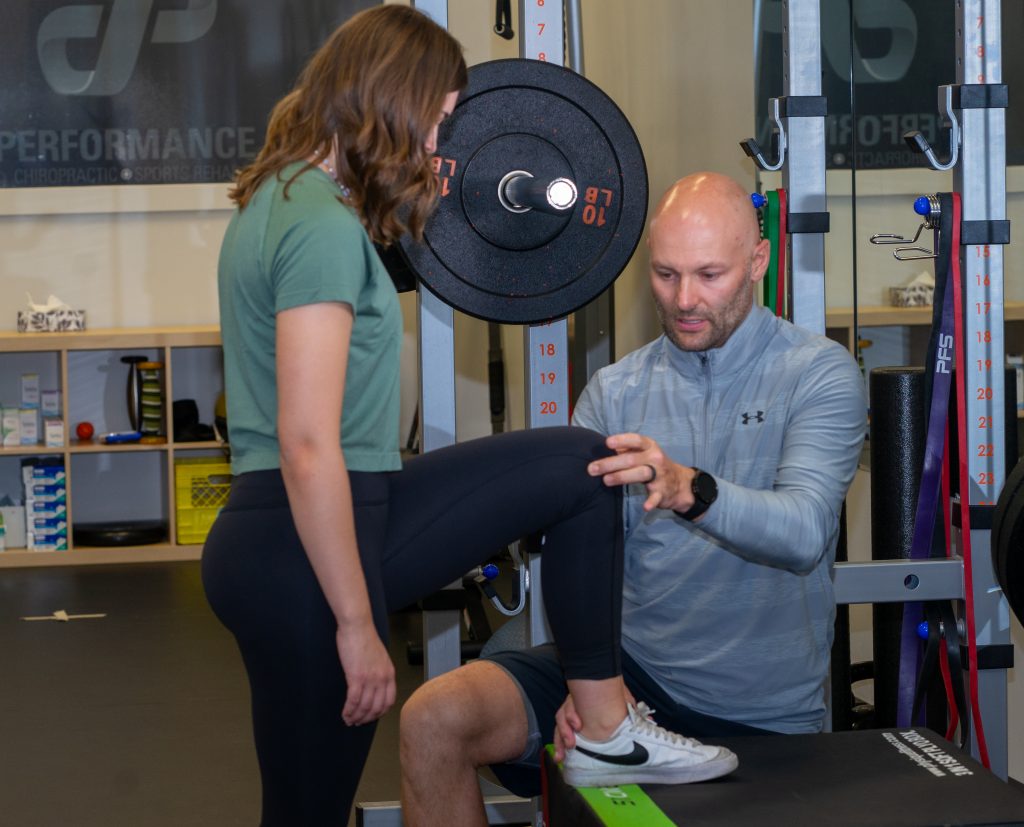
Timelines depend on the severity and duration of symptoms, as well as how consistently exercises are performed. Mild overuse irritation may improve within a few weeks, while persistent or recurrent issues can require a longer, structured strengthening phase. Your plan will be adjusted based on objective progress in pain levels, mobility, and functional testing.
In many cases, modified participation is possible. We assess irritability of the injury and may recommend temporary adjustments to frequency, intensity, or technique while building strength and mobility. The goal is to keep you active when safe, while preventing setbacks that delay full recovery.
Yes. This approach is tailored specifically to the biomechanics of lawn bowling, including the delivery stride and rotational demands. Exercises and manual techniques are selected based on how they translate directly to performance on the green, rather than using a generic protocol.
Athletes often ask about cost, referrals, and what to expect at the first visit. Most sessions include hands-on treatment and guided exercise, with clear home programming to accelerate progress. No special preparation is required beyond wearing comfortable clothing that allows movement assessment. Early intervention typically reduces total treatment time and helps prevent recurring flare-ups. If you are in Edmonton and experiencing bowling-related pain, a focused assessment can clarify the cause and outline a practical plan to get you back to confident competition.