

At Performance Chiropractor + Physiotherapy, our Canoe Polo Injury Chiropractor in Edmonton service is designed for competitive and recreational canoe polo athletes dealing with shoulder pain, low back strain, rib dysfunction, hip tightness, and overuse injuries that limit power and control on the water. Canoe polo places unique rotational and overhead demands on the body, and generic treatment often misses the sport-specific mechanics involved. We combine precise assessment, hands-on care, and progressive rehab to reduce pain, restore paddling mechanics, and help you return to training with confidence. If you are struggling to play at your usual level, book an assessment and get a clear plan forward.
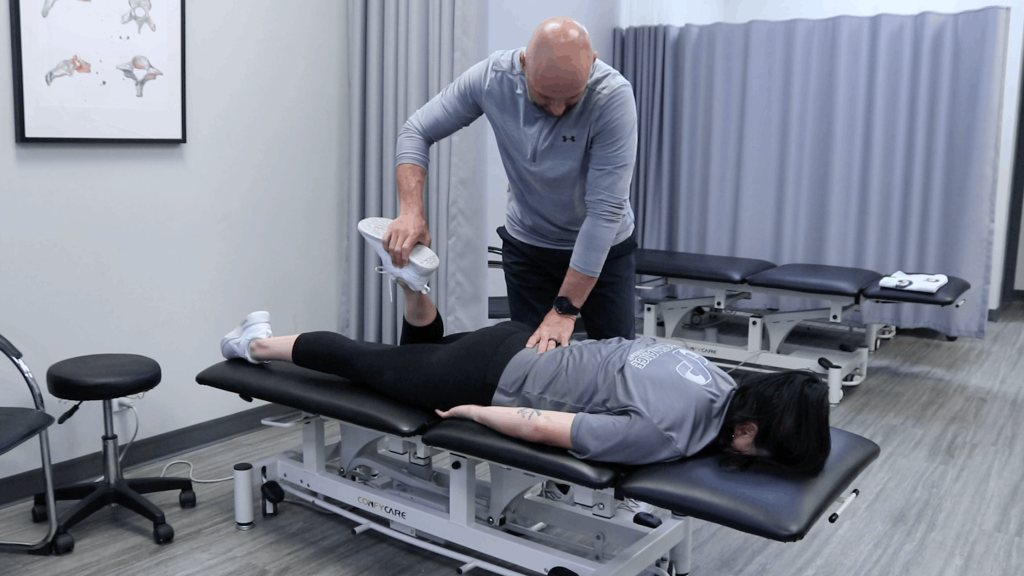
Your care begins with a detailed history and physical assessment, including movement screening, joint mobility testing, strength evaluation, and sport-specific analysis of paddling mechanics. We assess the kinetic chain from hips to shoulders to identify where force transfer is breaking down. Treatment may include evidence-informed spinal and extremity joint mobilization or manipulation, soft tissue therapy, and targeted exercise prescription focusing on rotator cuff strength, scapular control, core stability, and hip mobility. As symptoms improve, we progress to resisted rotational drills, endurance work, and on-water or simulated return-to-sport planning. Throughout the process, we emphasize load management and technique refinement to reduce recurrence risk.
Canoe polo blends high-intensity paddling, rapid directional changes, ball handling, and physical contact, creating predictable stress patterns in the shoulders, spine, and hips. Understanding the mechanisms behind these injuries is essential to resolving symptoms and preventing recurrence.
The repetitive overhead paddle stroke combines shoulder flexion, internal rotation, and scapular protraction under load. Over time, this can irritate the rotator cuff tendons, compress the subacromial space, and strain the biceps tendon. Poor thoracic mobility or scapular control increases mechanical stress on the shoulder joint, leading to impingement symptoms, weakness, and pain during shooting or sprint paddling.
Explosive trunk rotation is essential for powerful strokes and quick passes. When the hips or thoracic spine lack mobility, the lumbar spine often compensates with excessive rotation and extension. This can irritate facet joints, strain paraspinal muscles, and create rib joint dysfunction, resulting in sharp pain with twisting, deep breathing, or acceleration.
Extended periods in a fixed seated position with asymmetrical loading can lead to hip flexor tightness, gluteal inhibition, and sacroiliac joint irritation. Limited hip rotation forces greater demand on the lower back during strokes, contributing to persistent stiffness and reduced power transfer from the lower body to the paddle.
Canoe polo involves blocking, tipping, and rapid changes in direction. Sudden impacts can cause shoulder subluxations, AC joint sprains, rib contusions, and neck strain. Without proper rehabilitation to restore strength and neuromuscular control, athletes face higher risk of reinjury and chronic instability.
Working with a practitioner who understands canoe polo mechanics means treatment is directed at the true driver of pain, not just the symptoms. You can expect improved shoulder range of motion and strength balance, better thoracic and hip mobility for efficient rotation, decreased pain during paddling and shooting, and a structured return-to-play progression. The goal is not only symptom relief but measurable gains in power transfer, stroke efficiency, and load tolerance so you can train and compete with greater durability.
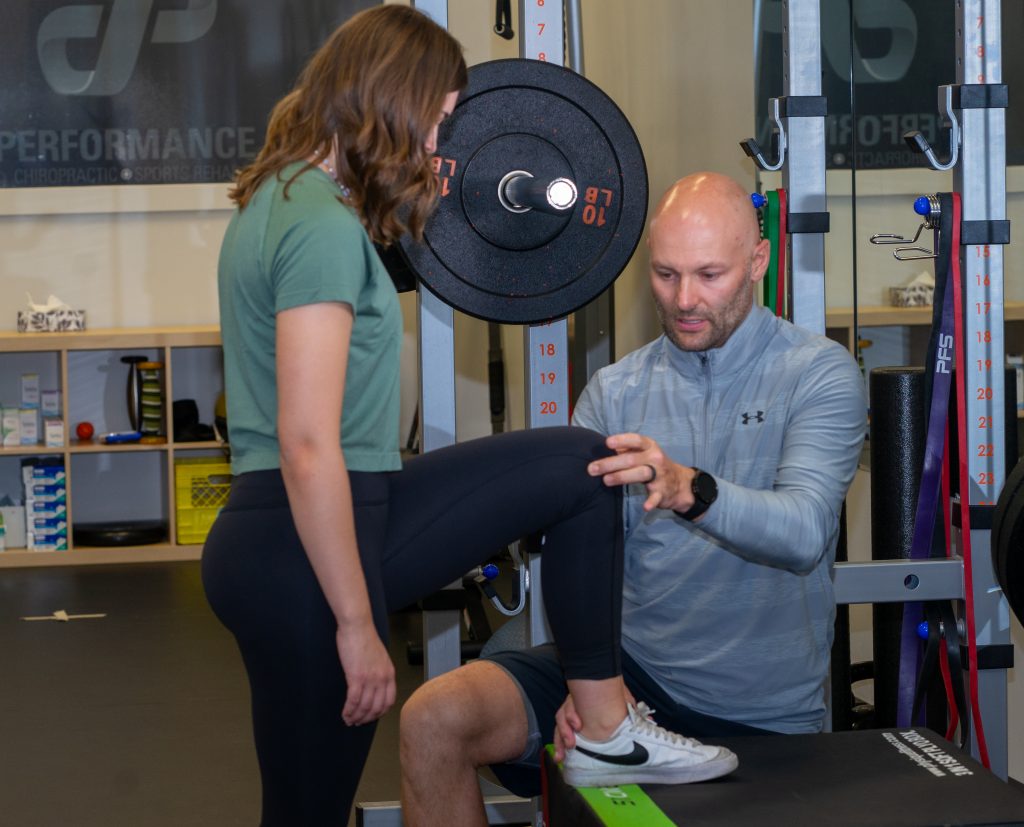
Timelines depend on the severity and type of injury. Mild overuse irritation may improve within a few weeks with proper load modification and rehab, while significant sprains or instability can require several months of progressive strengthening. We provide a clear phased plan so you understand what milestones must be met before full return.
In many cases, a thorough clinical assessment is sufficient to guide treatment. If we suspect structural damage such as a significant tear, fracture, or persistent instability, we will coordinate with your physician for appropriate imaging. Imaging is used to clarify diagnosis when it changes management, not as a routine first step.
Not necessarily. Complete rest is rarely ideal. Instead, we modify volume, intensity, or specific drills to maintain conditioning while protecting injured tissues. This approach supports tissue healing without unnecessary detraining.
Most athletes want to know about cost, frequency of visits, and what sessions involve. Care is individualized, but early phases often include more frequent visits to reduce pain and restore mobility, followed by a transition toward independent exercise with periodic reassessment. You will receive clear home exercises and objective progress markers so you can see improvement over time. Our focus is transparent communication, collaborative goal setting, and practical strategies that fit your training schedule in Edmonton.