

Blind Soccer Injury Recovery in Edmonton is designed for athletes who compete with vision impairment and need precise, sport-specific care for pain, mobility loss, and performance setbacks. At Performance Chiropractor + Physiotherapy, we understand the unique movement demands, contact patterns, and sensory adaptations in blind soccer, and we build rehabilitation plans that restore strength, balance, and confidence on the pitch. If pain, instability, or a recent injury is holding you back, our Edmonton team is ready to help you return to play safely and at full capacity.
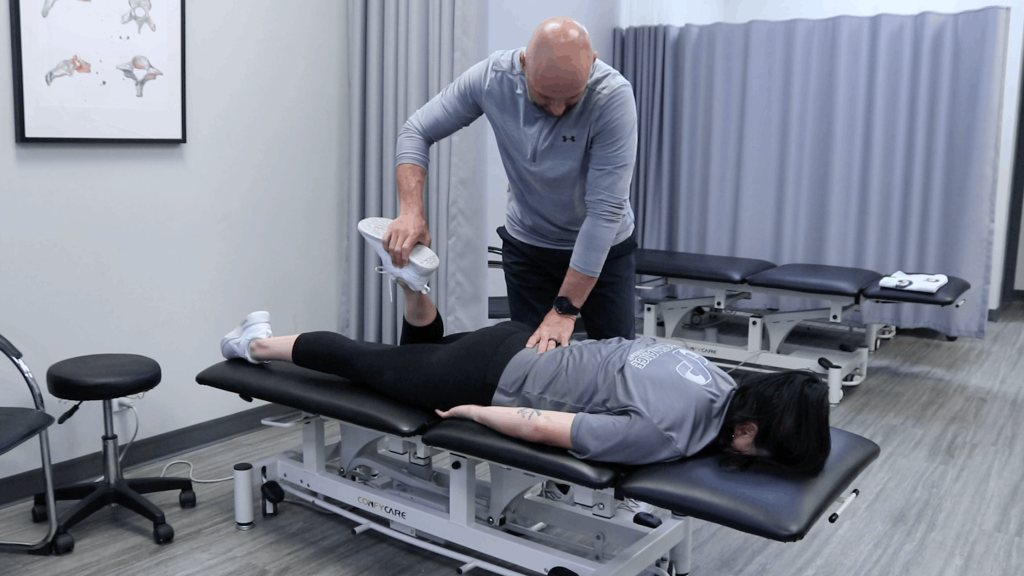
Your care begins with a detailed assessment of injury history, pain patterns, joint mobility, strength ratios, gait mechanics, and balance. We use functional movement testing, manual muscle testing, and where appropriate, vestibular and concussion screening to identify the primary drivers of your symptoms. Treatment may include hands-on therapy to restore joint motion, soft tissue techniques to reduce muscle guarding, progressive loading to stimulate tendon and ligament healing, and neuromuscular retraining to enhance proprioception. Rehabilitation progresses from controlled strength work to sport-specific drills that simulate auditory cueing, directional changes, and safe contact. Throughout the process, we align with evidence-informed rehabilitation principles and gradually reintroduce training intensity to minimize reinjury risk.
Blind soccer places distinct physical demands on the body, from high-speed directional changes guided by sound to frequent contact with other players and boards. Without a structured recovery plan tailored to these factors, minor strains can progress into chronic pain, joint instability, and reduced performance.
Rapid acceleration toward the sound of the ball and abrupt deceleration near the boards increase load on the hamstrings, hip flexors, adductors, and calf complex. When these tissues are overloaded without adequate eccentric strength or recovery, microtears accumulate and can develop into persistent strains or tendinopathy that limit sprint speed and kicking power.
Limited visual input shifts reliance to proprioception and auditory cues, which can increase the risk of awkward foot placement during tackles or sudden turns. This mechanism commonly stresses the lateral ankle ligaments, the medial knee structures, and the ACL, especially when fatigue reduces neuromuscular control and joint stability.
Player-to-player contact and collisions with boards often result in shoulder sprains, clavicle irritation, rib dysfunction, or thoracic spine stiffness. Repeated impact without proper mobility and strength restoration can alter posture and breathing mechanics, contributing to ongoing pain and decreased rotational power.
Head impacts in blind soccer may be under-recognized, particularly when athletes attribute symptoms to general fatigue. Concussion can disrupt vestibular function and spatial orientation, and without targeted rehabilitation, this can impair balance, reaction timing, and confidence in contact situations.
Working with clinicians who understand blind soccer means your rehabilitation targets the exact tissues, movement patterns, and sensory adaptations involved in your sport. The result is measurable gains in strength symmetry, improved single-leg stability, better joint range of motion, and restored sprint and change-of-direction capacity. Athletes often notice reduced pain during training, greater confidence in contact, and a clearer progression back to full match intensity because the program addresses both tissue healing and performance demands rather than just symptom relief.
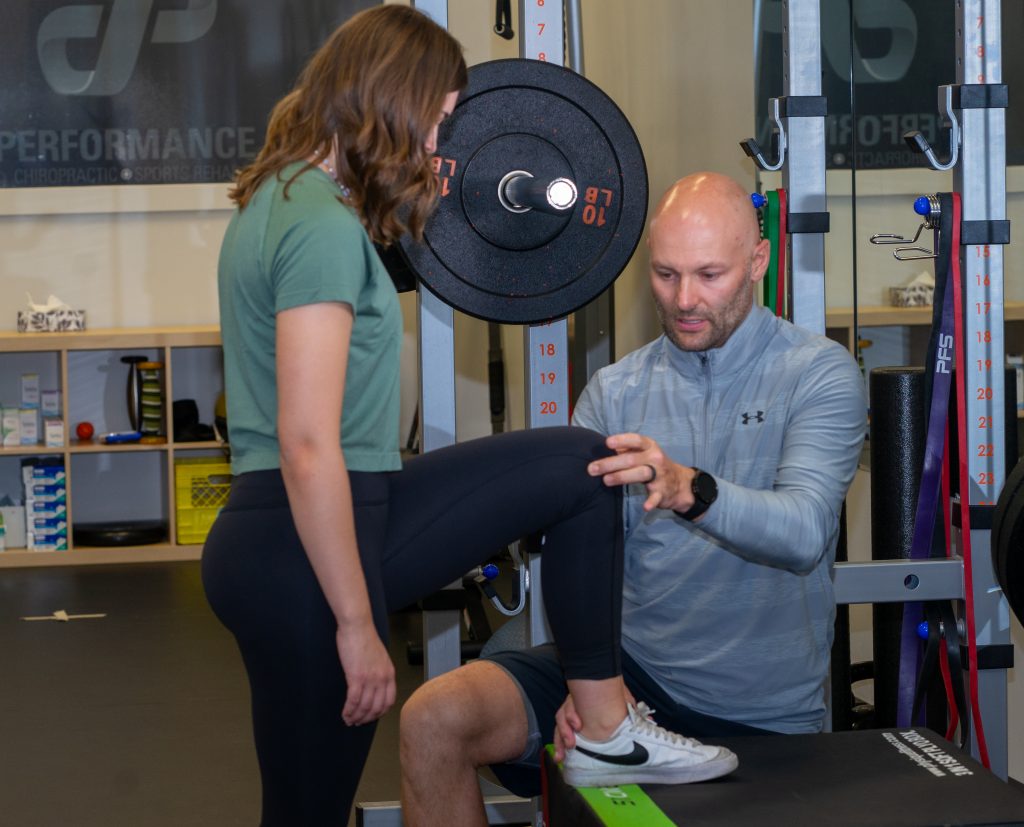
Timelines depend on the severity and type of injury. Mild muscle strains may improve within a few weeks of structured loading, while ligament injuries or concussion-related symptoms can require several weeks to a few months of progressive rehabilitation. Your plan will include clear phase goals so you understand what milestones must be reached before returning to full competition.
In many cases, yes. We often modify training volume and intensity rather than stopping activity completely. Cross-training, controlled technical drills, and monitored strength work can maintain conditioning while protecting healing tissues, provided pain and swelling remain within acceptable limits.
A physician referral is not typically required to begin physiotherapy or chiropractic care in Alberta. However, if imaging or medical clearance is necessary, we will coordinate with your physician or sports medicine specialist to ensure comprehensive care.
Athletes often ask about cost, what to wear, and what to expect in the first session. Fees vary depending on assessment length and treatment complexity, and we provide clear information before starting care. Wear athletic clothing that allows movement assessment, and bring any relevant imaging or medical reports. Your first visit focuses on understanding your sport demands, testing key movement patterns, and outlining a structured plan so you leave knowing the diagnosis, the strategy, and the path back to play.