

Backyard Ultra Injury Recovery in Edmonton is designed for endurance athletes pushing the limits of long-format racing who are now dealing with pain, overuse injuries, or stalled progress. At Performance Chiropractor + Physiotherapy, we focus on identifying the specific tissue overload, biomechanical breakdown, and recovery gaps that occur during repeated hourly loops so you can return to training safely and competitively. If your hips, knees, feet, or lower back are limiting your miles, our integrated chiropractic and physiotherapy approach helps you rebuild capacity and confidence—book an assessment and take the first step back to the start line.

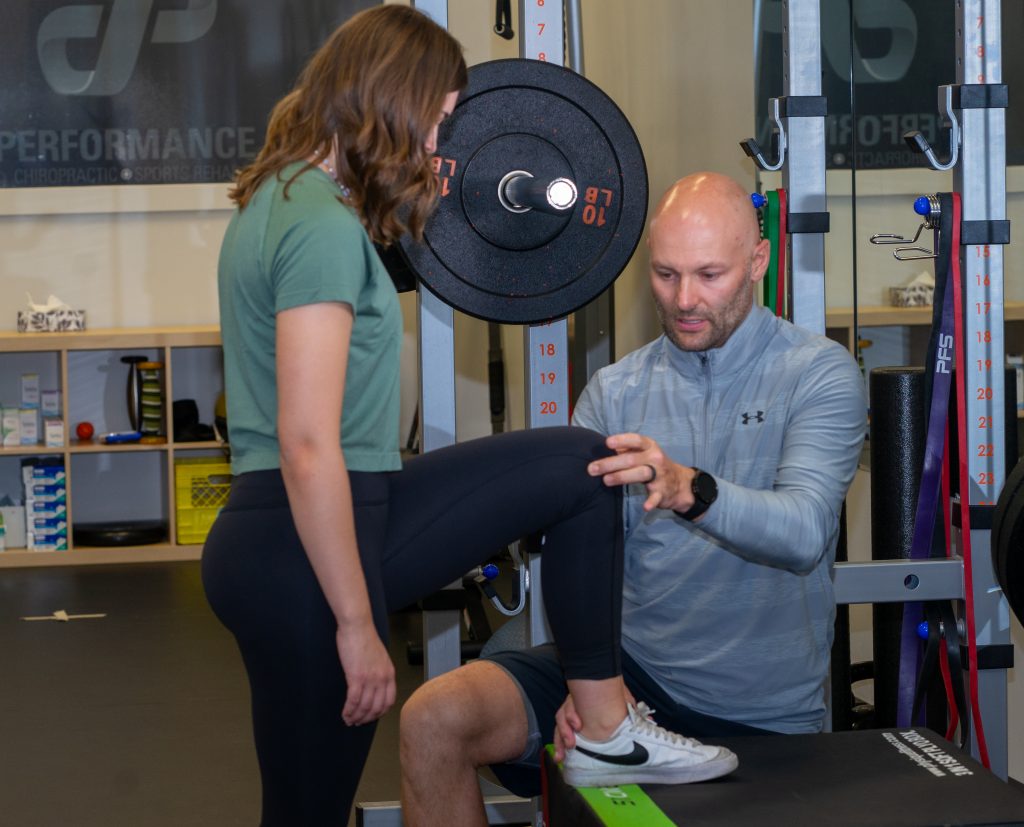
We begin with a detailed history of your training volume, race performance, footwear, terrain, and recovery habits. A physical assessment evaluates joint range of motion, strength asymmetries, running mechanics, and pain provocation patterns. When indicated, we use evidence-informed techniques such as manual therapy for mobility restrictions, progressive tendon loading protocols, neuromuscular retraining, and sport-specific strength programming. Video gait analysis helps identify fatigue-related form changes, and we align your rehab plan with established load management principles used in endurance sports medicine. Collaboration between chiropractic and physiotherapy ensures both joint mechanics and tissue capacity are addressed so your return to running is gradual, objective, and performance-focused.
Backyard ultra racing places unique demands on the body: repetitive 6.7 km loops, limited recovery between efforts, uneven terrain, and sleep deprivation. Unlike traditional ultras, the stop-start format and cumulative fatigue create progressive biomechanical changes that increase tissue strain over hours or days. Understanding these mechanisms is essential to resolving pain rather than masking it.
In backyard events, athletes often exceed their weekly training volume in a single competition. Tendons such as the Achilles and patellar tendon, along with plantar fascia and hip stabilizers, experience repetitive loading without sufficient adaptation time. When load surpasses tissue capacity, microtrauma accumulates faster than repair, leading to tendinopathy, stress reactions, or persistent muscle tightness that does not resolve with simple rest.
As fatigue sets in, stride length shortens, ground contact time increases, and hip extension decreases. These subtle changes increase demand on the knees, calves, and lower back. Over multiple loops, this biomechanical drift redistributes forces to structures not conditioned for sustained load, contributing to iliotibial band irritation, medial tibial stress, and sacroiliac joint pain.
The short turnaround window encourages athletes to sit, cool down rapidly, or change footwear without proper mobility work. Rapid stiffness in the hips and ankles alters joint mechanics on the next lap. Without active recovery strategies, neuromuscular control declines, raising the risk of ankle sprains, calf strains, and compensatory movement patterns.
Backyard culture rewards perseverance, but pushing through sharp or escalating pain can convert a manageable overload into a more serious injury such as a stress fracture. Pain that changes your gait, wakes you at night, or worsens each loop is a signal of tissue overload that requires professional assessment rather than continued mileage.
Working with a qualified provider means more than symptom relief. You receive a structured plan that restores joint mobility, rebuilds tendon and muscle capacity through graded loading, and corrects fatigue-related movement faults. The outcome is measurable: improved stride efficiency, better force distribution through the hips and feet, reduced flare-ups during high-volume weeks, and a clear return-to-run progression tailored to backyard race demands.
Timelines depend on the tissue involved and the severity of overload. Mild tendinopathy may improve within several weeks of structured loading, while stress reactions or significant muscle strains can require longer rest and staged return. Early assessment generally shortens overall downtime by preventing progression.
Not always. Many overuse injuries respond best to relative rest combined with modified cross-training and controlled strength work. We determine what level of activity is safe so you maintain aerobic fitness while protecting healing tissue.
Yes. Prevention focuses on progressive load planning, strength benchmarks, mobility targets, and race-day recovery strategies specific to the backyard format. Addressing the underlying mechanical and capacity issues reduces the likelihood of the same injury returning under fatigue.
Athletes often ask about cost, visit frequency, and whether they need imaging. Care plans are individualized based on findings; some runners benefit from a short block of focused rehab, while others require longer-term progression. Imaging is recommended only when clinical signs suggest more serious pathology. Most importantly, you can expect clear communication, objective reassessment, and a plan that respects your competitive goals while prioritizing long-term joint and tissue health.