

For people in Edmonton dealing with ongoing pain or recovering from injury, navigating international health insurance can feel as stressful as the condition itself. This service focuses on helping you access physiotherapy treatment while using your Cigna Global benefits correctly, so pain relief and functional recovery are not delayed by paperwork or uncertainty. By aligning clinical care with insurer requirements, we aim to reduce out-of-pocket surprises and help you start appropriate treatment with confidence.
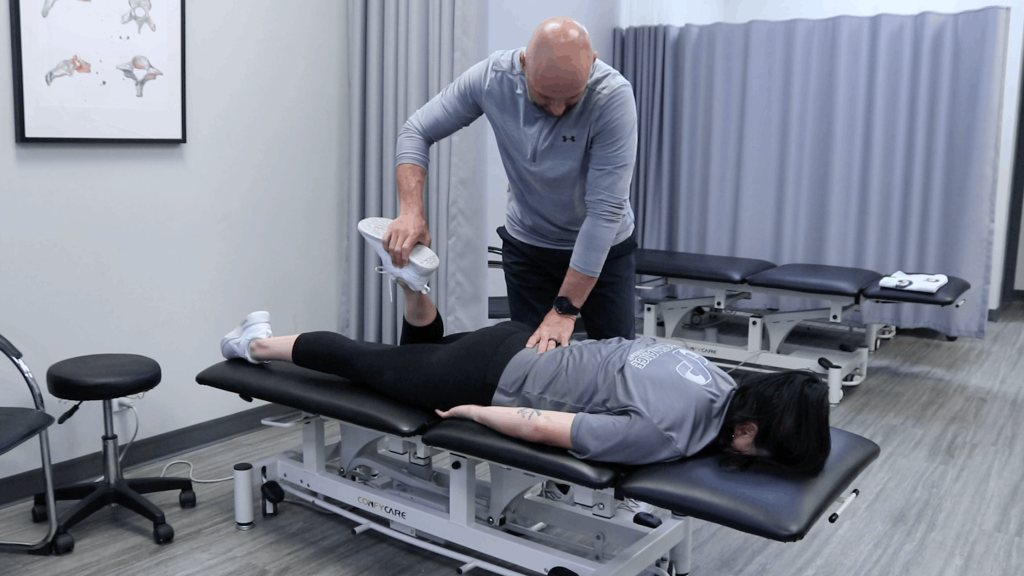
The process begins with verifying your specific policy details, including coverage limits and referral needs, followed by a comprehensive physiotherapy assessment to identify the mechanical, neurological, or soft-tissue contributors to your pain. Treatment plans typically combine therapeutic exercise, manual therapy, and education, documented according to insurer standards. Ongoing progress notes and outcome measures support continuity of care and compliant claim submission.
When pain interferes with work, sleep, or movement, delays in care can worsen symptoms and prolong recovery. International insurance plans often involve different approval rules, coverage limits, and documentation standards than local plans in Alberta, which can create barriers for patients who need timely physiotherapy support.
Cigna Global policies may define eligible physiotherapy differently from provincial or employer plans, including visit caps, referral requirements, or diagnostic documentation. Misunderstanding these details can result in denied claims or unexpected costs, adding financial stress to physical pain.
Waiting to clarify coverage or reimbursement processes can postpone physiotherapy during the early stages of injury, when tissue healing and pain modulation respond best to guided exercise and manual care. Delayed intervention may increase stiffness, weakness, and chronic pain risk.
International insurers typically require clear clinical notes, diagnosis codes, and treatment rationales. Incomplete submissions or mismatched terminology can lead to claim rejections, forcing patients to resubmit or self-fund sessions while in pain.
Without guidance, patients may select providers unfamiliar with global insurance standards or evidence-based physiotherapy, increasing the risk of ineffective treatment, prolonged symptoms, or unnecessary expenses.
Working with a clinic experienced in managing global insurance plans helps ensure that physiotherapy care is clinically appropriate and aligned with Cigna Global requirements. The result is more predictable reimbursement, reduced administrative burden, and a clearer path toward pain reduction, improved mobility, and return to daily activities.

Some Cigna Global plans require a physician referral, while others allow direct access. Verifying this before your first appointment helps avoid claim issues and ensures your sessions are eligible for reimbursement.
Coverage often depends on your specific policy tier and clinical justification. Sessions may be capped annually or per condition, which is why clear assessment findings and progress documentation are important.
Many international plans operate on a reimbursement basis, meaning payment may be required at the time of service. Understanding this in advance allows you to plan financially and submit claims promptly.
Patients often ask about timelines, costs, and expectations. It is helpful to bring your insurance details, any referrals, and prior imaging or reports to your first visit. While individual recovery timelines vary, consistent attendance and adherence to prescribed exercises typically lead to better pain control and functional improvement. Choosing a qualified physiotherapy provider familiar with international insurance processes can reduce stress and keep your focus on healing rather than administration.