

Pain can disrupt work, sleep, and daily life, especially when an injury or flare-up lingers. This service helps people in Edmonton who have CUPE health benefits access physiotherapy that focuses on reducing pain, restoring movement, and making full, appropriate use of their coverage. Care is coordinated around benefit rules and clinical need, so treatment is effective, compliant, and straightforward to start. If you want clear guidance and hands-on care that fits your situation, booking an assessment is the next practical step.
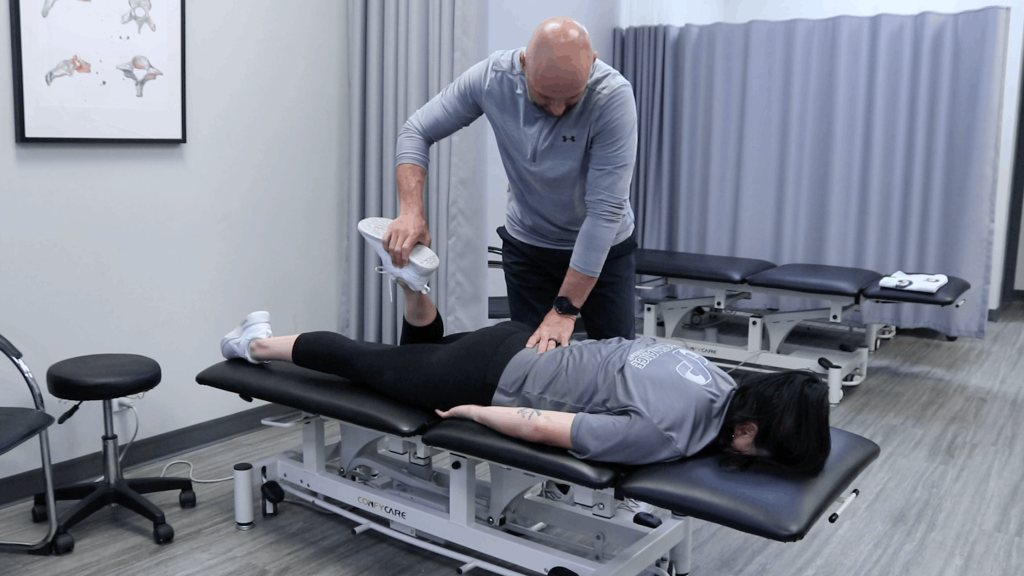
Care begins with a detailed assessment to identify the source of pain, contributing movement patterns, and functional limitations. Treatment commonly includes manual therapy, targeted exercise, and education on activity modification, using evidence-based physiotherapy methods appropriate for musculoskeletal conditions. Documentation is completed to meet insurer requirements, and progress is reassessed regularly so care remains effective within the scope of available benefits.
Many people assume coverage automatically equals effective treatment, yet pain often continues because benefits are not aligned with the right clinical approach. Union plans typically set visit limits, referral rules, or documentation requirements, and when these are misunderstood, care can become rushed, delayed, or inconsistent. In Edmonton, physically demanding jobs and long commutes can also aggravate injuries, making it essential that therapy is planned carefully within available coverage.
Collective agreement benefits can vary by local, and uncertainty about what is covered can lead people to delay care or stop early. When coverage details are unclear, pain conditions such as back strain or shoulder tendinopathy may become chronic, increasing recovery time and discomfort.
Relying on rest alone or sporadic treatment can allow small tissue injuries to progress into persistent pain. Without proper assessment and progressive loading, joints may stiffen and muscles weaken, making everyday tasks more painful and increasing the risk of reinjury.
Many CUPE members work in roles that involve lifting, standing, or repetitive movements. Continuing these tasks without addressing movement patterns and strength deficits can repeatedly irritate injured tissues, slowing healing despite ongoing benefits coverage.
Incomplete forms or missed insurer requirements can interrupt care plans. Gaps between sessions reduce the effectiveness of physiotherapy, as tissues adapt best to consistent, appropriately progressed treatment.
When physiotherapy is coordinated with CUPE benefits, clients typically experience more consistent care, clearer expectations, and better pain control. Treatment plans are designed to fit approved visit structures while still addressing the root cause of pain, helping people return to work duties, daily activities, and exercise with greater confidence and less discomfort.

Some CUPE plans require a referral while others do not, and this can depend on the local agreement. It is best to confirm your specific plan details, as having the correct paperwork in place helps avoid claim delays and ensures uninterrupted care.
Coverage limits vary by plan year and local agreement, and may reset annually. A physiotherapist can help plan care to make the most of the approved visits by focusing on exercises and strategies you can continue independently.
Bringing your benefit information, any referral if required, and comfortable clothing allows the assessment to proceed efficiently. Relevant imaging or reports can also help guide treatment decisions.
People often worry about cost, timelines, or whether physiotherapy will actually help their pain. In practice, understanding your CUPE coverage upfront, attending sessions consistently, and following a tailored home program are key factors that influence recovery. Physiotherapy is not instant, but with a clear plan and proper use of benefits, many clients notice meaningful improvements in pain and function over weeks rather than months.