

If you live in Edmonton and rely on Simply Benefits to access physiotherapy, this service is designed to remove barriers between you and effective pain relief. It helps people dealing with injury, stiffness, or ongoing discomfort understand how their benefits apply, get appropriate clinical care, and use coverage efficiently so treatment decisions are based on recovery needs rather than paperwork stress. The goal is to make getting help for pain feel straightforward, supported, and worth starting today.

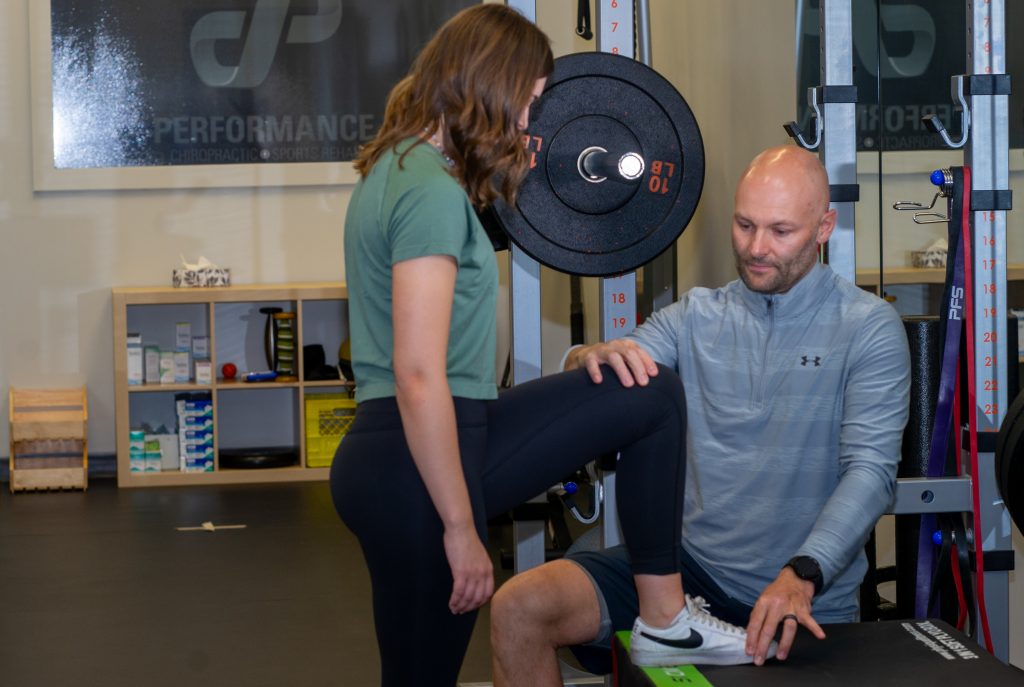
The process begins with a detailed assessment to identify the source of pain, contributing movement patterns, and functional limitations. Treatment typically includes hands-on therapy, individualized exercise prescription, and education about activity modification. Documentation is completed in a way that supports Simply Benefits claims, and care plans are adjusted based on response, remaining coverage, and clinical need while following Alberta physiotherapy practice standards.
People seeking physiotherapy through an extended health plan often face a combination of physical pain and administrative uncertainty. When coverage rules are unclear, treatment may be delayed or shortened, which can allow minor issues to become persistent problems. Understanding how Simply Benefits interacts with physiotherapy is a key part of protecting recovery.
Many Simply Benefits plans have annual maximums, per-visit caps, or requirements around practitioner type. When these details are misunderstood, people may postpone booking physiotherapy or stop too early, increasing the risk that acute pain becomes chronic or that compensation patterns develop.
Muscle strains, joint sprains, and postural injuries often respond best when addressed early with targeted exercise and manual therapy. Waiting because of uncertainty about benefit usage can allow inflammation, reduced mobility, or nerve sensitivity to worsen, making recovery longer and more complex.
Without a clinician who understands how to pace care within a benefit plan, treatment may be too aggressive or too sparse. Both scenarios can reduce effectiveness, either by exhausting coverage before functional goals are met or by spacing visits so far apart that progress stalls.
Administrative stress has a real impact on pain perception and adherence to home exercises. When patients feel unsure about claims, reimbursement, or what is covered, they are less likely to stay consistent, which directly affects physiotherapy outcomes.
Using physiotherapy in a way that aligns with Simply Benefits allows treatment to focus on meaningful improvements such as reduced pain, improved movement, and better daily function. A coordinated approach helps ensure each session builds on the last, uses coverage responsibly, and supports sustainable recovery rather than short-term relief.
In most cases, a doctor’s referral is not required to start physiotherapy, as Alberta allows direct access to physiotherapists. However, some Simply Benefits plans may request a referral for reimbursement, so it is important to confirm your specific plan details before or shortly after your first visit.
Coverage depends on your individual Simply Benefits plan, including annual maximums and per-visit limits. A clinic familiar with these plans can help you understand how many sessions are realistically available and design a treatment schedule that uses them effectively.
If coverage runs out before goals are reached, options are discussed openly, including spacing visits further apart, focusing more on guided home exercise, or transitioning to self-management strategies. The aim is to maintain progress without unexpected financial pressure.
Most people want to know how long recovery will take, what physiotherapy will cost after benefits, and whether the time commitment is worthwhile. Timelines depend on the type and severity of the condition, but many patients notice meaningful changes within the first few sessions when care is consistent. Costs are guided by provincial norms and your plan’s reimbursement structure, and sessions are structured so you leave with clear next steps, exercises, and expectations, helping you feel confident about continuing care.