

If you are dealing with pain and want to use your PolicyMe coverage confidently, this service helps Edmonton residents access physiotherapy that aligns with their insurance benefits while focusing on real recovery, not paperwork stress. It bridges the gap between injury care and insurance rules so treatment is approved, clinically appropriate, and designed to reduce pain, restore movement, and help you get back to daily life sooner. Book with a team that understands both rehabilitation and how PolicyMe plans work in practice.
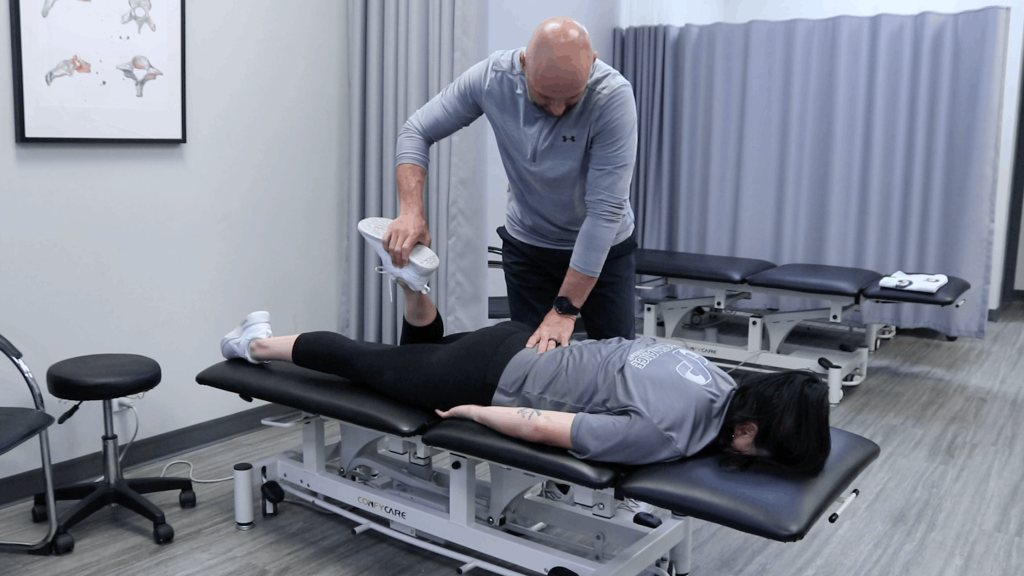
The process begins with a thorough assessment to identify the source of pain, functional limitations, and contributing factors. A treatment plan is then created that aligns clinical goals with PolicyMe benefit guidelines, including appropriate visit frequency and documented outcomes. Care may include manual therapy, therapeutic exercise, education, and activity modification, with progress tracked over time to support both recovery and insurance reporting.
Using extended health benefits can feel simple at first, but pain-related injuries often require ongoing care, clear documentation, and insurer-aligned treatment plans. When any of these pieces are missing or misunderstood, patients may face delays, denied claims, or interrupted recovery.
PolicyMe plans typically include physiotherapy under extended health benefits, but coverage limits, visit caps, and eligible treatment types can vary by policy. Without clear guidance, patients may assume all services are covered, only to discover partial reimbursement or exhausted benefits mid-treatment.
People in pain sometimes postpone physiotherapy while waiting to confirm coverage, which can allow stiffness, weakness, or compensatory movement patterns to worsen. Early, properly documented care often leads to better outcomes and fewer total visits.
Insurers usually require detailed clinical notes, diagnosis-related goals, and progress updates. If assessments or treatment rationales are vague, claims may be rejected even when the care itself was appropriate.
Choosing a low-cost or high-volume clinic just to “use benefits” can result in short sessions that do not address the root cause of pain. This increases the risk of recurring symptoms once benefits run out.
When physiotherapy is delivered with insurer requirements in mind, patients can focus on recovery instead of paperwork. The result is structured care that reduces pain, improves mobility and strength, and uses available PolicyMe benefits efficiently and transparently.

In most cases, PolicyMe does not require a physician referral for physiotherapy, though some plans may request one for extended or complex claims. It is always best to confirm your specific policy details before starting care.
Reimbursement depends on your individual plan, including annual maximums and per-visit limits. Clinics experienced with insurance-based care can help you understand how your sessions fit within those limits so there are no surprises.
If benefits are nearing their limit, treatment plans can be adjusted to focus on self-management strategies and home exercises. This helps maintain progress even if some sessions eventually become out-of-pocket.
People often ask about timelines, costs, and what to expect at the first visit. While pain relief can begin within a few sessions, recovery speed depends on the nature of the injury and consistency of care. Fees are typically set per session and paid upfront, with patients submitting receipts to PolicyMe for reimbursement. Coming prepared with your policy details and a brief history of your pain helps make the first appointment more efficient and effective.