

This service provides objective pre-injury concussion baseline testing for people in Edmonton who want clarity, safety, and confidence around head injuries that can cause lingering pain, headaches, neck stiffness, and neurological symptoms. By establishing accurate physical, cognitive, and balance benchmarks before an injury occurs, this assessment supports safer return-to-work, sport, or daily activity decisions if a concussion happens later. If you are managing pain risks from sport, work, or active living, baseline testing offers peace of mind and a clear next step.

The process begins with a detailed health history focused on prior head injuries, pain patterns, and neck issues. Standardized concussion screening tools are used alongside physical examination of the cervical spine, posture, eye movement, balance, and coordination. Testing is completed in a controlled environment to ensure consistency. Results are documented and securely stored so they can be referenced if an injury occurs, forming part of a coordinated care plan if further assessment or treatment is needed.
Baseline concussion testing is not about diagnosing an injury; it is about preventing prolonged pain and complications when an injury does occur. Without a personal reference point, post-concussion symptoms like neck pain, dizziness, or headaches can be harder to interpret and manage. Understanding the risks helps people make informed choices about their health and recovery.
Many people already have neck stiffness, headaches, visual strain, or balance issues before a concussion. If these are not documented in advance, post-injury assessments may incorrectly assume they are new, which can delay appropriate pain management and safe progression back to activity.
Relying only on symptom reporting after a head injury can lead to returning too early, especially for motivated athletes or workers. This increases the risk of persistent pain, repeat concussion, and longer recovery timelines because the nervous system has not fully stabilized.
Concussions frequently involve cervical spine strain, which contributes to headaches, shoulder pain, and dizziness. Without baseline physical measures, it becomes harder to separate brain-related symptoms from neck-related pain drivers, leading to incomplete care.
Generic or rushed baseline testing may lack standardized tools or repeatable conditions. Poor-quality baselines limit their usefulness later and can create false reassurance or unnecessary restriction after an injury.
A professionally administered baseline assessment provides clear reference data for balance, coordination, reaction time, and neck function. If a concussion occurs, comparisons are more precise, supporting safer return-to-work or sport decisions and reducing the likelihood of prolonged headaches, neck pain, or neurological symptoms.
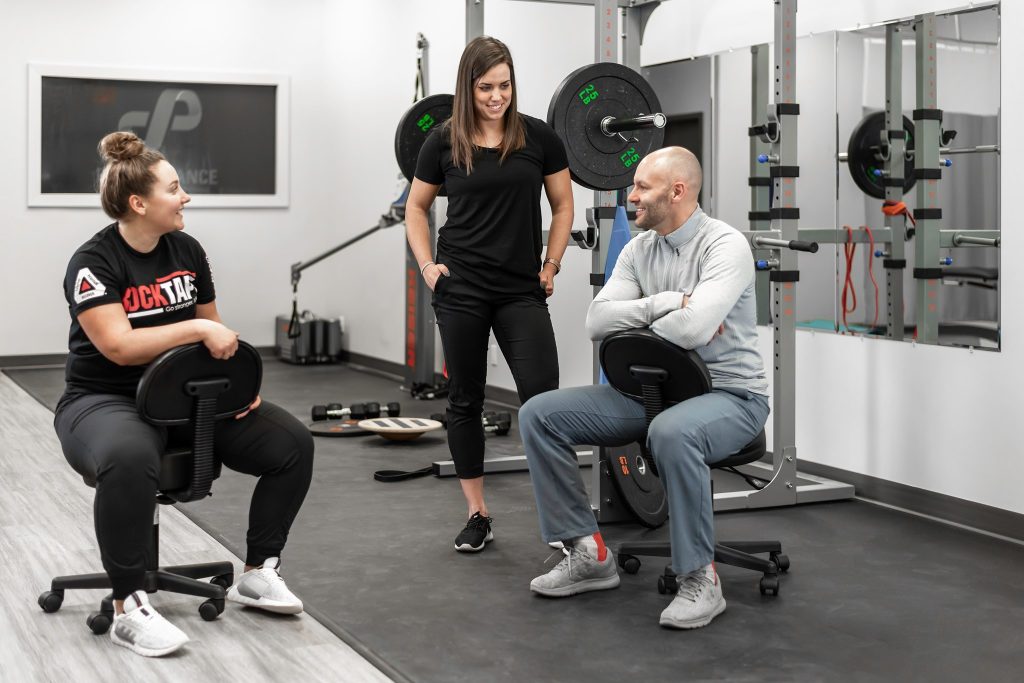
Baseline testing is useful for athletes, physically demanding workers, and anyone with a history of headaches, neck pain, or previous concussions. It is especially valuable if you participate in activities with a higher risk of falls or collisions.
Most baseline assessments take about 30 to 45 minutes. The testing is non-invasive and does not cause pain, though some balance or eye movement tasks may briefly reproduce mild symptoms such as lightheadedness in people with existing issues.
If pre-existing neck pain, balance deficits, or neurological symptoms are identified, these findings are explained clearly. This information can guide preventive care and ensures future post-injury comparisons are accurate rather than misleading.
Baseline concussion testing is typically a one-time assessment unless there are major health changes. Costs depend on the depth of testing and documentation required, and no referral is usually needed. The goal is not to limit activity but to protect long-term health by reducing the risk of unresolved pain and delayed recovery if a concussion occurs. Booking early, before an injury happens, ensures the data is reliable and ready when it matters most.