

Persistent dizziness can be frightening, disruptive, and often linked with neck pain, headaches, or balance problems that make daily life harder. This service is designed for people in Edmonton who are dealing with pain-related dizziness and want a careful, evidence-informed approach to identifying mechanical and neurological contributors. By assessing how the neck, joints, muscles, and nervous system interact with balance, care is focused on restoring stability and reducing discomfort so you can move with confidence again. If dizziness is limiting your work, driving, or quality of life, a professional assessment is a practical first step.
Dizziness is a broad symptom rather than a diagnosis, and when it occurs alongside pain, stiffness, or headaches, it may involve structures in the cervical spine and surrounding tissues. The upper neck contains joints, muscles, and sensory receptors that help the brain understand head position. When these systems are irritated or not working well together, the result can be unsteadiness, lightheadedness, or a sense that the room is moving, especially with head or body movement.
The small joints of the upper cervical spine play a key role in proprioception, which is the body’s awareness of position and movement. Injury, prolonged poor posture, or degenerative changes can alter joint motion and the signals sent to the brain. This mismatch between visual, inner ear, and neck input may trigger dizziness that is often accompanied by neck pain or reduced range of motion.
Chronic tightness in neck and shoulder muscles can affect blood flow, nerve sensitivity, and head movement control. Trigger points may refer pain to the head or behind the eyes and can worsen sensations of imbalance. Muscle-related dizziness often fluctuates with stress, posture, and activity levels.
Whiplash, sports injuries, or falls can disrupt normal movement patterns and sensory feedback long after tissues have healed. Even minor trauma may lead to lingering stiffness or coordination changes in the neck, increasing the likelihood of dizziness during everyday tasks.
Leaving dizziness unassessed can increase fall risk, limit driving, and lead to avoidance of activity, which may worsen stiffness and pain over time. While not all dizziness is spine-related, ruling in or out mechanical contributors helps ensure appropriate care and timely referral when needed.
Working with a qualified provider can help clarify whether your symptoms are influenced by neck and musculoskeletal factors and address them in a structured way. Benefits often include reduced neck pain, improved balance and head movement tolerance, fewer dizzy episodes, and greater confidence with work, exercise, and daily activities. Care also emphasizes education, so you understand your triggers and how to manage them safely.

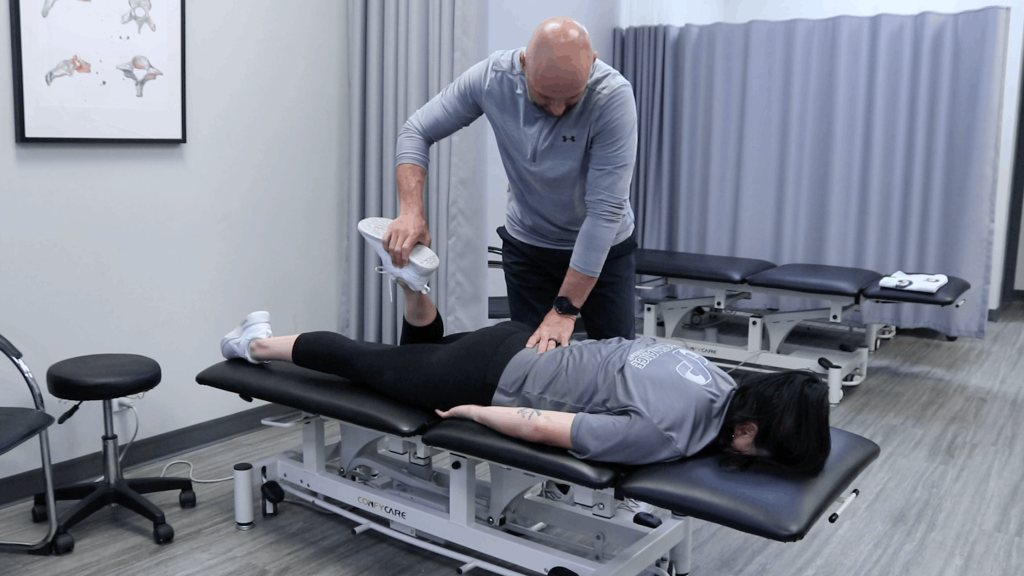
The process begins with a detailed history and examination to understand your symptoms, pain patterns, and any red flags that require medical referral. Assessment may include posture analysis, neck mobility testing, neurological screening, and balance or coordination checks. Treatment plans are individualized and can involve gentle joint mobilization or manipulation when appropriate, soft tissue techniques, guided exercises, and advice on posture and activity modification. Care is delivered progressively, with ongoing reassessment to ensure methods remain appropriate and evidence-informed.
Safety starts with proper assessment. A thorough examination helps determine whether your dizziness may be related to mechanical neck issues or if referral to another healthcare provider is needed. Techniques are selected based on your findings, health history, and tolerance.
Timelines vary depending on the cause, duration, and complexity of symptoms. Some people notice changes within a few visits, while longer-standing or injury-related cases may require a more gradual approach combined with home exercises.
Imaging is not always required for mechanical dizziness, but existing reports are reviewed when available. If findings suggest a non-musculoskeletal cause, you will be advised to seek further medical evaluation.
People often ask about cost, frequency, and whether this care can be combined with other treatments. Fees are typically based on assessment time and treatment complexity, and many plans benefit from an initial series of visits followed by reassessment. This approach can be coordinated with physiotherapy or medical care when appropriate, helping you make informed decisions about managing pain and dizziness safely.