

Recovering from a broken bone can leave you with lingering pain, stiffness, and loss of confidence in movement long after the cast or boot comes off. At Performance Chiropractic + Physiotherapy in Edmonton, this service focuses on safe, medically informed care for people who have had a fracture and are cleared to begin rehabilitation, helping reduce pain, restore mobility, and support a confident return to daily activities—book a consultation to see if this approach fits your recovery stage.

Care begins with a detailed history and physical examination, including review of imaging reports and medical clearance. Treatment plans may include gentle manual therapy to joints and soft tissues away from the fracture site, controlled mobilization where appropriate, therapeutic exercises, and education on load management. Techniques are selected conservatively and adjusted as healing progresses, following current clinical guidelines and respecting tissue healing timelines.
Even when a bone has healed on imaging, many people continue to experience pain, weakness, or limited movement. This often relates to joint stiffness, muscle deconditioning, altered movement patterns, and nervous system sensitivity that develop during immobilization and reduced activity. Understanding these factors is essential before hands-on care is considered.
Casts, splints, and boots protect the bone but restrict joint motion and muscle activity. Over weeks, this can reduce joint lubrication, shorten soft tissues, and decrease strength, leading to pain when normal movement resumes.
After a fracture, people unconsciously shift how they move to protect the injured area. This compensation can overload neighbouring joints and tissues, creating new pain points that persist even after the fracture itself has healed.
Trying to “push through” pain or relying only on rest can slow recovery. Without appropriate assessment and graded loading, stiffness and weakness may become chronic, increasing the risk of re-injury or long-term limitation.
This type of care is not intended for acute or unstable fractures. Treatment is only considered after medical diagnosis, appropriate healing time, and clearance from a physician or specialist, ensuring safety remains the priority.
Working with a clinician experienced in post-fracture care can help reduce pain, improve joint motion, and rebuild confidence in movement. The goal is not to treat the break itself, but to address the mechanical and neuromuscular issues that commonly remain, supporting a smoother return to work, sport, and daily life.
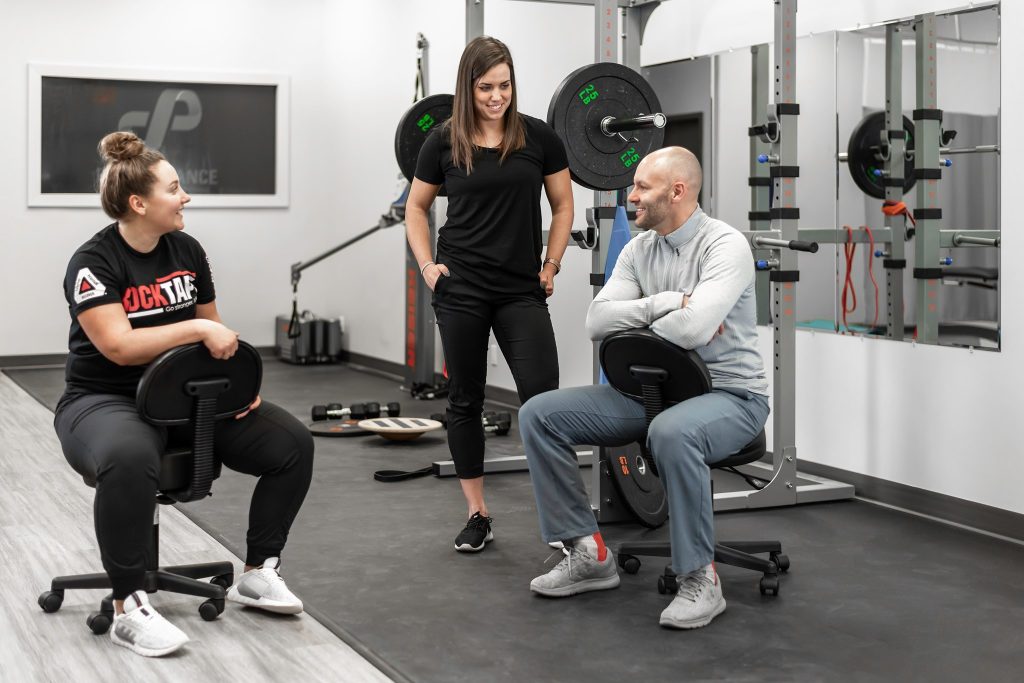
No. Chiropractors do not set or heal fractures. This service is focused on post-fracture rehabilitation once the bone has healed sufficiently and a medical professional has cleared you for conservative care.
Timing depends on the type and location of the fracture, how it was treated, and your healing progress. Some people begin shortly after immobilization ends, while others start later; coordination with your physician helps determine the right time.
Some discomfort is common during recovery. Care is adapted to your tolerance and healing stage, avoiding high-force techniques and focusing on gradual, controlled progress.
Most people want to know about timelines, costs, and whether this care will help their specific injury. Recovery length varies widely based on fracture severity, overall health, and consistency with rehabilitation. Fees generally reflect assessment time and treatment complexity, and no referral is required, though medical clearance is essential. An initial visit focuses on understanding your history, current limitations, and goals so expectations are clear from the start.