

This service helps people in Edmonton who are dealing with pain, stiffness, or recurring injuries understand how their body actually moves and where it is breaking down. A functional movement screen led by a chiropractor looks beyond the painful area to identify movement restrictions, asymmetries, and compensations that often drive ongoing discomfort. By uncovering the root mechanical issues instead of guessing, this approach supports safer treatment decisions, clearer next steps, and more confident recovery. Book an assessment to get clarity on what your movement patterns are telling you.

The process begins with a health history and discussion of current pain, injuries, and daily demands. A standardized functional movement screen is then performed, observing tasks such as squatting, stepping, reaching, and stability challenges. The chiropractor analyzes movement quality, control, and symmetry, often using scoring criteria and clinical observation. Findings are explained in plain language and used to guide recommendations, which may include manual therapy, corrective exercises, or referrals as appropriate.
Pain is often the final signal of a deeper movement problem. When joints, muscles, or the nervous system are not coordinating efficiently, the body compensates in ways that increase strain. A structured screen allows a clinician to identify these patterns early, before they lead to more serious injury or chronic pain.
Limited mobility in the hips, spine, or shoulders can force other areas to overwork during everyday tasks. Over time, this added load increases tissue stress, inflammation, and sensitivity, which may explain why pain returns even after rest or isolated treatment.
When one side of the body moves differently than the other, forces are distributed unevenly. This imbalance can affect the knees, lower back, neck, or shoulders and raise the likelihood of strains or flare-ups, especially during work, exercise, or sport.
Focusing only on the painful spot can miss the true driver of symptoms. Without a movement-based assessment, care may provide temporary relief but fail to address why the issue developed, increasing the chance of recurrence.
Poor movement patterns can gradually reduce stability, coordination, and confidence in your body. Left unaddressed, this may limit activity levels, slow recovery, and contribute to long-term joint stress or degenerative changes.
Working with a trained professional allows movement findings to be directly linked to spinal health, joint mechanics, and nervous system function. The outcome is a clearer understanding of what is safe to load, what needs mobility or stability work, and how care can be tailored to reduce pain while restoring efficient movement.
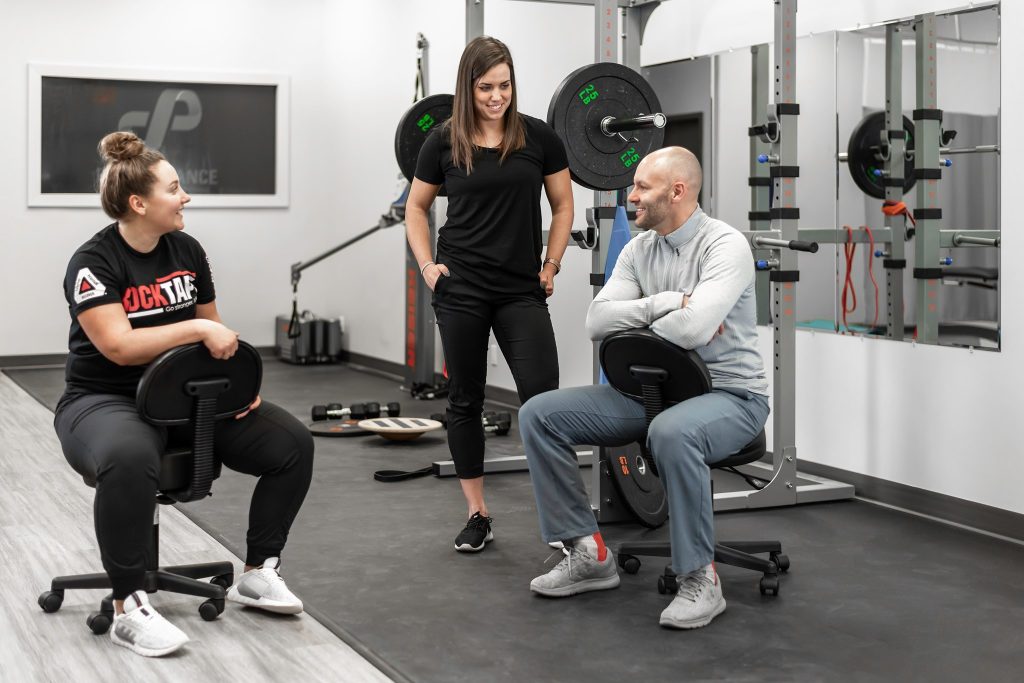
Most screenings take about 30 to 45 minutes, depending on complexity and discussion time. This allows for thorough observation without rushing, and time to explain results and next steps.
No. While movement screens are common in sport, they are equally valuable for people with everyday pain related to work, posture, or past injuries. The tasks are adjusted to match your abilities and comfort level.
The movements are designed to be safe and controlled. You are not asked to push through sharp pain, and the chiropractor will modify or stop any movement that causes discomfort.
Many people wonder whether they need imaging, a referral, or a confirmed diagnosis before booking; in most cases, you can book directly and imaging is only suggested if clinically necessary. Costs are typically based on assessment time and professional expertise rather than per-test fees, and timelines vary depending on findings and goals. Expect clear explanations, honest recommendations, and collaborative planning focused on helping you move with less pain and more confidence.