


This service begins with a detailed history and physical examination, followed by observational and, when appropriate, video-based gait analysis to assess walking mechanics. Care may include manual joint therapy, soft tissue techniques, targeted corrective exercises, and education on movement habits and footwear considerations. Treatment plans are individualized and adjusted based on response, with progress monitored over time to ensure changes in gait translate into reduced pain and improved function.
Gait disorders occur when the body’s walking pattern becomes inefficient or compensatory, often leading to pain that worsens with daily activity. Even small deviations in how the feet strike the ground or how the hips and spine coordinate can increase stress on joints and soft tissues. Over time, these abnormal forces can cause persistent discomfort, limit mobility, and interfere with work, exercise, and basic tasks like standing or climbing stairs.
Restricted motion in the ankles, knees, hips, or spine can force the body to adapt during each step. When joints do not move through their intended ranges, muscles must work harder and neighbouring joints absorb extra load, which commonly results in pain in the lower back, hips, knees, or feet. Without addressing these restrictions, gait-related pain often returns despite rest or temporary treatments.
Walking relies on precise timing between muscle groups to stabilize and propel the body. Weakness, tightness, or delayed activation in key muscles such as the glutes or calves can disrupt this timing and lead to overuse injuries. These imbalances are a frequent contributor to ongoing pain because they are not always obvious without a professional gait assessment.
Previous sprains, fractures, or surgeries can permanently alter how someone walks if not fully rehabilitated. The body may continue to protect an old injury long after tissues have healed, creating compensations that strain other areas. This is why pain may appear far from the original injury site, such as hip or back pain years after an ankle injury.
Untreated gait disorders can gradually worsen, increasing the risk of joint degeneration, chronic pain, and reduced physical capacity. As walking becomes more uncomfortable, people often reduce activity levels, which can negatively affect overall health, strength, and balance. Early, targeted care helps reduce these long-term risks.
Working with a qualified provider for gait-related issues can lead to measurable improvements in comfort, walking efficiency, and daily function. By addressing the mechanical causes of pain, care aims to reduce stress on irritated tissues, improve joint motion, and restore balanced movement patterns. Many patients notice not only less pain, but also better endurance and confidence with everyday activities.
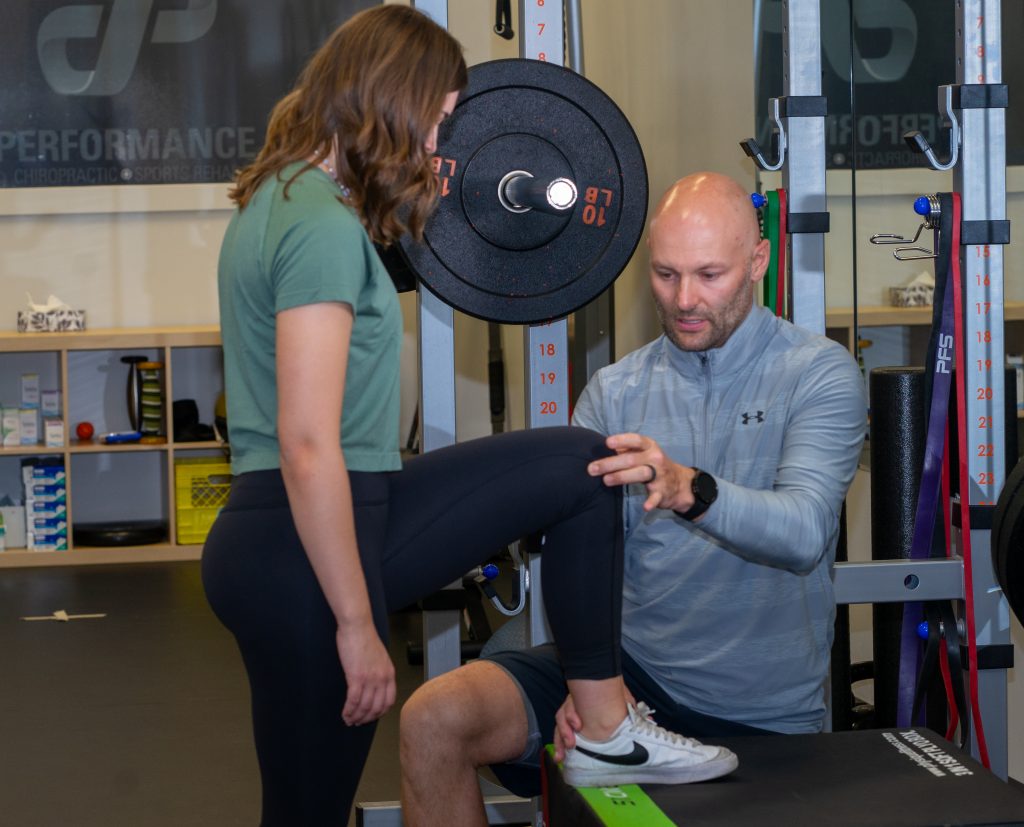
Appointments focus on understanding how your body moves and why pain occurs during walking or standing. Costs depend on the assessment and care plan required, and many extended health plans offer coverage for this type of service. You can expect clear explanations, collaborative goal setting, and care designed to fit safely into your daily life in Edmonton.