

If you are living in Edmonton with osteoporosis-related pain or stiffness, this service focuses on helping you move more comfortably while respecting the realities of reduced bone density. Care is designed for people who want relief without unnecessary risk, using conservative, evidence-informed chiropractic approaches tailored to fragile bones and everyday function, with guidance that supports confidence in movement and long-term spinal health.

The process begins with a detailed health history, review of imaging or bone density reports when available, and a physical examination focused on posture, movement, and neurological function. Techniques may include gentle mobilizations, instrument-assisted methods, soft tissue therapy, and coordination with rehabilitative exercises, all aligned with current clinical guidelines that emphasize safety, gradual loading, and fall prevention.
Osteoporosis changes how bones tolerate load, which can quietly alter posture, joint mechanics, and muscle tension long before a fracture occurs. These changes often lead to persistent back, neck, or hip discomfort that does not respond well to generic exercise or self-treatment, especially when fear of injury limits movement.
Lower bone mineral density means vertebrae and other skeletal structures are less able to absorb stress, increasing the likelihood of compression changes and joint irritation. Even small shifts in alignment can strain surrounding muscles and ligaments, contributing to chronic pain and stiffness that interferes with daily activities.
Traditional forceful spinal adjustments may not be appropriate when bones are fragile, as excessive loading can increase fracture risk. This makes condition-specific assessment essential, ensuring that any manual care respects safe force thresholds and avoids techniques that could compromise skeletal integrity.
Many people with osteoporosis reduce activity because they fear falling or breaking a bone, but prolonged inactivity weakens muscles and balance. This cycle can increase pain sensitivity and instability, making professional guidance important to restore safe, confident movement.
Without appropriate care, postural changes and muscle guarding may progress, raising the risk of falls, reduced lung capacity from spinal flexion, and further loss of independence. Early, tailored intervention can help manage pain while supporting safer movement patterns.
Working with a practitioner experienced in low-force spinal care can help reduce pain, improve joint mobility within safe limits, and support better posture. Outcomes often include easier movement during daily tasks, improved balance awareness, and greater confidence to stay active while respecting bone health.
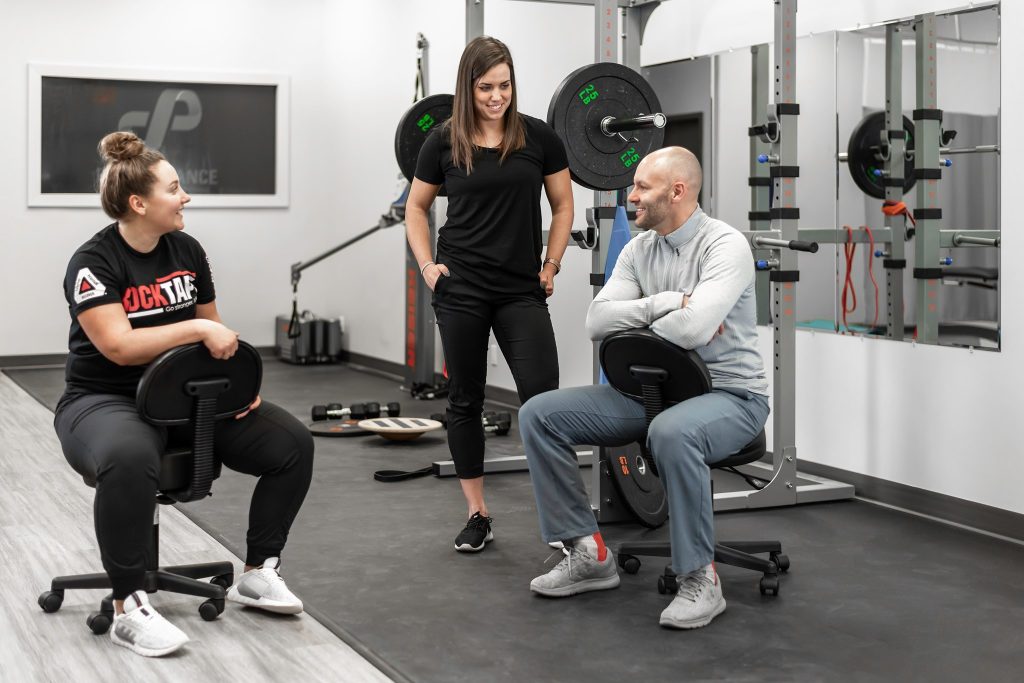
Care for people with low bone density typically avoids high-velocity, high-force techniques. Instead, practitioners use low-force or non-thrust methods chosen to minimize stress on bones while still addressing joint and muscle contributors to pain.
A formal diagnosis or recent bone density scan is helpful but not always required to begin conservative care. If osteoporosis is suspected, treatment approaches are adapted cautiously, and you may be encouraged to coordinate with your primary healthcare provider.
Timelines vary based on pain severity, overall health, and activity level. Some people notice reduced discomfort or stiffness within a few visits, while others benefit from a gradual plan focused on steady functional gains and long-term management.
People often ask about cost, visit frequency, and whether chiropractic care replaces medical treatment. Fees generally reflect assessment time and individualized care rather than a one-size approach, and chiropractic support works best alongside medical management, nutrition, and appropriate exercise. If pain is limiting your daily life, a consultation can help clarify whether this approach fits your needs and goals.