

If you are living in Edmonton and dealing with persistent hip, back, or walking pain after a partial hip replacement, this service focuses on restoring comfort, movement, and confidence through careful, post-surgical chiropractic care. The goal is to address pain that lingers despite surgery by improving joint mechanics, muscle balance, and nervous system coordination, all while respecting surgical precautions and your recovery timeline. Care is adapted to your stage of healing and delivered with a clear focus on safety, function, and long-term relief, helping you return to daily activities with less discomfort and more control.

The process begins with a thorough review of your surgical history, current symptoms, and any instructions from your surgeon or physiotherapist. Care focuses on gentle, low-force techniques, soft tissue therapy, and precise joint mobilization to areas that influence hip function, such as the pelvis and lumbar spine. Movement retraining, corrective exercises, and education on posture and activity pacing are integrated using evidence-informed methods and standard clinical assessment tools to ensure care remains appropriate for your stage of healing.
Although partial hip replacement is designed to reduce joint pain, it does not automatically restore normal movement patterns or muscle coordination. Surgery alters joint surfaces, soft tissues, and how forces travel through the pelvis and spine. Without targeted rehabilitation, these changes can contribute to ongoing pain, stiffness, or instability that limits walking, standing, and sleep.
A partial hip replacement changes how the hip loads during movement, which can shift stress to the lower back, sacroiliac joints, and opposite hip. If these compensations are not addressed, patients may experience secondary pain that feels unrelated to the surgical site but is mechanically connected.
Following surgery, muscles around the hip and pelvis often become inhibited or weak, particularly the gluteal muscles. This weakness reduces joint support and can cause overuse of other muscles, leading to aching, fatigue, and a sense that the hip never fully recovered.
Healing tissues can form adhesions that restrict normal joint glide and muscle length. When stiffness persists, everyday tasks like getting in and out of a car or climbing stairs may provoke pain, even months after surgery.
If pain and altered movement continue unchecked, the nervous system can become sensitized, making discomfort more persistent and harder to resolve. Early, appropriate post-operative care helps reduce the risk of pain becoming chronic.
Working with a chiropractor experienced in post-surgical care can help reduce pain, improve mobility, and restore balanced movement. Patients often notice easier walking, better tolerance for activity, and reduced reliance on pain medication as joint function and muscle coordination improve in a controlled, progressive manner.
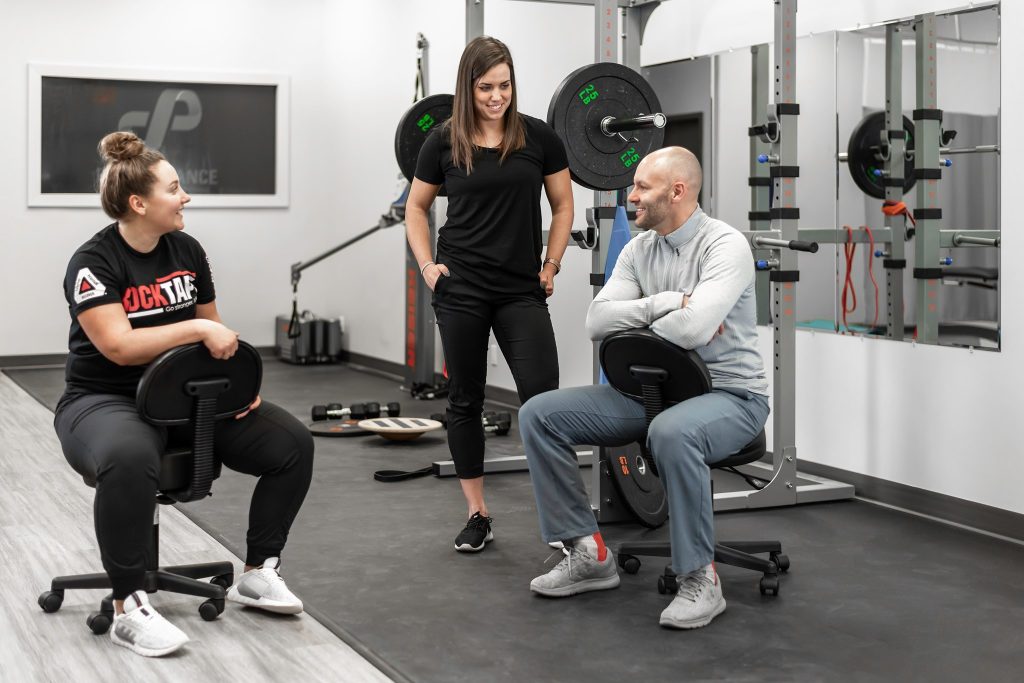
When care is tailored to your surgical status and recovery phase, chiropractic treatment can be safe and beneficial. Techniques are modified to avoid stress on the replaced joint, and care is coordinated with your overall rehabilitation plan.
The appropriate timing depends on your surgeon’s guidance, healing progress, and current symptoms. Some people begin once initial healing is complete, while others seek care later when pain or stiffness persists.
This service is designed to complement, not replace, other rehabilitation approaches. Chiropractic care often works alongside physiotherapy and medical follow-up to address joint mechanics and nervous system factors that influence pain.
People often wonder about cost, duration, and results. The number of visits varies based on your condition, goals, and response to care, with progress reviewed regularly. Treatment plans are explained clearly so you know what to expect, and care is adjusted if symptoms change. This service is suited for those seeking professional support to reduce pain, improve movement, and feel more confident in their recovery rather than attempting self-management that may overlook underlying mechanical issues.