

This service focuses on helping people in Edmonton who are living with pain caused or worsened by poor posture, muscle imbalance, and spinal strain from daily activities, work, or previous injuries. By addressing how your body aligns and moves, care is aimed at reducing ongoing discomfort, restoring balance, and helping you move with less effort and irritation, with a practical plan tailored to your situation and a clear next step toward relief.
Postural imbalance occurs when certain muscles, joints, and connective tissues are overloaded while others become underused, leading to inefficient movement and persistent stress on the body. Over time, this imbalance can contribute to neck pain, back pain, headaches, and joint irritation that do not resolve with rest alone, especially when daily habits continue to reinforce the problem.
Long hours at desks, computers, or mobile devices commonly encourage forward head posture, rounded shoulders, and reduced spinal mobility. These positions increase strain on the cervical and thoracic spine, often triggering muscle tension and pain that can spread into the shoulders, upper back, and arms.
Old injuries, even those that seemed to heal, can change how you move and load your joints. When the body compensates to protect a sensitive area, other regions may become overworked, gradually creating asymmetry and discomfort that feels unrelated to the original injury.
When some muscles become tight and others weaken, joints may lose their normal range of motion. Restricted joints and uneven muscle tension can interfere with posture control, increasing the risk of recurring pain during everyday tasks such as walking, lifting, or sitting.
Ignoring postural imbalance can allow minor pain to become chronic and may increase wear on spinal joints and surrounding tissues. Over time, this can limit activity levels, reduce tolerance for work or exercise, and make recovery more complex.
Care focused on correcting posture can reduce unnecessary strain on the spine and supporting muscles, leading to more comfortable movement and improved tolerance for daily activities. Many people notice better body awareness, easier posture maintenance, and a reduction in recurring pain patterns.

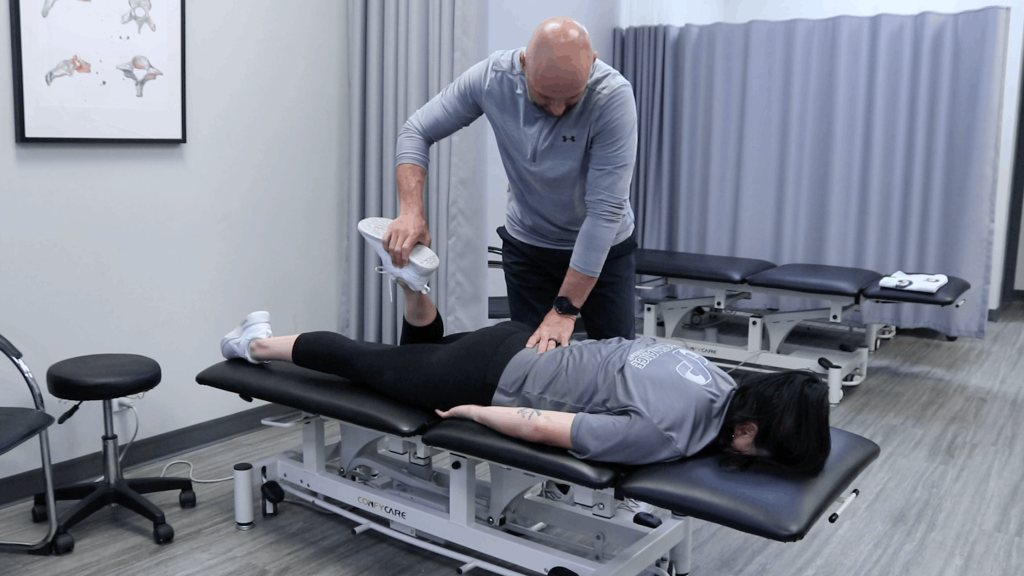
The process begins with a detailed assessment of posture, movement patterns, and spinal joint function to identify contributing factors. Treatment may include manual adjustments, joint mobilization, soft tissue techniques, and guided corrective exercises, all chosen based on current findings. Progress is monitored over time, and care is adjusted to support safe, gradual improvement while aligning with established chiropractic and musculoskeletal care standards.
Timelines vary depending on the severity of imbalance, how long symptoms have been present, and how consistently recommendations are followed. Some people notice changes within a few visits, while others require a longer period of structured care to achieve stable improvement.
Care can be adapted for people experiencing mild to significant pain, with techniques selected to respect tissue sensitivity and current tolerance. The focus is on reducing irritation while gradually restoring balance rather than forcing rapid correction.
In many cases, a thorough clinical assessment is sufficient to begin care. If findings suggest the need for imaging or collaboration with another health professional, this will be discussed as part of the process.
People often want to know about visit frequency, costs, and whether exercises or lifestyle changes are required. Care plans are typically based on clinical need rather than fixed packages, and simple posture or movement strategies are often recommended to support in-clinic treatment. Understanding that improvement depends on both professional care and daily habits helps set realistic expectations and supports lasting results.